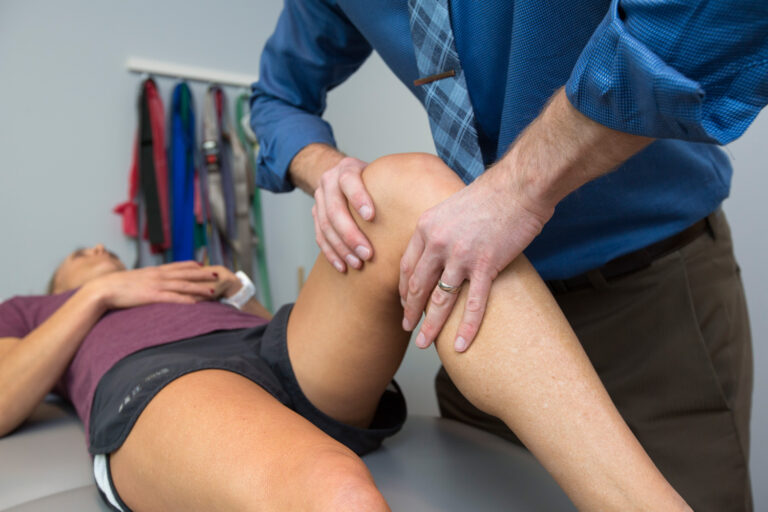
High-quality ACL rehabilitation should be criterion-based, not time-based. Most people recovering from ACL surgery are told they’ll return to sport in 6–9 months. While healing timelines matter, time alone does not determine readiness. Two people at the same point on the calendar can have completely different strength, movement quality, and confidence. When ACL rehab is based mainly on weeks and months instead of function, athletes are often cleared before their knee is truly prepared.
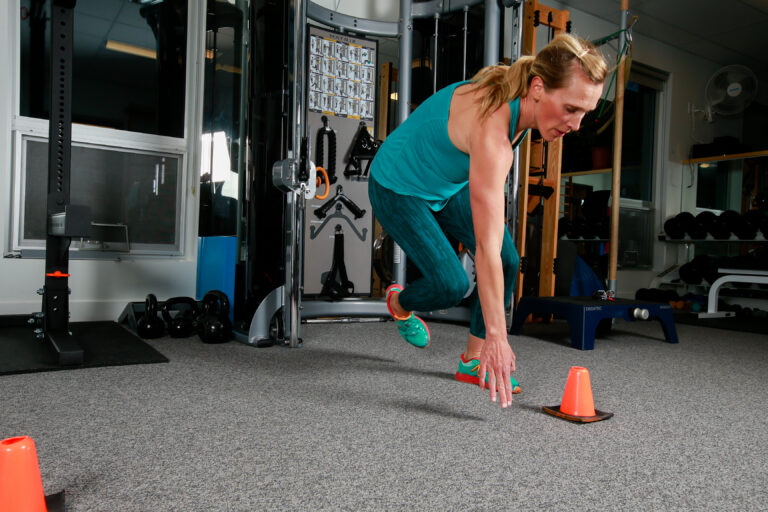
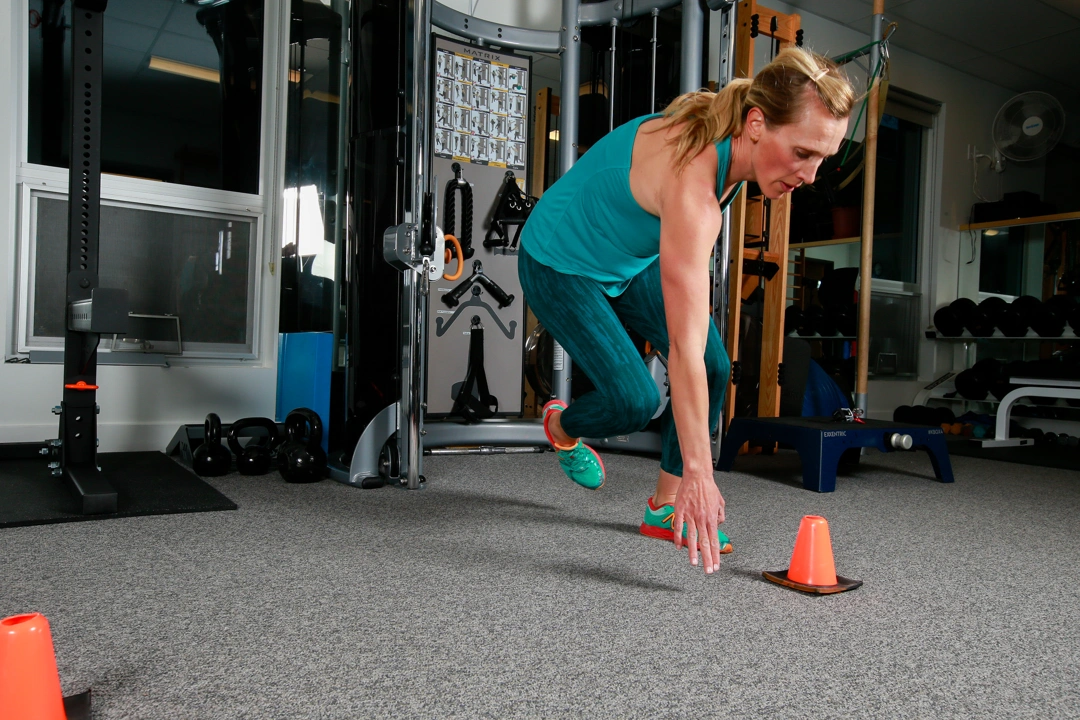
The biggest issue is that many rehab programs stop once basic strength returns. But ACL injuries don’t happen during controlled exercises – they happen during jumping, cutting, and sudden changes of direction. Strength is the foundation, not the finish line. If rehab never progresses to sport-like movement, the knee is underprepared, even if it feels “strong.”
High-quality ACL rehab should be criterion-based, not time-based. That means progression depends on how well you move, not how long it’s been since surgery. Early rehab focuses on restoring motion and control, mid-stage rehab builds single-leg strength and power, and late-stage rehab prepares the knee for high-speed, reactive, and lateral movement. Return-to-sport testing is essential, and without it, decisions are based on guesswork.
The goal of ACL rehab isn’t just to get cleared, it’s to return with confidence and resilience. That confidence isn’t mental; it’s earned through progressive exposure to real sport demands. When rehab addresses those demands, athletes come back better prepared to stay healthy and with improved resilience and longevity.
Click Here to schedule your next appointment with the experts at MEND