Our nervous system is excellent at notifying us to a painful (noxious) stimulus in acute situations such as touching a hot stove or stepping on a lego. Under normal conditions as the painful stimulus resolves due to avoiding the behavior or tissue healing pain is no longer represented in the brain. For reasons we don’t completely understand up to 1 in 5 patients will report chronic pain symptoms from tissue areas that have healed. Pain in these conditions is most often multifactorial from both physical and mental
In addition, other patients may experience chronic symptoms due to repeated painful stimuli from an extended tissue healing time frame. Tendons, due in part to their limited blood flow, often take longer to heal than other tissues in the musculoskeletal system. In addition, they often create more symptoms due to an in growth of blood vessels and nervous system tissue during their healing process.
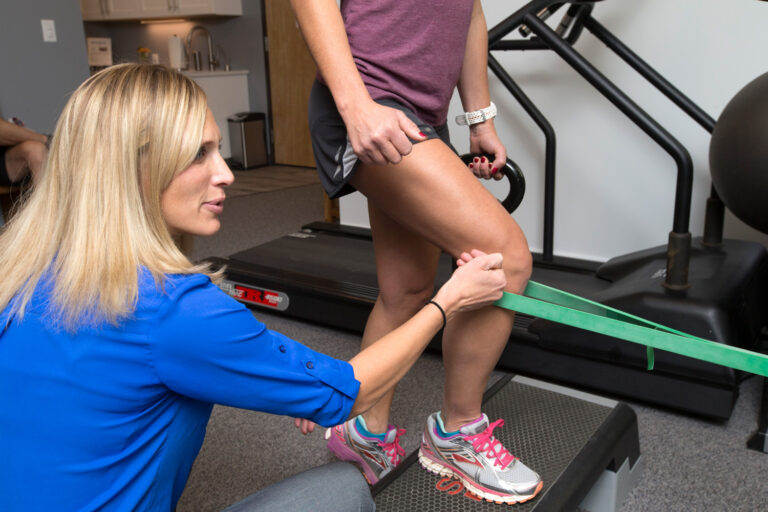
Without proper Physical Therapy management acute tendinitis conditions can lead to chronic tendinopathy. Patients with chronic tendon pain often present with a multifactorial presentation representing both the healing tissue and changes in the nervous system associated with their chronic symptoms. Their nervous systems may be more sensitive to stimuli such as loading and also display a greater symptom response to a normal tissue stimuli compared to their peers without chronic symptoms. A recent review of the literature reported on other mental and emotional health factors associated with the condition
Mest and colleagues published their systematic review on the psychological factors associated with chronic tendon pain (JOSPT. 2025). Researchers included 21 studies of over 2,000 participants with tendinopathy. The most common psychological factor associated with chronic tendon pain was pain catastrophizing. This condition includes having negative thoughts (often exaggerated) about an injury, ruminating about current symptoms, and feeling lower self efficacy toward improving the symptoms. This study highlights the importance of treating not only the physical, but also psychological symptoms associated with chronic injuries.
Click Here to schedule your next appointment with the experts at MEND