Sciatica is an umbrella term for leg symptoms, pain, numbness, or tingling, caused by irritation or compression of a nerve root as it exits the spine. Most cases resolve with conservative care, and in our Boulder and Lafayette clinics, that usually means a combination of focused exercise, dry needling, and manual therapy.
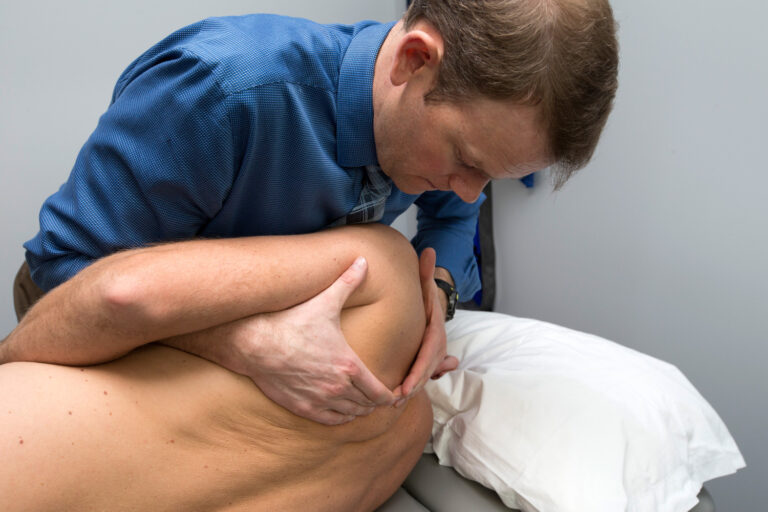
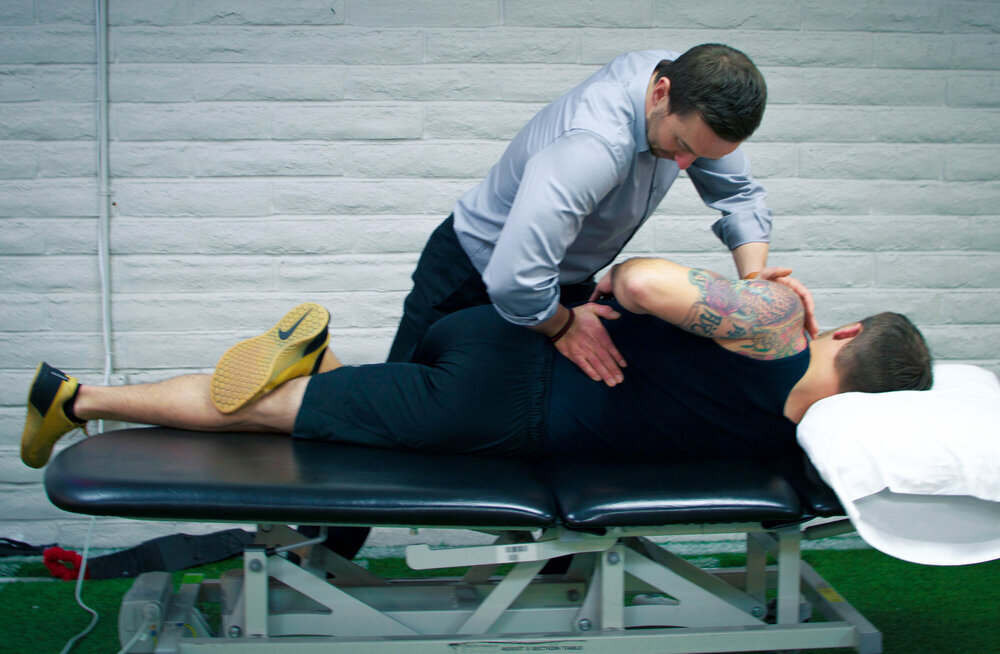
Spinal manipulation is one of the hands-on techniques in that mix, and it’s the one with the most recent research behind it, along with the clearest limits on what that research actually shows.
What the Evidence Shows
Giovannico and colleagues published a systematic review and meta-analysis on high-velocity, low-amplitude thrust manipulation for radiculopathy in the Journal of Orthopaedic & Sports Physical Therapy (2025), covering both cervical and lumbar cases. Manipulation reduced pain and disability in the short and medium term compared to sham manipulation, physical therapy without manipulation, and mobilization alone.
Two limits are worth knowing before this becomes the reason you seek out manipulation specifically. First, manipulation didn’t outperform mobilization combined with neural glide exercises, so if your therapist reaches for that combination instead, it isn’t a lesser option. Second, the short and medium-term benefit didn’t hold up at longer-term follow-up. The review’s authors also rated the overall risk of bias across the included trials as high, with the certainty of the evidence ranging from very low to moderate depending on the outcome. A published response has since raised further questions about how the review’s findings should be interpreted clinically, so we’re treating these results as a reasonable starting point rather than a settled answer.
A Closer Look at One Trial
For a more specific picture of what manipulation adds to standard care, Ghasabmahaleh and colleagues ran a randomized controlled trial in the American Journal of Medicine (2020). Forty-four patients with one-sided radicular low back pain lasting more than four weeks were split into a group that received physical therapy plus three sessions of spinal manipulation and a group that received physical therapy alone.
Both groups improved on pain. But only the manipulation group improved significantly on disability scores and the straight-leg raise test, and between-group comparisons favored manipulation across the board, with the advantage still present at the three-month follow-up.
How We Use This at Mend
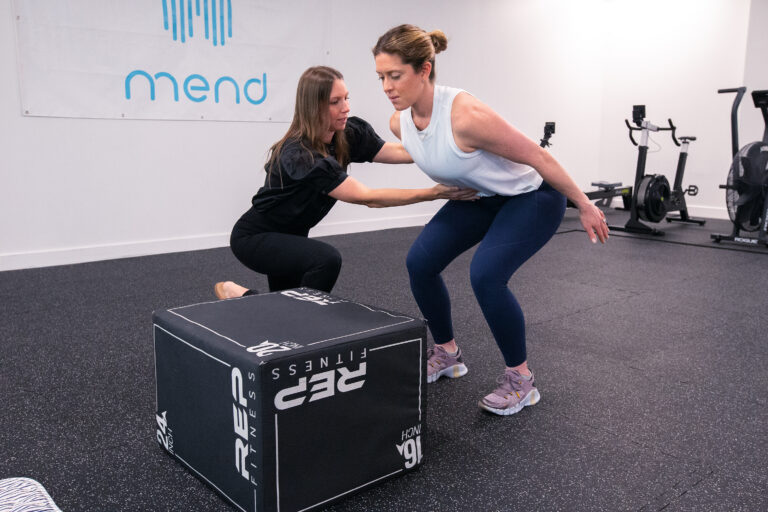
Manipulation earns a place in a sciatica treatment plan when it helps a patient tolerate movement sooner, not as a treatment on its own. Once symptoms are calm enough to load the spine and legs, progress shifts to the exercise program that keeps results from fading, since neither of the studies above followed patients long enough to say manipulation’s benefit lasts without one.
If your symptoms are centered in the low back rather than radiating into the leg, our articles on spinal manipulation for low back pain and best treatments for low back pain cover that evidence directly. You can also browse our nerve pain library and back and spine library for more.
If leg pain, numbness, or tingling has lasted more than a few weeks, an evaluation will tell you whether manipulation fits your case. Schedule an appointment at our Boulder or Lafayette clinic.