
If you’ve been told your sacroiliac (SI) joint is “out of alignment” based on a clinician feeling for bony landmarks on your pelvis, that finding is on shakier ground than most patients realize. Static palpation and motion-based SI testing have been studied since the 1980s, and the reliability numbers are bad enough that flipping a coin would do about as well.
The Problem With Static Palpation
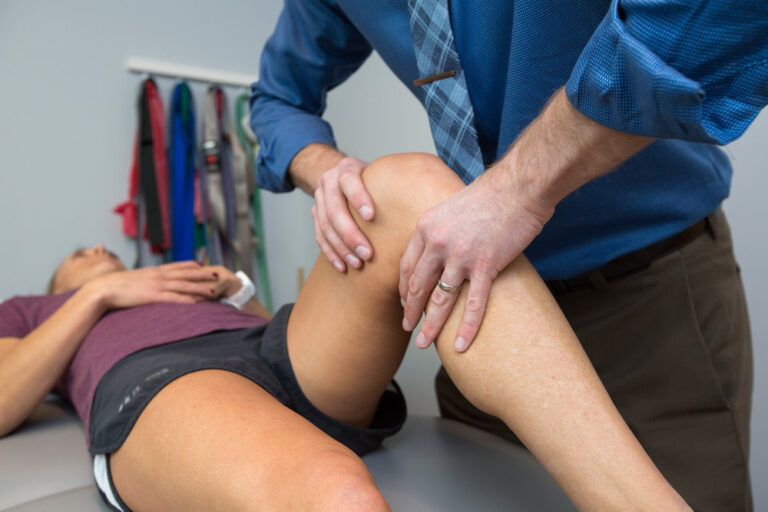
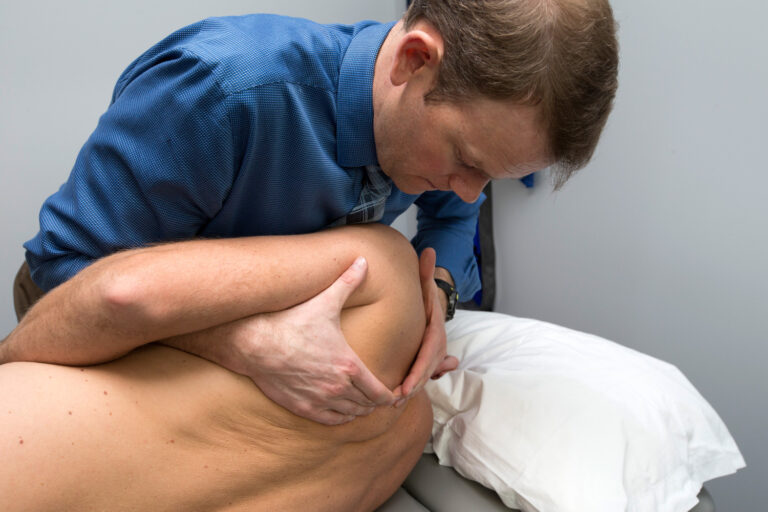
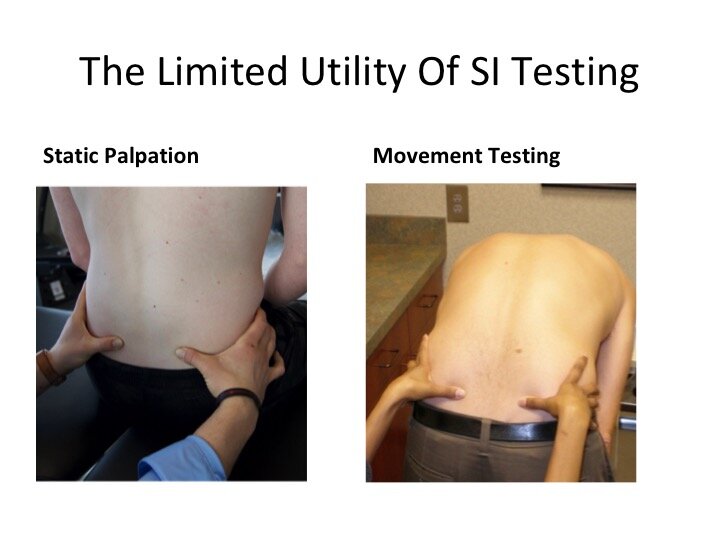
Physical therapists aim to use clinical, objective tests to confirm their evolving hypotheses about the source of a patient’s symptoms. One of the most useful contributions of PT and orthopedic research has been confirming, or refuting, whether commonly used clinical tests can actually identify a given diagnosis, whether that’s an ACL tear or SI joint dysfunction. Some areas of practice are slow to change, whether from clinician bias, financial incentive tied to continuing education courses, or a simple lack of exposure to current research. One of the clearest examples is the continued use of static palpation of pelvic bony landmarks, like the ASIS, PSIS, and iliac crest, to diagnose SI joint dysfunction.
Since the 1980s, agreement between clinicians palpating these landmarks has fallen below 50% reliability. That’s a strikingly poor result given that clinicians were typically offered only two or three choices (high, low, or level) to begin with.
Motion Testing Doesn’t Fare Any Better
Dynamic movement tests haven’t held up any better than static palpation. Standing flexion, seated flexion, the long sit (or “yo-yo”) test, and the prone knee test have also fallen below 50% tester reliability since the 1980s. Some studies have found clinicians struggling to agree even with their own prior findings on repeat testing. By the 1990s, researchers had begun questioning whether these tests could reliably identify or rule out SI joint pain at all, and the evidence since has consistently pointed to poor diagnostic utility.
Despite an average incidence of SI joint dysfunction of just 13% among low back pain patients, these unreliable tests are still in regular use. It’s worth asking, in 3 Things You Should Know About the SI Joint, how many patients have been misdiagnosed as a result.
What Actually Works: Provocation Test Clusters
Old habits die hard, and that’s true of how clinicians use SI static and dynamic tests. The better-supported approach is a cluster of provocation tests, as described by researchers including Laslett and Van der Wurff, rather than any single static or motion-based test in isolation. Provocation clusters ask you to reproduce your pain under specific loaded positions, and looking at several of these together gives a far more accurate read than palpating a bony landmark ever could.
Patients are encouraged to advocate for themselves here. If a clinician’s SI diagnosis rests solely on static palpation or a single motion test, that’s worth a second opinion.
How to Palpate the Sacroiliac Joint: What the Evidence Actually Supports
Not reliably. Studies dating back to the 1980s show clinician agreement on palpating landmarks like the ASIS, PSIS, and iliac crest falls below 50%, even when clinicians were only choosing between two or three options.
A cluster of provocation tests, such as those described by Laslett and Van der Wurff, that reproduce your pain under specific loaded positions. Combining several of these tests gives a far more reliable read than any single palpation or motion test.
No. SI joint pain is real and treatable — the issue is with the outdated diagnostic tests still used to identify it, not with the diagnosis itself. Once it’s properly identified with provocation clusters, manual therapy and exercise are well-supported treatments.
If you’ve been diagnosed with SI joint dysfunction based on palpation alone, or you’re dealing with one-sided low back or buttock pain that hasn’t been properly worked up, an SI-specific evaluation using current best-practice testing is the right next step. Book an SI joint evaluation at Mend’s Boulder or Lafayette clinic.
Browse more of our sacroiliac joint pain coverage, or see our full Orthopedic Care library for related conditions.