Pain around or behind the kneecap that flares on stairs, squats, running, or long stretches of sitting is usually patellofemoral pain (PFP). It is common, with a 2018 meta-analysis in PLOS ONE putting annual prevalence in the general population at 22.7%, and it has a reputation for lingering. Current guidelines are clear about where treatment starts: exercise, with a short list of add-ons that each have a limited role.
How patellofemoral pain is diagnosed
PFP is a diagnosis made from your history and exam. The pain sits in front of the knee, around or behind the kneecap, and it comes on when the bent knee is loaded: stairs, squatting, running, cycling, or sitting with the knees flexed. The 2019 clinical practice guideline from the APTA Orthopaedic Section, published in JOSPT, supports using the patellar tilt test when it shows reduced kneecap mobility, and states that imaging such as knee MRI is not helpful for identifying PFP.
Part of the exam is ruling other things out: a tendon problem, a meniscus or ligament injury, arthritis, or pain referred from the hip or spine. If you are over 50 and the pain is deeper in the joint, knee arthritis is the more likely explanation.
Exercise is the first treatment
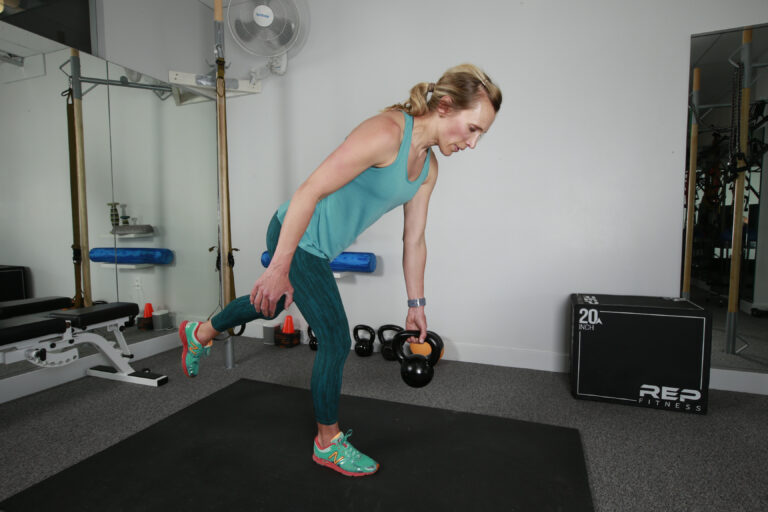
The 2019 guideline recommends an exercise approach that targets both the hip and the knee, and it allows hip-targeted exercise to come first in the early stages. A 2022 systematic review with meta-analysis in JOSPT by Neal and colleagues pooled 65 randomized trials. Knee-targeted exercise beat sham, placebo, or wait-and-see care for short-term pain and function, and hip-and-knee exercise did better than knee-targeted exercise alone at three months.
Guidance on emphasis is not uniform. A 2024 best practice guide in the British Journal of Sports Medicine, written by the same group and built from a systematic review, patient interviews, and expert reasoning, recommends knee-targeted exercise with or without hip-targeted exercise, underpinned by education, and treats foot orthoses, manual therapy, and movement retraining as supporting options. We assess before we choose: how your knee handles a squat and a step down, how strong your hips and quadriceps are, and which loading provokes the pain. The program comes from those findings, then progresses in load, depth, and speed as the knee tolerates it.
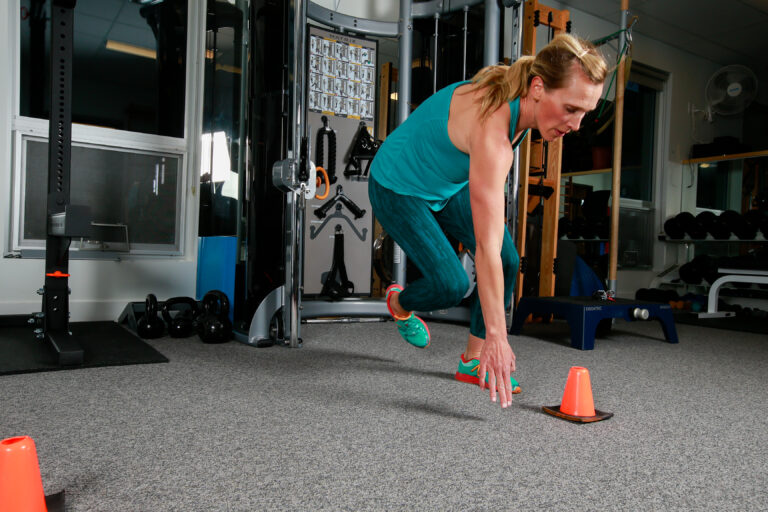
Our exercise progressions show how that scaling works:
Our articles on strengthening exercises for patellofemoral pain and the Spanish squat for knee pain go deeper on specific exercises.
Where taping, foot orthoses, and manual therapy fit
Patellar taping
The guideline says clinicians may use tailored patellar taping with exercise for immediate pain reduction and to improve the short-term results of exercise, about four weeks. It notes that taping may not help in the longer term or when added to more intensive physical therapy.
Foot orthoses and knee braces
The guideline recommends prefabricated foot orthoses for people with greater-than-normal foot pronation, for up to six weeks and combined with exercise. It recommends against knee braces, sleeves, and straps. We cover the foot connection in The Kinetic Chain: Treating the Foot Improves Outcomes for Patients With Patellofemoral Pain.
Manual therapy
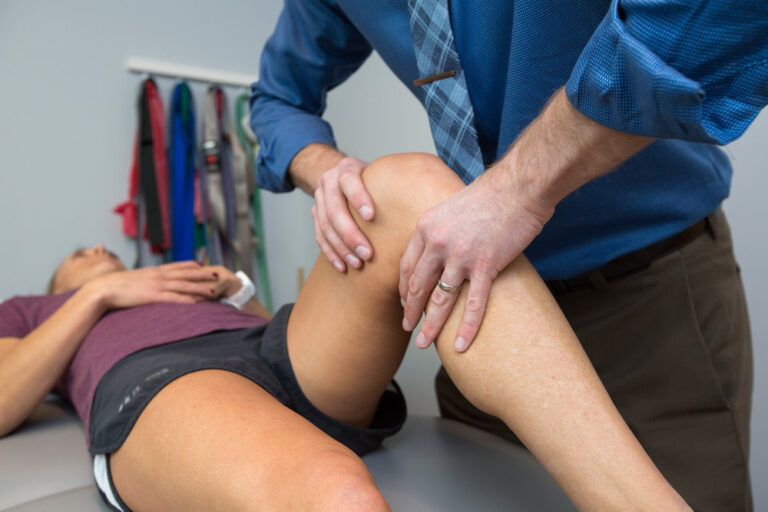
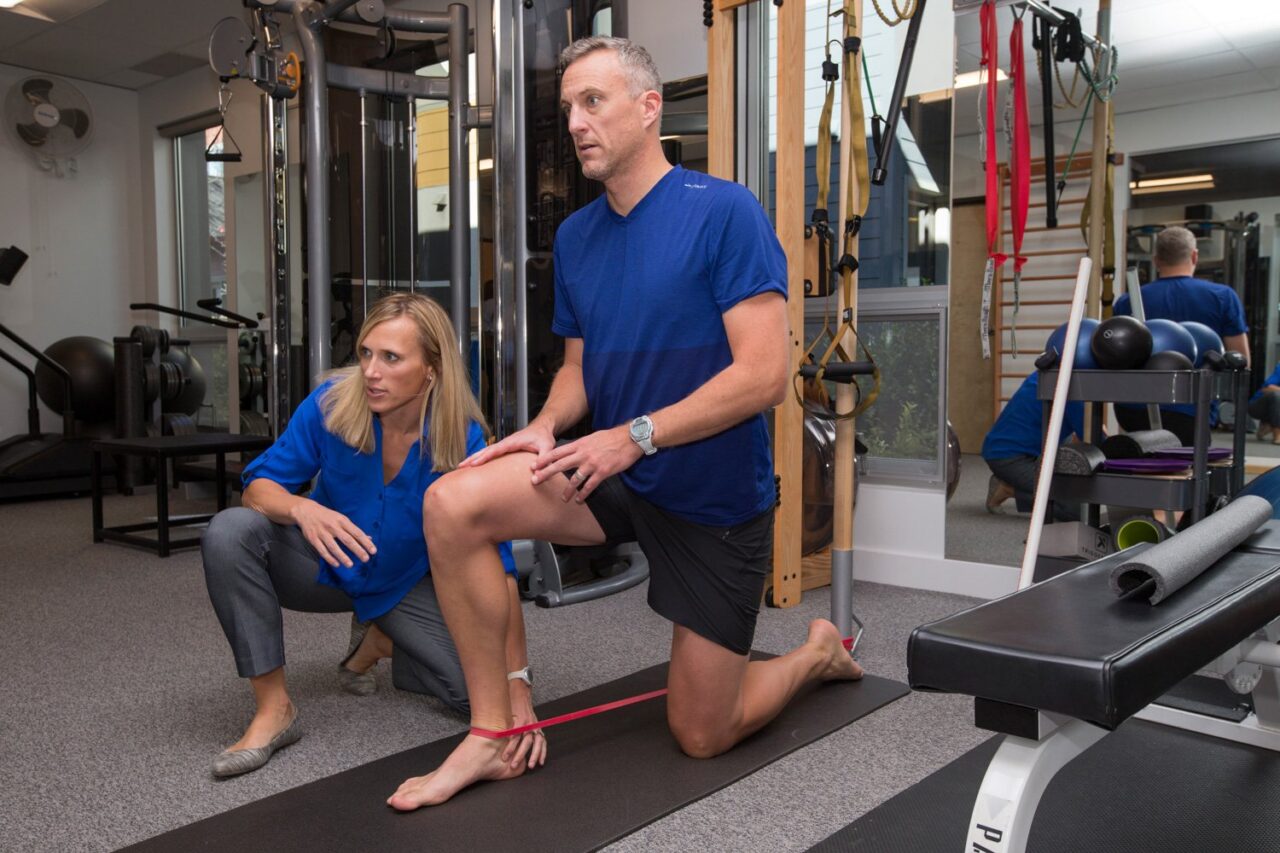
The 2022 review found that lower-quadrant manual therapy beat sham, placebo, or wait-and-see care for short-term pain, as did combined interventions, meaning packages of several treatments. A 2018 meta-analysis in JOSPT by Eckenrode and colleagues found moderate evidence that hands-on treatment directed at the knee, delivered within a broader rehab program, reduces pain in the short term. Self-reported function changed, but not by a clinically meaningful amount. We use manual therapy to lower pain enough that the exercise can be done well, and knee mobilization is one of the techniques we use. Browse the Manual Therapy library for how we apply it at other joints.
What to expect
The positive effects in the 2022 review are measured at about three months, which is a fair horizon to plan around, and the authors note that no treatment has been adequately tested beyond that point. The 2018 PLOS ONE review also describes the long-term prognosis of PFP as poor, which is why the goal is building capacity and confidence in the knee, not waiting for it to settle. Flare-ups happen. We adjust volume and exercise selection when they do, and we do not stop loading the knee.
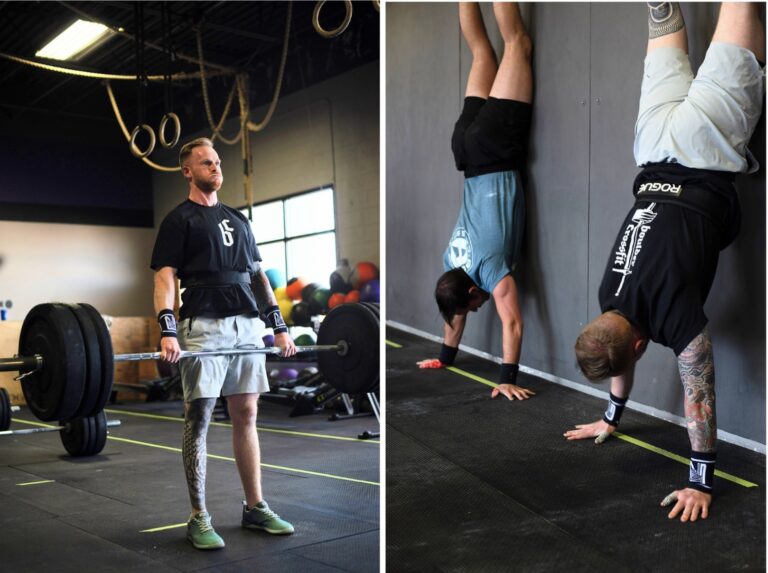
If your pain shows up mainly in one sport, these cover the specifics: CrossFit, tennis, and cycling. Our Knee articles cover the other common causes of knee pain.
When to see a doctor first
Get a medical evaluation before starting if your knee locks or gives way after a twist, swells significantly, hurts at rest or at night, or became painful after a fall or a direct blow. A swollen, hot knee with a fever needs same-day care.
Frequently asked questions
Patellofemoral pain syndrome is the older name for patellofemoral pain: pain around or behind the kneecap that comes on with loaded knee bending such as stairs, squats, and running. It is diagnosed from your history and a physical exam, not from imaging.
Exercise. The 2019 guideline recommends hip- and knee-targeted exercise, and the 2022 meta-analysis found it beat sham, placebo, or wait-and-see care at three months. Taping, foot orthoses, and manual therapy can be added for short-term pain relief.
The 2019 guideline prefers combining hip and knee exercises over knee exercises alone, and the 2022 review found the combination worked better at three months. The 2024 best practice guide treats hip-targeted exercise as optional alongside knee-targeted exercise. We decide after assessing how your hips and knee perform.
Tailored taping combined with exercise can reduce pain in the short term, about four weeks. The guideline recommends against knee braces, sleeves, and straps for PFP.
No. The 2019 guideline states that imaging such as MRI is not helpful for identifying PFP. Imaging is useful when a doctor suspects another problem, such as a meniscus tear or a fracture.
The treatment benefits in the 2022 review were measured at about three months, so plan on weeks of consistent exercise rather than days. Recovery varies by person, and flare-ups are common.
If kneecap pain is limiting stairs, squats, running, or lifting, book a knee evaluation at mendcolorado.com. We assess hip and knee strength, how you move, and what loading provokes your pain, then build a progression you can follow. You can see how we approach knee pain at our Boulder and Lafayette clinics on our knee pain treatments page.
References:
- Willy RW, Hoglund LT, Barton CJ, et al. Patellofemoral pain: clinical practice guidelines linked to the International Classification of Functioning, Disability and Health from the Academy of Orthopaedic Physical Therapy of the American Physical Therapy Association. J Orthop Sports Phys Ther. 2019;49(9):CPG1-CPG95. doi:10.2519/jospt.2019.0302
- Neal BS, Bartholomew C, Barton CJ, Morrissey D, Lack SD. Six treatments have positive effects at 3 months for people with patellofemoral pain: a systematic review with meta-analysis. J Orthop Sports Phys Ther. 2022;52(11):750-768. doi:10.2519/jospt.2022.11359
- Neal BS, Lack SD, Bartholomew C, Morrissey D. Best practice guide for patellofemoral pain based on synthesis of a systematic review, the patient voice and expert clinical reasoning. Br J Sports Med. 2024;58(24):1486-1495. doi:10.1136/bjsports-2024-108110
- Eckenrode BJ, et al. Effectiveness of manual therapy for pain and self-reported function in individuals with patellofemoral pain: systematic review and meta-analysis. J Orthop Sports Phys Ther. 2018;48(5):358-371. doi:10.2519/jospt.2018.7243
- Smith BE, Selfe J, Thacker D, Hendrick P, Bateman M, Moffatt F, et al. Incidence and prevalence of patellofemoral pain: a systematic review and meta-analysis. PLoS One. 2018;13(1):e0190892. doi:10.1371/journal.pone.0190892