By: Dr. Kristin Carpenter, PT, DPT, OCS, FAAOMPT
At Mend Physical Therapy, we’ve previously discussed the importance of high-intensity resistance training for improving bone density in women with osteopenia and osteoporosis. The LIFTMOR trial (Watson et al., 2017) demonstrated that supervised heavy resistance and impact training could improve bone mineral density (BMD), physical function and stature in postmenopausal women with low bone mass.
A subsequent randomized controlled trial using the same exercise protocol from LIFTMOR, the MEDEX-OP Trial (Kistler-Fischbacher et al., 2021), provides additional evidence supporting the efficacy and safety of high-intensity resistance and impact training (HiRIT). This study also investigated whether osteoporosis medication (antiresorptive agents) influences the response to exercise.
What Did the MEDEX-OP Trial Investigate?
Researchers recruited 115 postmenopausal women with low bone mass, including women with osteopenia and osteoporosis. Participants were approximately 64 years old on average.
Women were randomly assigned to one of two supervised 40-minute exercise programs performed twice weekly for eight months:
High-Intensity Resistance and Impact Training (HiRIT)
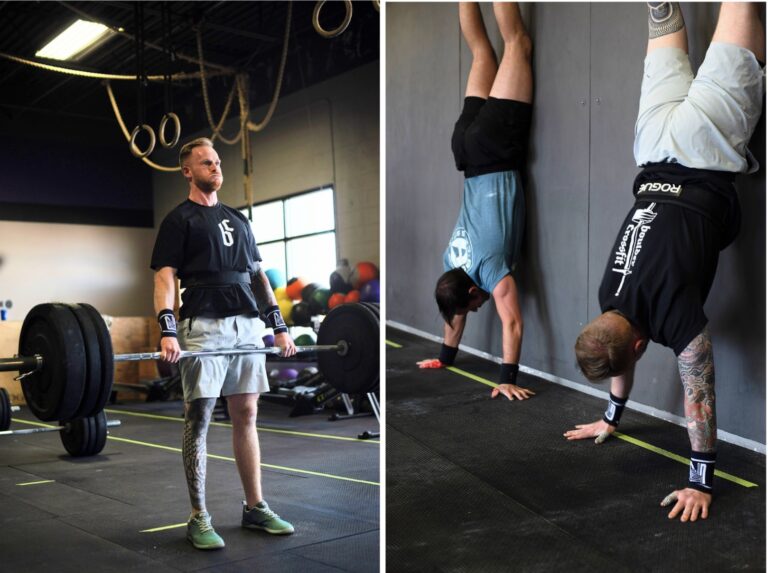
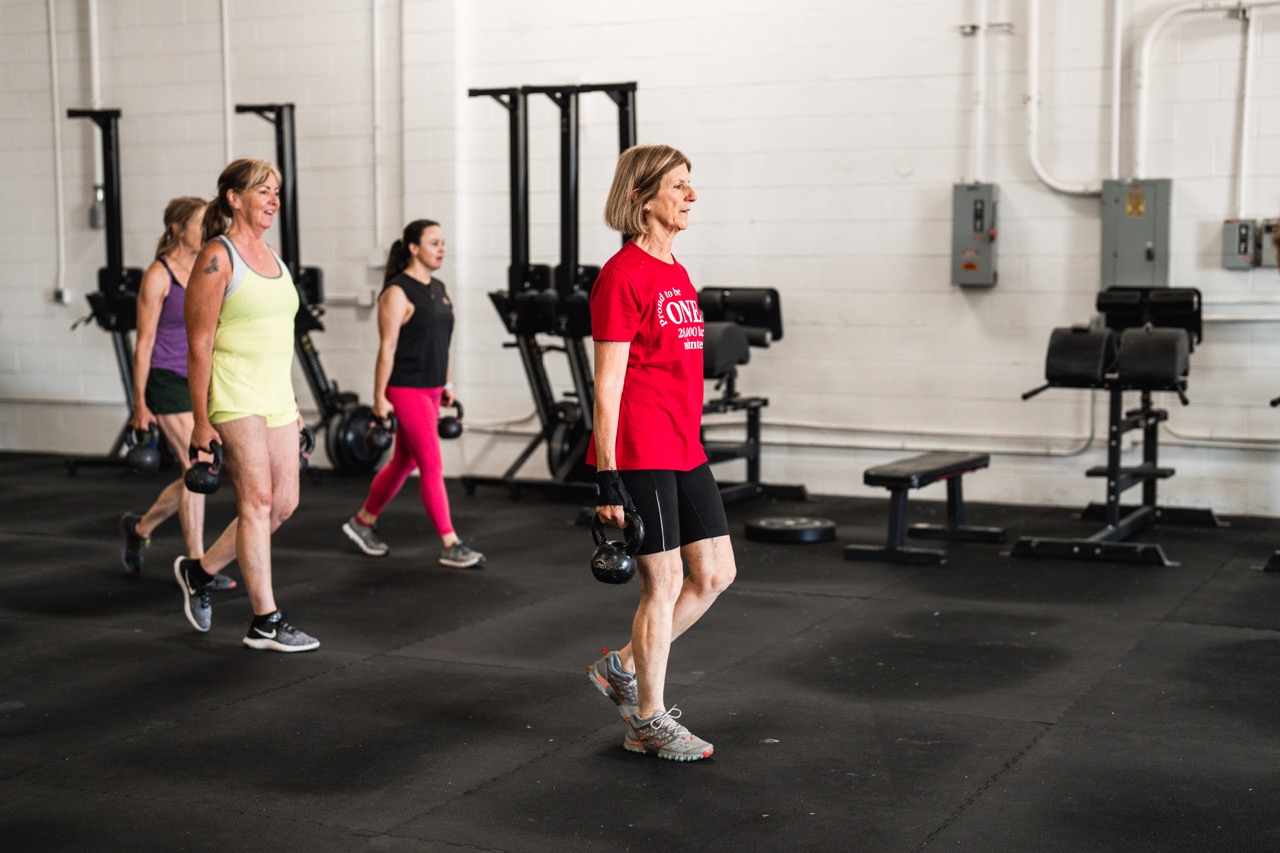
Participants performed heavy resistance training at approximately 80–85% or more of their one-repetition maximum (1RM), using five sets of five repetitions of the following exercises: squat, deadlift and overhead press. Sessions also incorporated high impact loading with a jump drop.
Low-Intensity Pilates-Based Exercise
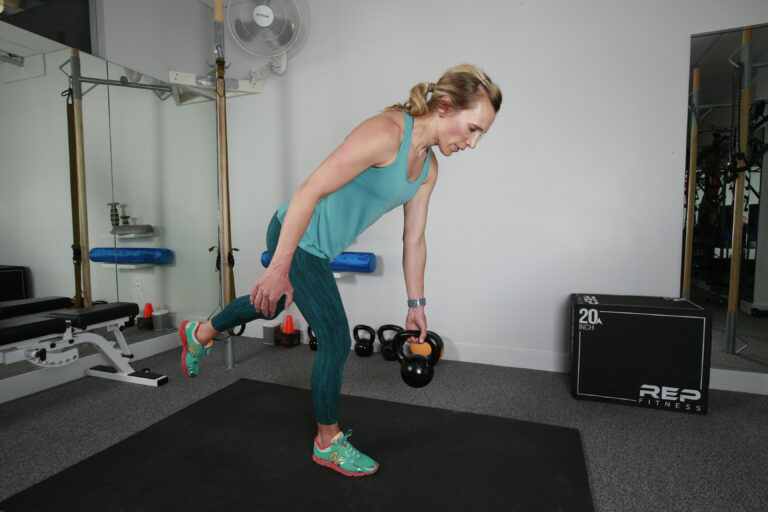
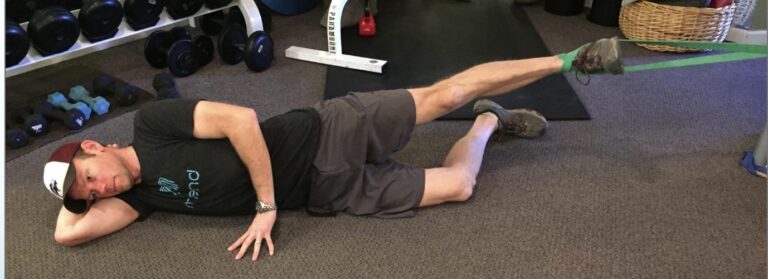
Participants performed a supervised, lower-intensity exercise program called Buff Bones, incorporating Pilates-based movements designed to improve strength, posture, balance, and mobility. Exercises included a combination of lying and standing exercises such as push ups, leg lifts, planks, standing stomps and light weight (1 kg) bent over rows, squats and biceps curls. Impact movement in the Buff Bones group included stomping and heel drops.
Researchers also examined outcomes among women who were already taking antiresorptive medications for osteoporosis, such as bisphosphonates or denosumab.
The primary outcomes were eight-month changes in lumbar spine and total hip bone mineral density. Secondary outcomes included muscle strength, functional performance, body composition and anthropometrics.
What Were the Results?
After eight months, women performing high-intensity resistance and impact training experienced significantly greater improvements in lumbar spine bone mineral density than those participating in the lower-intensity exercise program.
| Outcome | High Intensity Training | Low Intensity Training |
|---|---|---|
| Lumbar spine BMD | +1.9% | +0.1% |
| Improvements in strength | Improved (greater magnitude than low intensity) | Improved |
| Improvements in physical function | Improved (greater on selected tests) | Also improved |
| Adverse responses | 4 | 3 |
The difference in lumbar spine BMD between exercise groups was statistically significant. However, the researchers did not find a significant overall advantage of HiRIT for total hip BMD in their primary comparison.
Both exercise programs improved physical function, but HiRIT produced greater improvements in leg and back strength and performance on the five-times sit-to-stand test.
These findings support the growing evidence that heavy resistance training provides a more effective stimulus for improving spinal bone density and muscle strength than lower-intensity exercise.
Does the Amount of Weight Lifted Matter?
MEDEX-OP found a relationship between training loads and improvements in bone density. Women who achieved higher lifting loads tended to demonstrate greater improvements in spinal bone density.
This supports the principle that bone responds to the magnitude of mechanical loading placed upon it.
Exercise that improves general fitness, balance, or muscular endurance may not provide a sufficient stimulus to increase bone density.
For women whose primary goal is improving bone health, progressively increasing resistance may be an essential component of an effective exercise program. Our strength training articles cover how to progress loads, and our osteoporosis and osteopenia articles collect the related research.
Among women performing HiRIT, researchers found a positive association between the maximum weight lifted with the deadlift specifically and changes in lumbar spine BMD. As clinicians, we found this interesting because we commonly hear concerns about the deadlift from women with low bone density or a prior history of low back pain.
What About Osteoporosis Medication?
MEDEX-OP also explored whether antiresorptive medications influenced the response to exercise.
The researchers observed that women combining exercise with osteoporosis medication experienced some additional improvements in bone density, particularly at the hip.
For example, the combination of HiRIT and medication improved femoral neck and total hip BMD, whereas HiRIT alone did not produce the same significant improvements at those sites.
These findings suggest that medication and appropriately prescribed exercise may provide complementary benefits.
However, the medication comparisons were exploratory, involved relatively small groups, and were not based on random assignment to medication. So they cannot establish that adding medication to exercise necessarily produces superior outcomes.
Exercise should not be viewed as a replacement for osteoporosis medication when medication is medically indicated. Rather, progressive resistance training may provide additional benefits through improvements in muscle strength, physical function, and bone health.
Is Heavy Strength Training Safe for Women With Osteoporosis?
An important finding from both LIFTMOR and MEDEX-OP is that high-intensity resistance training was well tolerated when appropriately prescribed and supervised.
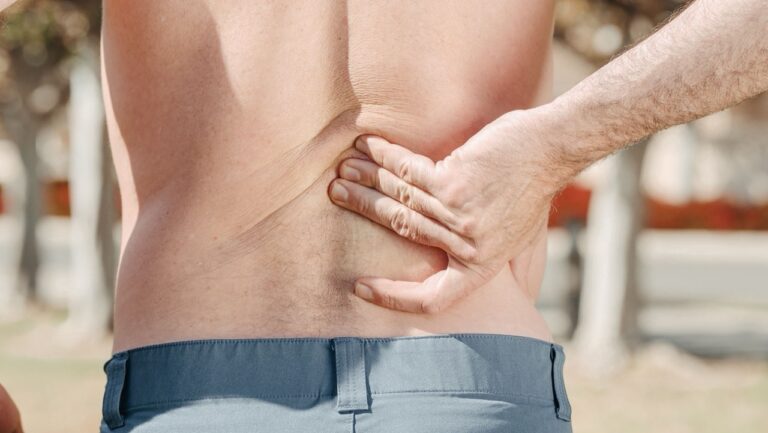
There were several adverse responses reported in this trial in both exercise groups, the most common being lower back pain. In 3 of 4 cases of increased lower back pain in the HiRIT group participants returned to the study. One case of increased low back pain in a participant with a preexisting compression fracture may have had increased compression of the fracture associated with the squatting exercise.
Reduced low back muscle strength is associated with an increased risk of vertebral fracture. One of the most effective exercises for strengthening the muscles of the lower back is the deadlift. At Mend, our position is that when performed with appropriate supervision and progressed gradually over time, the deadlift is a safe and effective exercise for improving low back muscle strength and an important component of a bone-building exercise program.
Keep in mind, participants in this study were screened, and all exercise sessions were supervised. The results should not be interpreted to mean that every woman with osteoporosis should immediately begin lifting heavy weights.
Individuals with previous fragility fractures, vertebral compression fractures, or other medical considerations may require modifications and a more gradual progression, and we advocate supervision by a physical therapist and/or a strength coach experienced in working with individuals with low bone density to minimize risk.
What Does This Mean for Your Exercise Program?
The MEDEX-OP findings reinforce several important principles for women interested in improving bone health:
- Resistance training intensity matters. Heavy resistance training appears more effective than low-intensity exercise for improving lumbar spine bone density.
- Progressive loading is important. Increasing resistance as strength and movement proficiency improves may help provide the mechanical stimulus necessary for bone adaptation.
- Consistency matters. Participants trained twice weekly over eight months, demonstrating that meaningful improvements can occur with a relatively modest weekly time commitment. Participation needs to be over a sufficient period of time for bone to remodel.
- Exercise provides benefits beyond bone density. Improvements in muscle strength and physical function may also help address factors associated with falls and fracture risk.
- Exercise should be individualized and supervised. The safest and most effective program depends on current strength, exercise experience, orthopedic history, and medical considerations. Supervision can reduce risk of injury and improve proficiency and confidence with movement.
The Bottom Line
The MEDEX-OP trial adds to the growing evidence that high-intensity resistance and impact training can improve lumbar spine bone density and physical function in postmenopausal women with low bone mass.
While activities such as walking, Pilates, and other lower-intensity exercise offer important health benefits, they may not provide the same stimulus for improving bone density as progressive resistance and high impact training.
For women with osteopenia or osteoporosis, the goal is exercise with sufficient intensity to stimulate meaningful adaptations, progressed safely.
At Mend Physical Therapy, our physical therapists help women participate in individualized and group strength training programs designed to improve strength, function, and long-term bone health. If you have low bone density and want a physical therapist to set your starting loads and progress them, book an appointment.
Frequently Asked Questions
In MEDEX-OP, screened and supervised women with low bone mass lifted at roughly 80–85% of their one-repetition maximum or more, and both exercise programs were well tolerated. Participants were screened and every session was supervised, so this does not mean everyone with osteoporosis should start heavy lifting on their own. Women with prior fragility or vertebral compression fractures may need modifications and a slower progression.
The deadlift was one of three lifts in the HiRIT program, and among women doing HiRIT, the heaviest deadlift was positively associated with gains in lumbar spine BMD. When performed with supervision and progressed gradually, we consider it a safe and effective way to build low back strength. Lower back pain was the most common adverse response in the trial, which is one reason we recommend coaching from a physical therapist.
The trial was not designed to answer that. Women who combined HiRIT with antiresorptive medication showed additional gains at the hip, but those comparisons were exploratory and not randomized. Exercise should not replace medication when medication is medically indicated.
Participants in MEDEX-OP trained twice a week for 40 minutes over eight months. After that time, lumbar spine BMD in the HiRIT group had risen 1.9%, compared with 0.1% in the Pilates-based group.
Mend Exercise Resources for Bone Health
Personal Training with our Expert Physical Therapists in our Boulder or Lafayette clinics.
Mend Women’s Strength Class – group classes coached by our team Physical Therapists and experienced strength coaches at our partner gyms CrossFit Sanitas and Koda CrossFit.
References
Kistler-Fischbacher M, Yong JS, Weeks BK, Beck BR. A comparison of bone-targeted exercise with and without antiresorptive bone medication to reduce indices of fracture risk in postmenopausal women with low bone mass: The MEDEX-OP randomized controlled trial. Journal of Bone and Mineral Research. 2021;36(9):1680–1693. Epub 2021 May 25. doi:10.1002/jbmr.4334. PubMed
Watson SL, Weeks BK, Weis LJ, Harding AT, Horan SA, Beck BR. High-Intensity Resistance and Impact Training Improves Bone Mineral Density and Physical Function in Postmenopausal Women With Osteopenia and Osteoporosis: The LIFTMOR Randomized Controlled Trial. J Bone Miner Res. 2018;33(2):211-220. Epub 2017 Oct 4. doi:10.1002/jbmr.3284. PubMed