Blog

Dyspareunia or pain with intercourse is common after having a baby. An estimated 50% of women report pain with intercourse 3 months after delivery and 17% still report discomfort at 6 months postpartum (Buhling et al, 2006). More severe perineal injuries correlate with more persistent pain, however women who undergo a C-section delivery may also...

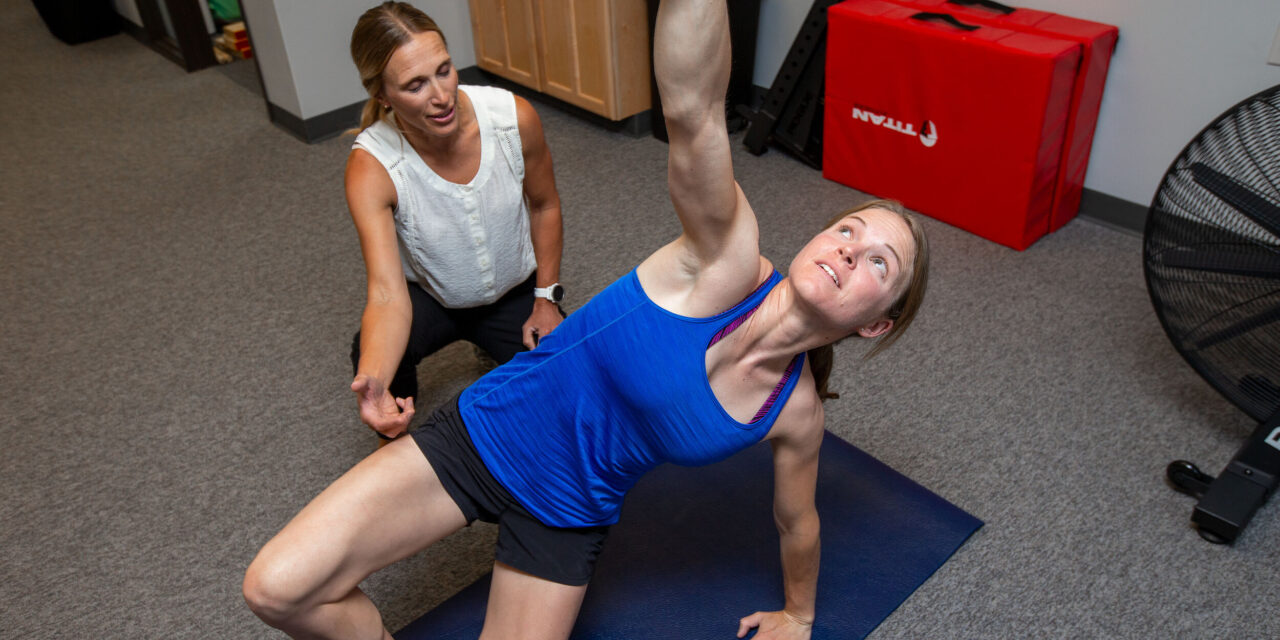
How to Best Improve Thoracic Spine Mobility for Rock Climbers

Joint stiffness in the thoracic spine can be a significant contributor to neck, upper back, and shoulder pain in rock climbers. The high muscle demands and repetitive pulling down movement of climbing often leads to excessive thoracic kyphosis, internally rotated shoulders, and a forward head position. If left untreated this can lead to long term...

Pelvic floor muscle strengthening is a specific type of training program, targeted to strengthen the pelvic floor muscles. The pelvic floor is a group of muscles that are responsible for maintaining continence, providing support to internal organs, and are important for sexual function. People with low tone or weakness of their pelvic floor, who are...

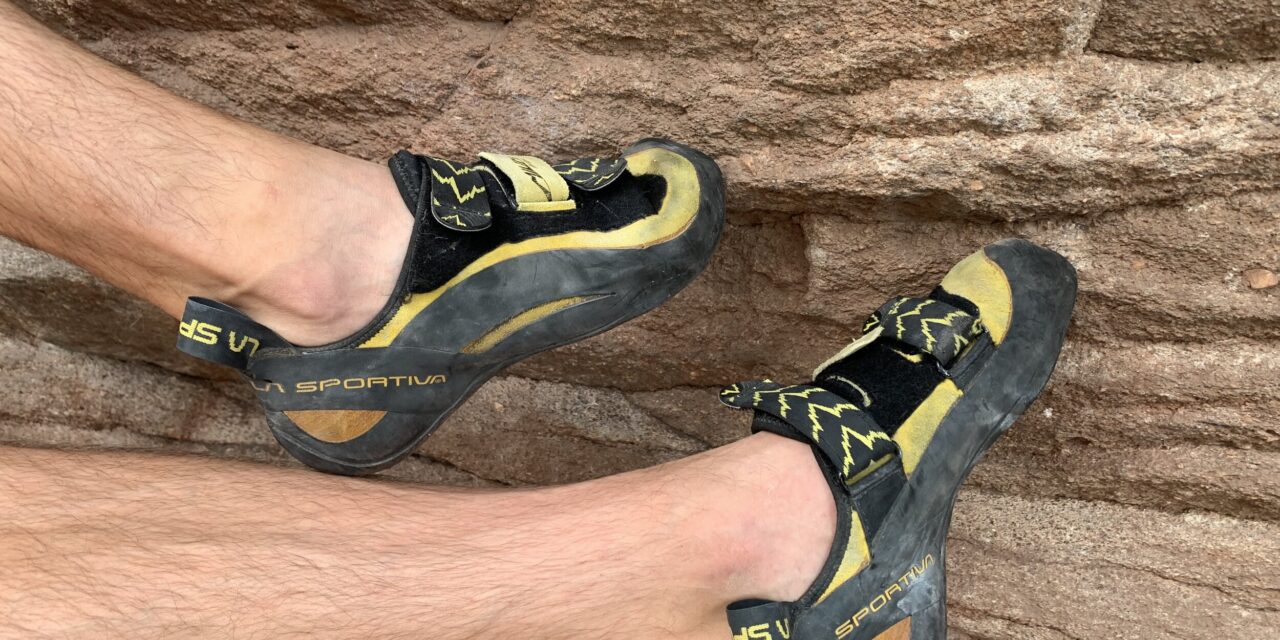
How to Treat Toe Pain From Rock Climbing

Although we tend to think of rock climbing as being most stressful on the upper body, toe pain is surprisingly common in climbers. This sport puts a lot of stress through the toes, from jamming our feet into small shoes to edging on tiny footholds. The most common location of toe pain is at the...

Do You Have Wrist Pain While Rock Climbing?

Wrist mobility and stability are crucial to helping prevent injury for rock climbers. The joint between the radius and the carpal bones (the wrist) is a common site for stiffness, especially considering the demands that climbers place on their wrists and fingers. Stiffness to the wrist joint can lead to pain at the elbow, wrist,...

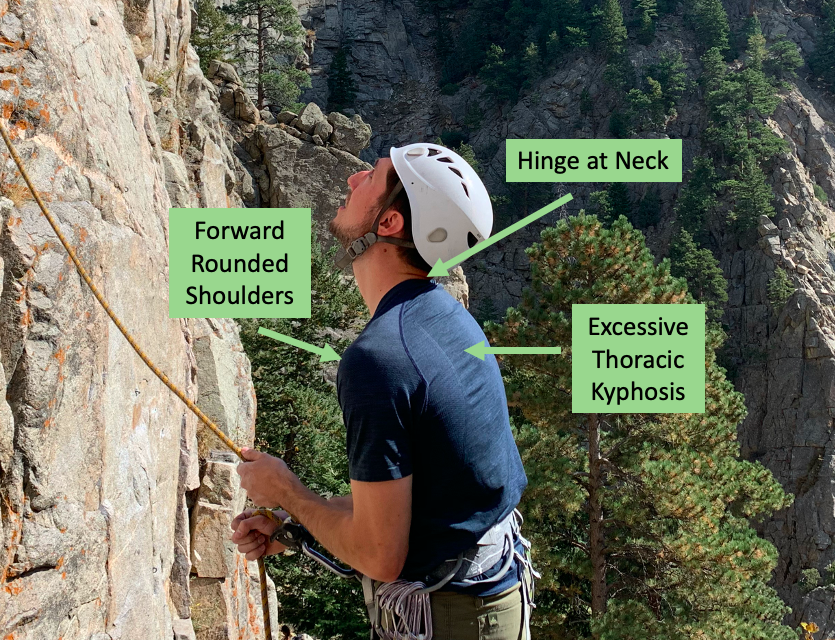
How to Treat Belayer’s Neck

How many times have you seen someone whose posture looks like this while belaying? Neck pain is a common in rock climbers. Although climbing itself can lead to neck pain, the most common cause is spending prolonged periods belaying. We refer to this as “belayer’s neck”. Belayer’s neck is a colloquial term to describe a...

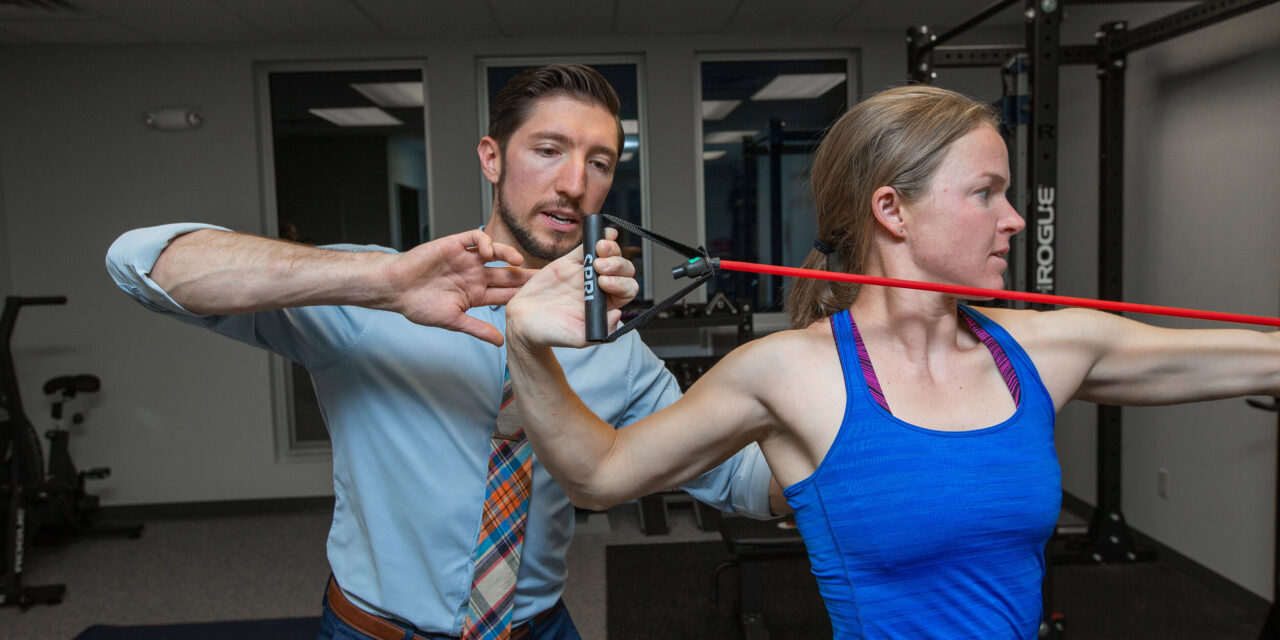
The vast majority of patients to our Boulder Physical Therapy practice require strength training to either rehabilitate an injured tissue (muscle, bone, tendon) or improve their capacity to participate in the activities they enjoy. The longer I practice the more I respect the gains in mobility, strength, function, and patient independence found through lifting something...

It is estimated that between 1-10% of vaginal births result in 3rd or 4th degree perineal tears. To learn more about the different grades of perineal tears click here. Understanding the risk factors and possible techniques for prevention of 3rd and 4th degree perineal tears, also known as obstetric anal sphincter injuries (OASIS), is incredibly...

Spinal manipulation, dating at least to Hippocrates’ writings, is one of the oldest known medical treatments. Currently, these treatments are commonly performed by Physical Therapists, chiropractors, and physicians to treat a variety of musculoskeletal pains. Evidence supporting spinal manipulation is primarily found in three areas: headache, neck pain, and low back pain. This data supports...