
Blog

Spinal Manipulation for Non-Musculoskeletal Conditions

Spinal manipulation has a solid evidence base for musculoskeletal pain: our articles on manipulation for low back pain and the best treatments for low back pain cover that research directly. The evidence looks very different once you move outside pain and mobility conditions and into the theory that manipulating the spine can influence internal organs...
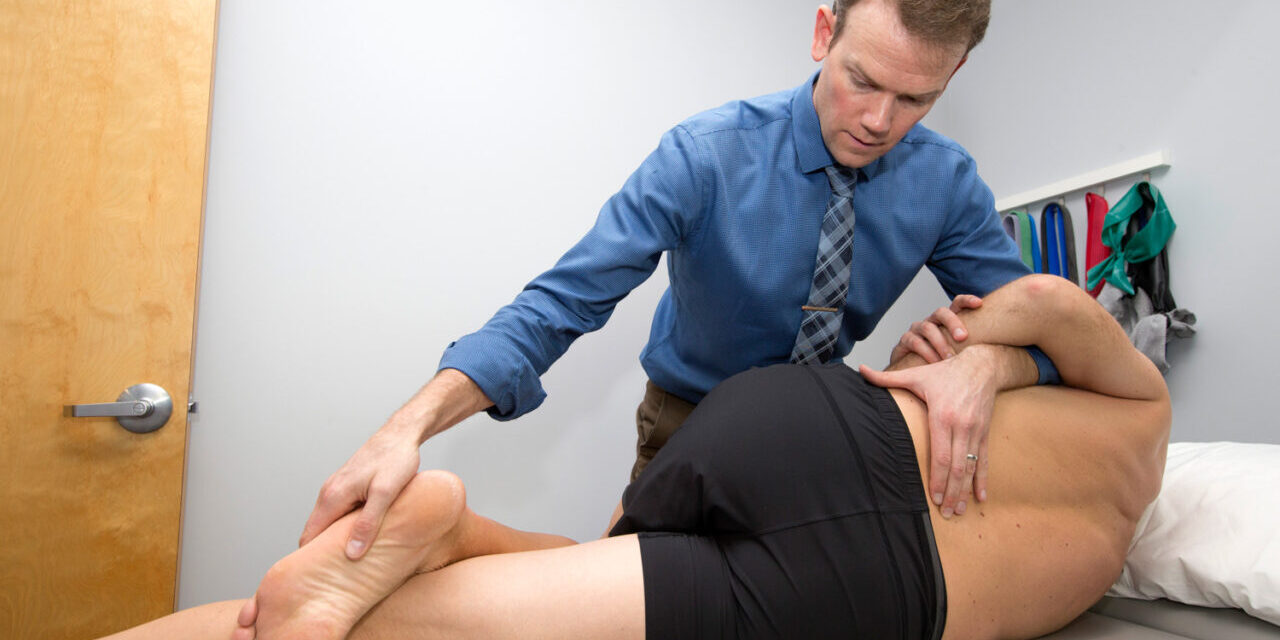

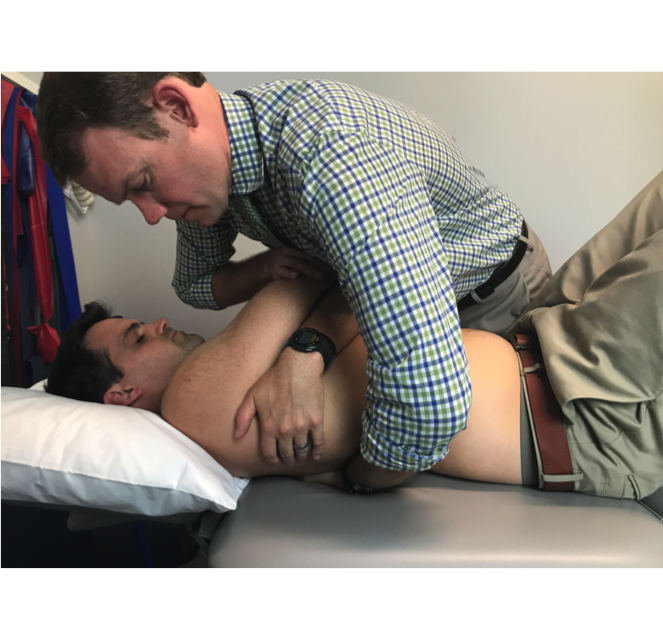
Why Does My Neck Pain Improve After Spinal Manipulation?

Spinal manipulation dates back to Hippocrates and ancient Egyptian medicine, but the explanation for why it helps has changed more recently than the treatment itself. Patients often describe it the same way: “my spine was out of place, and the manipulation put it back.” Research has disproven that theory. Imaging taken before and after a...

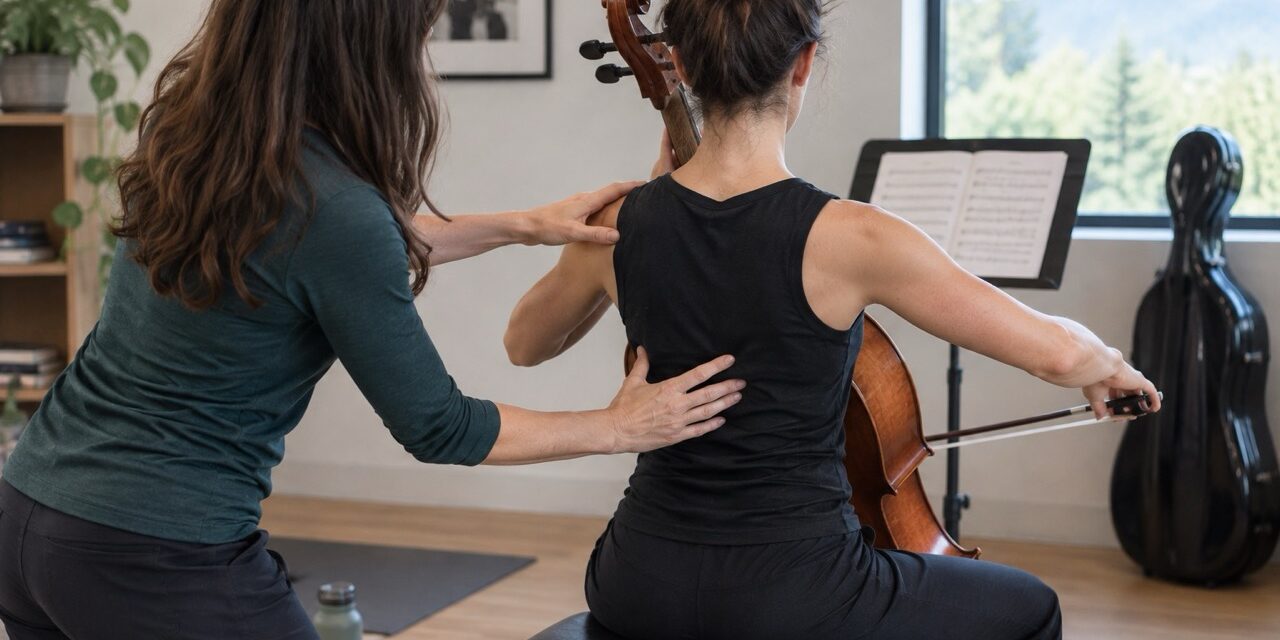
5-Minute Warm-Up for Musicians

By: Mary Pezzella, PT, DPT Musicians spend hours asking their bodies to perform precise, repetitive movements while often holding the same position for long periods of time. Just like an athlete warms up before practice or competition, musicians can benefit from preparing their bodies before they start playing. A physical warm-up doesn’t need to be...

Why Your Neck and Shoulders Hurt When You Play Music

By Mary Pezzella, PT, DPT You finish a long rehearsal and your neck is tight, your shoulder is burning, and the space between your shoulder blades feels like a knot. Maybe it settles overnight. Then you pick up your instrument the next day and it’s right back. If that sounds familiar, you’re in good company....

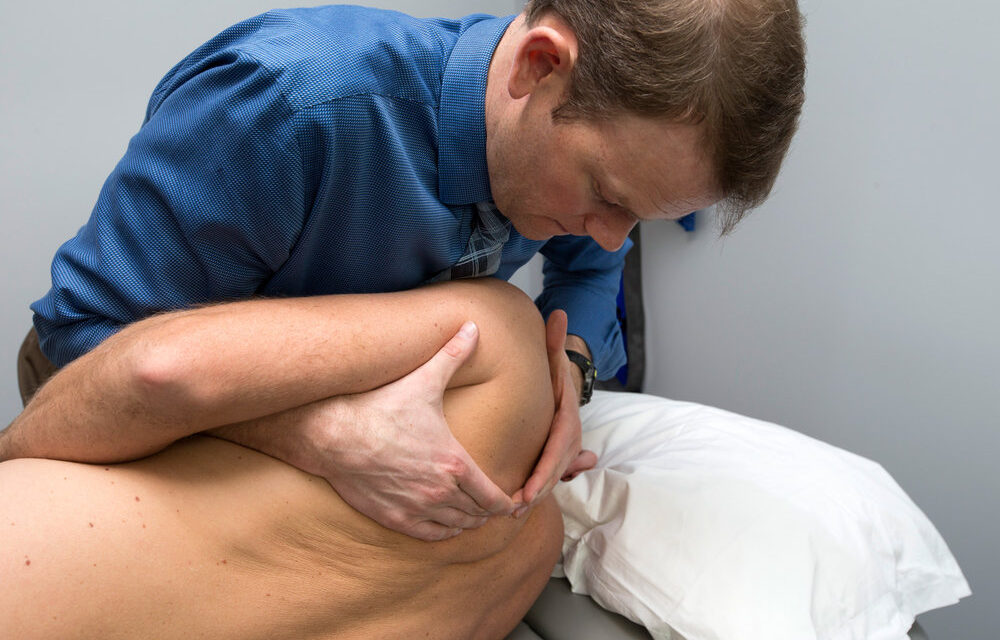
Why Treating Your Upper Back Helps Shoulder Pain

By Jeff Ryg, PT, DPT, OCS, FAAOMPT If you came in for shoulder pain and your physical therapist started working on your upper back, there’s a reason. The thoracic spine takes part in every overhead movement you make, and thoracic manipulation is one of the quickest ways to reduce shoulder pain in the first few...

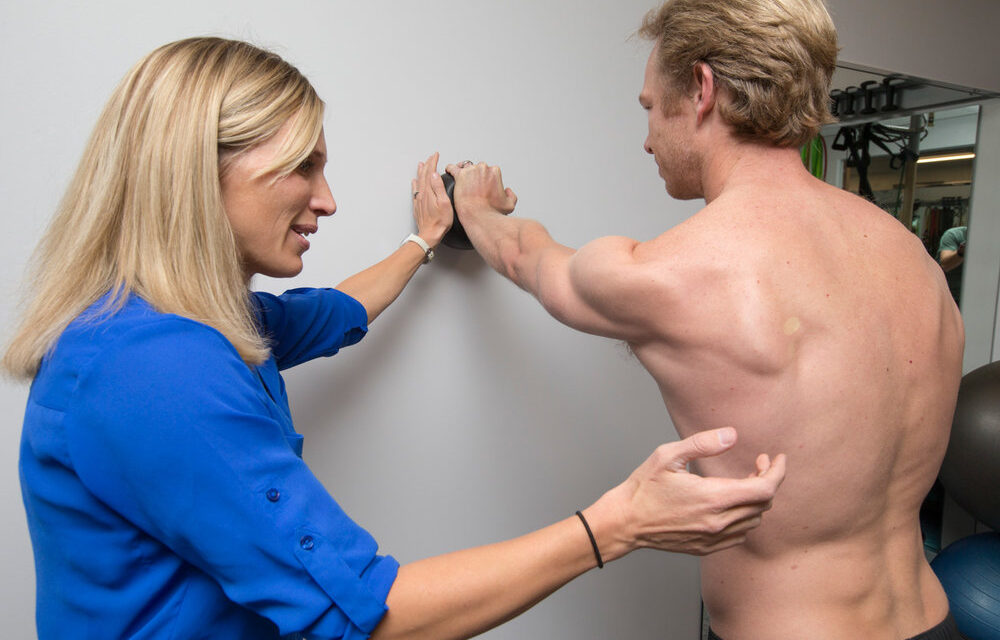
How Physical Therapy Treats Shoulder Impingement

If your shoulder pinches when you press overhead, reach for a high hold, or roll onto it at night, there’s a good chance someone has called it impingement. It’s the most common diagnosis behind shoulder pain, and it is also one of the most treatable without surgery. The research points to a consistent plan: specific...