Blog

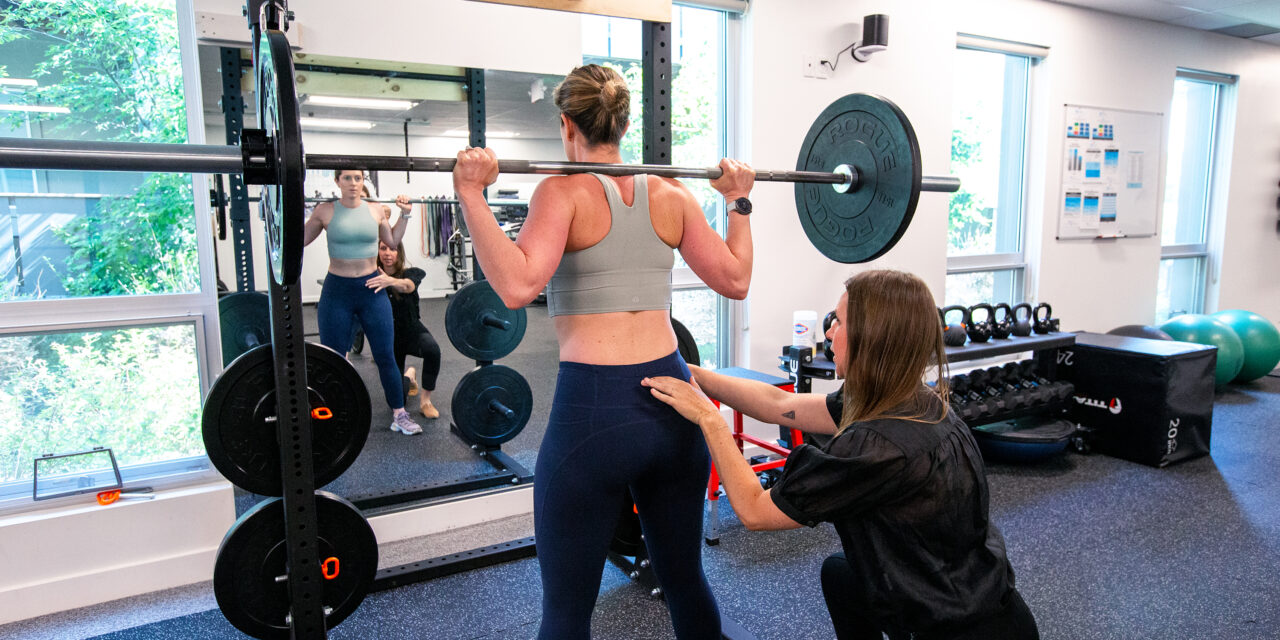
New research backs structured pelvic floor training programs for stronger pelvic floor muscles and less urine leakage during activity

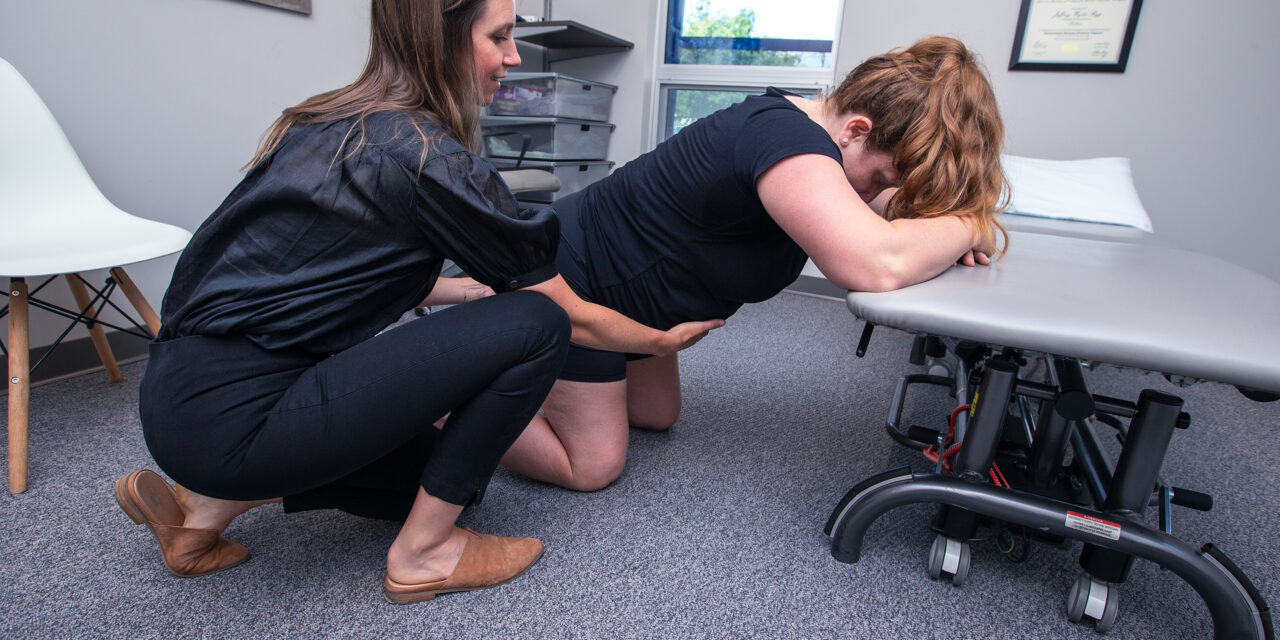
By: Chelsey Vasquez, PT, DPT, PRPC As physical therapists who work closely with active women, we often hear concerns about bladder leakage during exercise — whether it’s jumping, running, lifting, or playing sports. Many athletes are surprised to learn that this is actually quite common, even in young women who have never been pregnant. A...

Why Men Need to Talk About Pelvic Health—And Why Physical Therapy Should Be Part of the Conversation

By: Chelsey Vasquez, PT, DPT, PRPC In January 2026, The New York Times published an article highlighting what urologists wish men understood about sexual health: many of the symptoms men quietly worry about are common, treatable—and often connected to broader physical health. As physical therapists specializing in pelvic health, we see the same pattern every...

Abdominal Bloating and Distension: A Pelvic Floor PT’s Perspective

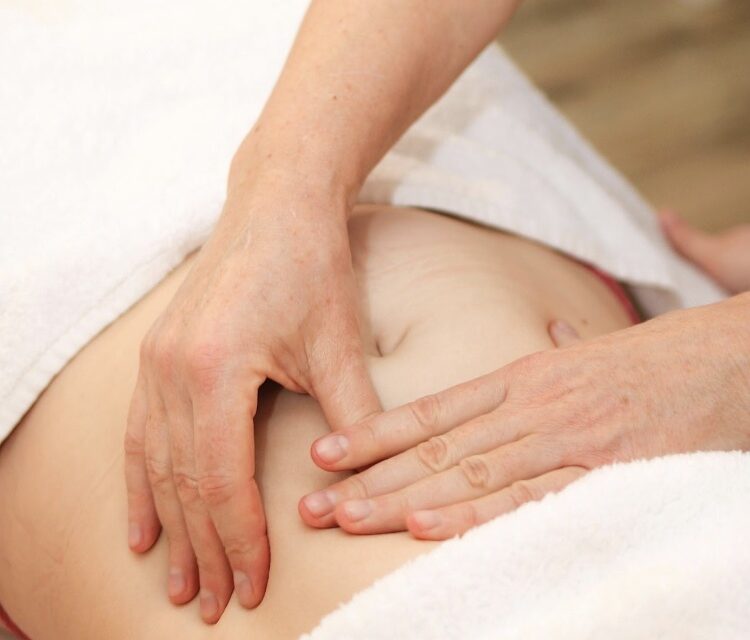
By: Chelsey Vasquez, PT, DPT, PRPC Abdominal bloating and distension are common concerns I hear from patients in pelvic health physical therapy. Many people feel uncomfortable pressure in their abdomen after eating or by the end of the day. While digestive conditions can contribute, another often overlooked factor is abdominophrenic dyssynergia. Abdominophrenic dyssynergia occurs when...

Pelvic Pain and Tension: How a Pelvic Wand Can Provide Relief

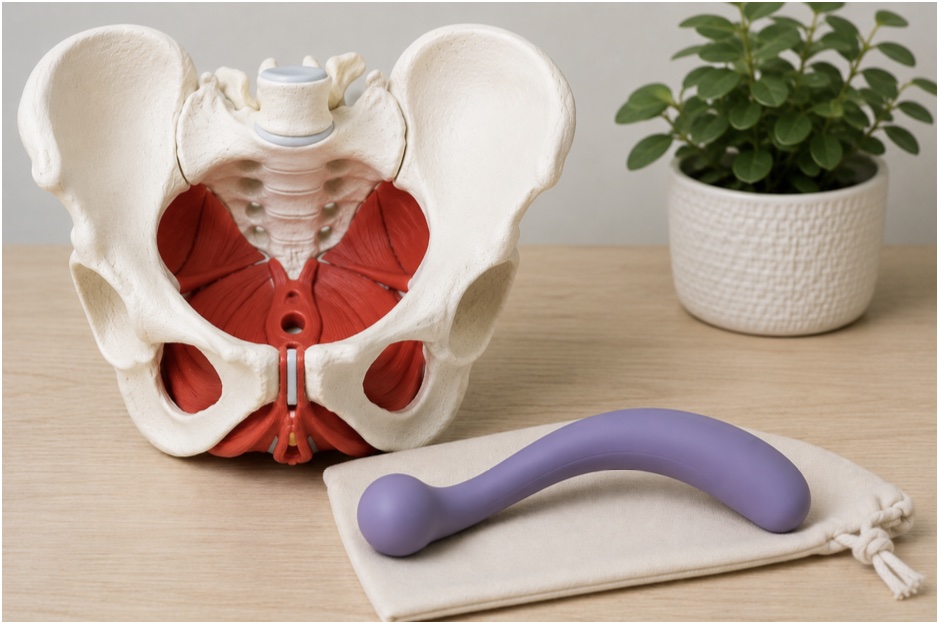
By: Erica Tran, PT, DPT, OCS Many people think pelvic floor dysfunction only involves weakness. However, for many  individuals dealing with pelvic pain, painful intercourse, urinary urgency, constipation, or  tailbone pain, the pelvic floor muscles may actually be too tight. One tool that can help address this tension is a pelvic wand. When used appropriately, ...