
Spinal manipulation has real but limited support for cervicogenic headache, the type that starts in the joints and muscles of the upper neck. Manipulation aimed at the neck gives a small short-term edge over other hands-on treatment, manipulation of the mid-back alone doesn’t ease the headache itself, and neither holds up without exercise behind it.
What a Cervicogenic Headache Feels Like
Most people with this headache have a history of neck pain. The headache runs along the back and side of the head, and neck movements or sustained postures bring it on or make it worse. That separates it from tension-type headache, which tends to feel like a band of pressure, and from migraine, which has its own pattern of nausea and light sensitivity. It’s also why the neck is where treatment starts.
What the Research Shows for Neck Manipulation
Fernandez and colleagues pooled seven randomized trials in the European Journal of Pain (2020), the first meta-analysis to look at spinal manipulation exclusively for cervicogenic headache. In every trial, manipulation was compared with other manual therapies, not with placebo. At short-term follow-up, manipulation produced a small but significant advantage for headache pain intensity, a mean difference of about 11 points on a common pain scale.
Two details matter when reading that result. The effect is small, and it shows manipulation edging out other hands-on approaches, not beating doing nothing. The review also found little support for benefit at longer-term follow-up. That matches what we see in the clinic: manipulation alone buys relief, and it doesn’t last on its own.
What About the Mid-Back?
Some clinicians treat cervicogenic headache by manipulating the thoracic spine instead of the neck. McDevitt and colleagues tested that in the Journal of Manual & Manipulative Therapy (2022). They randomized 48 adults with cervicogenic headache (average age 34) to six sessions of thoracic manipulation or no treatment, then switched the groups after four weeks and followed everyone through 12 weeks.
Thoracic manipulation didn’t change headache-related disability. It did improve neck disability at four weeks, and participants who received it were far more likely to report a meaningful overall improvement. In other words, patients felt better and moved their necks better, but the headache itself didn’t shift. For this headache type, that’s the reason we direct manipulation to the upper neck, where the headache originates.
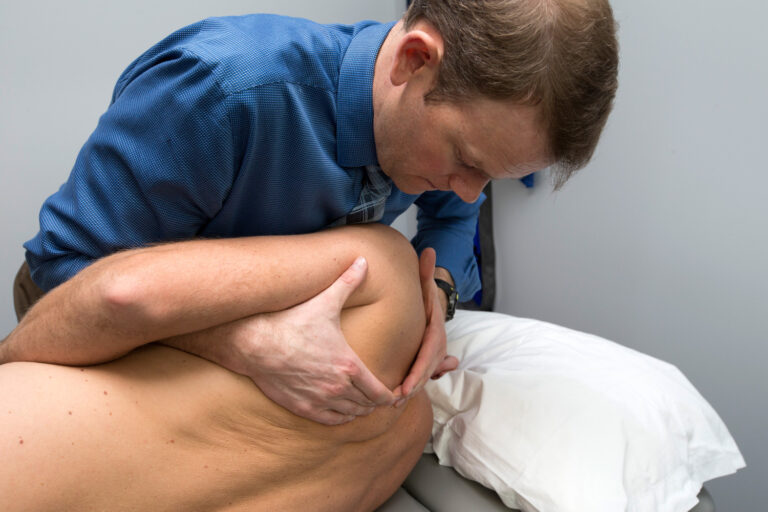
Here’s what an upper cervical (atlantoaxial) manipulation looks like in our clinic:
Manipulation Is the Start, Not the Plan
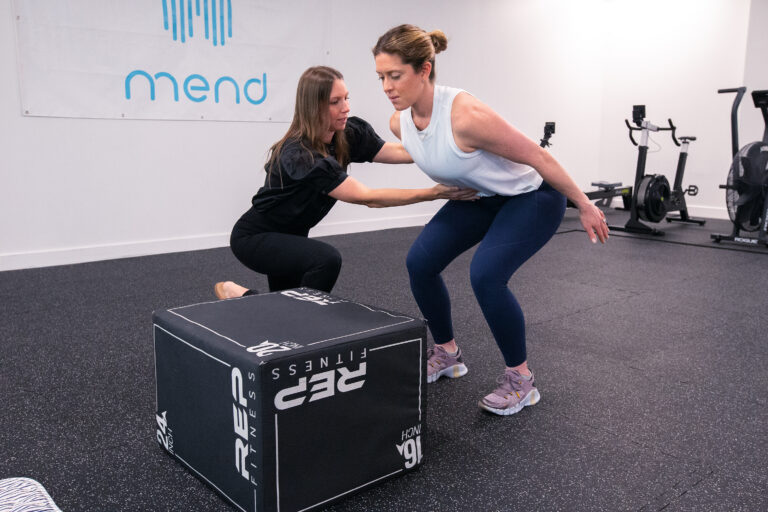
Because relief from manipulation fades without follow-through, we use it to open a window. Once the headache eases and the neck moves better, the work shifts to strengthening the deep neck muscles and the muscles around the shoulder blades, which is what reduces how often the headache returns. Our article on why neck pain improves after spinal manipulation explains what’s likely happening in the body during that window.
If your headaches are driven more by tight, tender muscle than by the upper neck joints, dry needling for tension headaches has its own evidence. You can also browse more in our headache library and neck pain library, or see how we approach headache treatment in Boulder and Lafayette.
If your headaches start at the base of the skull and flare with neck movement, an evaluation will tell you whether they’re cervicogenic and whether manipulation fits. Schedule an appointment at our Boulder or Lafayette clinic.