

Blog

Rock Climbers Shown to Have Surprisingly Weak Finger Muscles

Most climbers are aware of the importance of finger flexor strength. But how strong are your finger EXTENSORS? Finger extensors are the antagonist muscle group to the finger flexors and are critical to providing support and stability. Strengthening this muscle group is key component to a finger rehabilitation program, particularly in rock climbers who put...
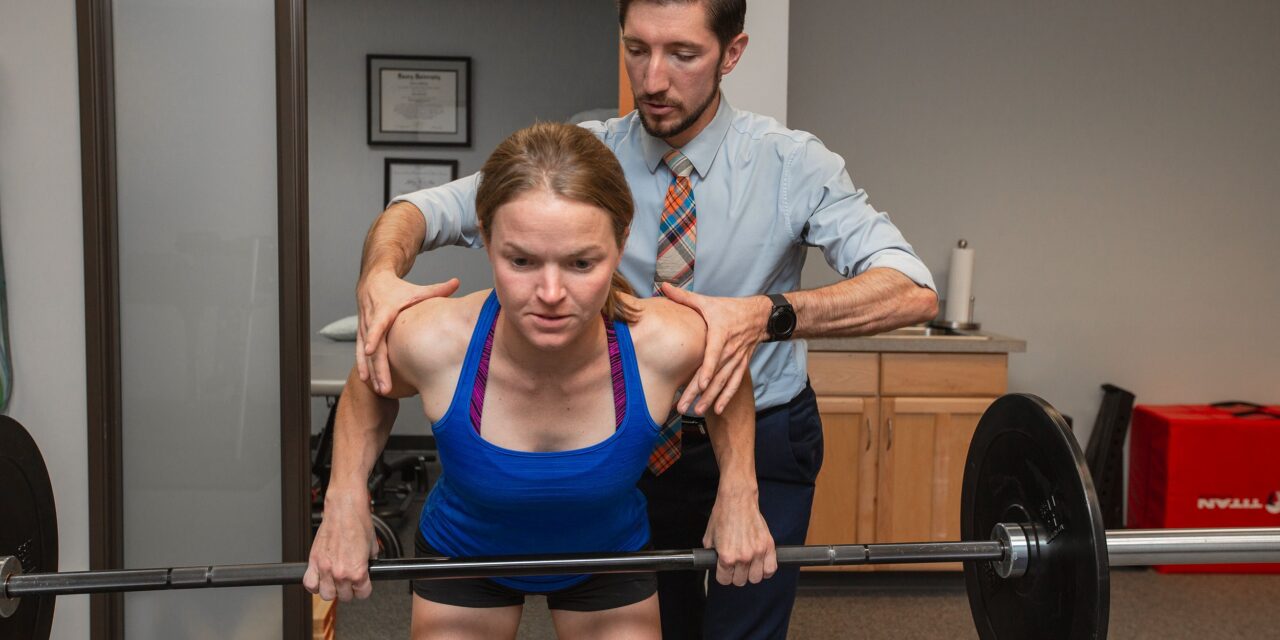
In previous blogs we have discussed the limitations of imaging, including MRI, for musculoskeletal conditions including low back pain. The presence of pathology including disc herniations, nerve compression, arthritis, and degenerative disc disease increases with age in both pain free and painful individuals. The high degree of positive findings among asymptomatic individuals questions the ability...

A radical prostatectomy is a common treatment option for prostate cancer in which the prostate is surgically removed. It is well known that following catheter removal after surgery, many men will experience moderate to significant amounts of involuntary urinary loss following surgery that can last from weeks to years. Hunter et al. in 2004 wrote...

Rock Climbing Improves Self-Confidence and Reduces Anxiety

The benefits of physical activity are well documented. Regular exercise has been shown to improve both mental and physical health. But some forms of exercise impose a greater mental challenge to its participants which can lead to increased stress and anxiety levels. While rock climbing is a very safe sport, it can test peoples’ fears...

Irritable Bowel Syndrome (IBS) is a condition that is thought to be prevalent in up to 9-23% of the world’s population. It is associated with diarrhea, constipation or both, abdominal pain and bloating, possible urinary symptoms and pelvic pain. Common comorbidities including sleep difficulties, chronic pain, chronic fatigue syndrome, and TMJ dysfunction can have a...