Blog

May All Your Squats be Heavy and Deep

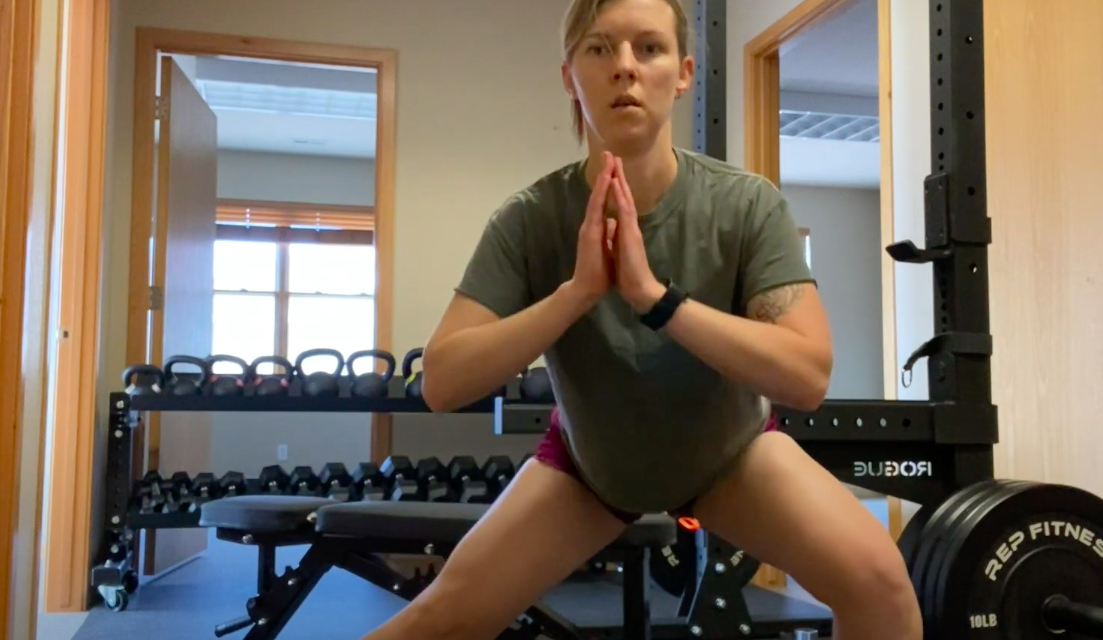
Has anyone ever told you only squat to parallel and no lower because it is dangerous or bad for your knees? Did anyone making this claim provide any evidence to support it? This is highly unlikely considering the research has proven that deep squats below parallel are not only safe but provide protective benefit against...

Suffering from Abdominal Bloating and Distension? Here’s How Physical Therapy Can Help.

Functional gastrointestinal disorders (FGID) are the most common gastrointestinal disorders in the general population, accounting for about 40% of GI problems seen by doctors and therapists. FGID are disorders of gut-brain interaction, meaning the normal motility of the intestines or the sensitivity of the nerves that innervate the intestines are impaired. However, upon imaging, there...

Triathlon is one of the more popular sports in Boulder with individuals training at all competitive levels and distances. Depending on their competitive level and distance athletes will commonly train up to 25 hours per week for their upcoming races. Surprisingly authors reports only half of triathletes utilize strength training in their weekly hours secondary...

Strength training is an essential intervention we utilize in our Boulder Physical Therapy practice to rehabilitate all levels of running athletes. Previous research has shown significant benefits of strength training in runners on injury prevention, 50% less risk for future injury, and performance, primarily through improvements in running economy compared to their peers utilizing endurance...

Running is one of the most common recreational and athletic activities in Boulder, CO. Despite improvements in shoes, training methods, and exercise programs participants in this sport continue to see high injury rates most commonly in the lower body. In our Boulder Physical Therapy practice we frequently treat these injuries to accelerate an individual’s recovery...

Am I at Risk for a Shoulder Injury from Climbing?

The best predictor of whether or not you will get an injury from rock climbing is whether or not you’ve had a climbing injury previously. Having an injury to a particular body region makes you 6 times more likely to have another injury to that region. So the best way to avoid injuries from climbing...

Are Forearm Stretches Helpful for Wrist Pain in Rock Climbers?

Forearm stretches are one of the most commonly used self-treatment techniques among rock climbers. It would be difficult to be at the climbing gym for more than one hour and not see someone stretching their wrist and forearms. But how effective is this technique for helping people with wrist pain? Research has shown time and...

Strength AND (not or) Endurance: No Need to Compromise

Exercise programs have historically achieved adaptation through specificity of training. This principle of specificity has driven the exercise community to view training for endurance or strength as a compromise, to achieve one you must sacrifice the other. Adami et al recently showed that we can indeed have it all, that it is possible to have...

Are you doing your ‘Kegel’s’ but still leaking when you jump or run? Kegel’s aren’t enough! But you can read that rant here. Having leakage with jumping and running, whether newly postpartum, decades postpartum, or having never had a baby, has multiple factors contributing to it. First, surrounding muscle groups require adequate strength and symmetry...