Headaches remain a significant source of pain and disability for patients in our country costing over $30 billion dollars each year. Symptoms can be driven by different types of headache including tension, migraine, and cervicogenic (driven from the neck). Cervicogenic headaches can be found in 4% of the general population, 20% of all patients with headaches, and up to 50% of patients with headaches after a whiplash mechanism of injury.
The upper neck vertebrae are most commonly associated with these symptoms with the 2nd and 3rd vertebral joint driving 70% of headaches. The clinical diagnosis can be made based on the following criteria
-
Pain that originates in the neck and radiates to the frontal and temporal regions
-
Unilateral symptoms (may be bilateral but never together)
-
Radiates to ipsilateral shoulder and arm
-
Provocation of symptoms with neck movement
-
History of neck pain
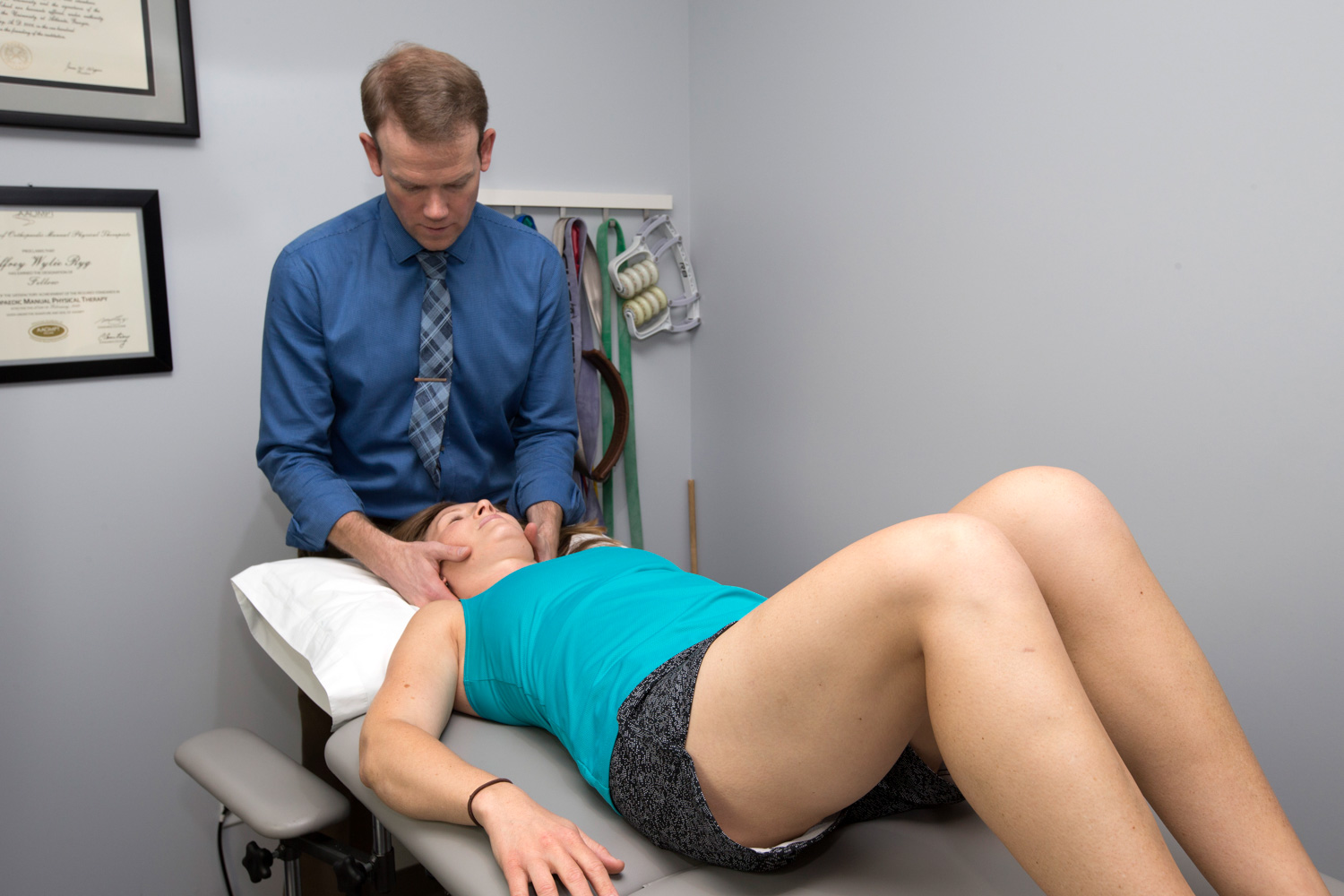
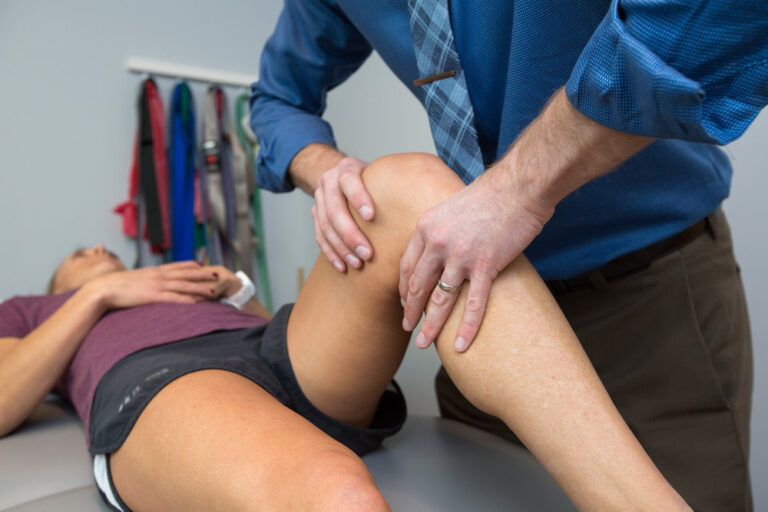
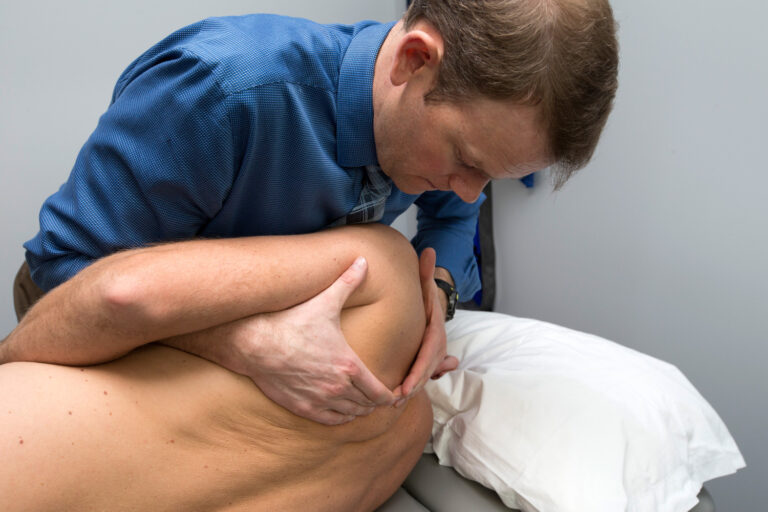
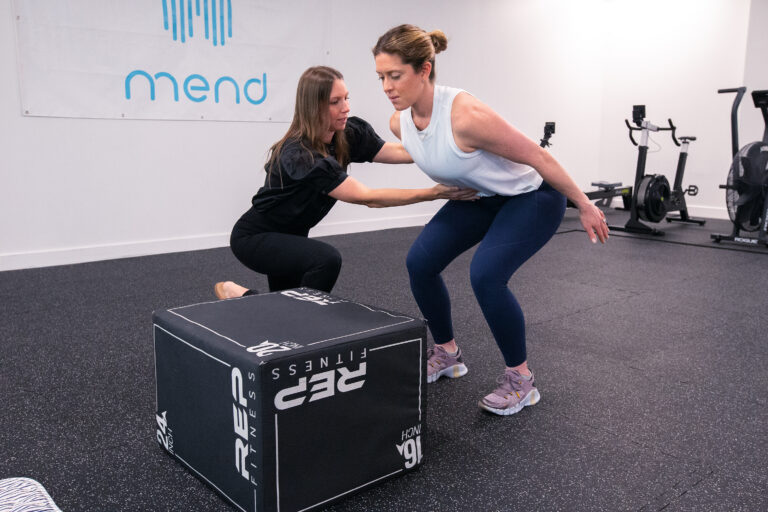
Physical Therapy remains a first line treatment for cervicogenic headaches. Researchers advocate for a mulitimodal approach including spinal manipulation, neck and upper back strengthening (see videos). These interventions have received the highest grade (A) of evidence for treatment of this condition. Specifically, evidence supports the use of manual therapy and exercise over primary care management, manual therapy or exercise alone in patients with neck pain and headache. These benefits are sustained at 1 and 2 year follow up time periods. Finally, the number needed to treat (NNT) is 2 for patients with neck pain treated with manual physical therapy and exercise to achieve one additional successful outcome than would have occurred if patients received an alternative treatment.
Click Here to schedule your next appointment with the experts at MEND

Article Tags
Related Articles
New Research Highlights the Benefits of Physical Therapy After Breast Cancer Treatment
By: Chelsey Vasquez, PT, DPT, PRPC Many breast cancer survivors continue to experience shoulder pain, tightness, weakness, and limited mobility...
No Benefit Found For The Utilization Of Shockwave Therapy For Achilles Tendon Pain
Modalities in Physical Therapy come and go. Many clinics have closets full of old, outdated, and unproven modalities that were...
Why Does My Back Hurt After 18 Holes? … Solving Low Back Pain in Golfers
By: Maggie Gebhardt, PT, DPT, OCS, FAAOMPT Lower back pain (LBP) is the most common injury in golf, affecting up...
Physical Therapy for Hypermobile Performing Artists in Boulder: A Guide to Stability
By: Maggie Gebhardt, PT, DPT, OCS, FAAOMPT Hypermobility is often seen as a “superpower” in the performing arts. Whether you...
Stop Blaming Your Hands: The Real Reason Your Pickleball Reactions Are Slow
By: Erica Tran, PT, DPT, OCS If you play pickleball and feel like you’re always a split-second late at the...
When Should a Massage Therapist Refer to Physical Therapy?
By: Ian Nay, PT, DPT, OCS At Mend Physical Therapy, we spend a lot of time working with people who...
Why Your Shoulder Hurts after Jiu Jitsu (And When to Seek Help)
By: Rani Helvey-Byers, PT, DPT, OCS The shoulder is the second most commonly injured site in Brazilian Jiu-Jitsu.1 If you...
Low Back Pain Treatment for Athletes in Boulder County: Fix the Root Cause, Not Just the Pain
By: Kristin Carpenter, PT, DPT, OCS, FAAOMPT Low back pain affects 60–80% of people at some point in their lives...
Sign up for exclusive offers, therapy insights health & fitness awareness, classes, training and more. *Please view our Privacy Notice and Notice of Financial Incentive for more information. Copyright @MEND 2018-2026. All rights reservedIndividualized Care Provided By Expert Clinicians
Newsletter Signup
ABOUT