Blog

Rotator Cuff Strengthening for Rock Climbers

The rotator cuff is an essential group of muscles that stabilize the shoulder during climbing movements. These muscles are commonly injured by rock climbing and weakness of the rotator cuff can lead to multiple shoulder pathologies such as impingement (subacromial pain syndrome), biceps tendinopathy, and glenohumeral joint sensitivity. The muscles that we treat most commonly...
Rotator Cuff Tears in Rock Climbers

Shoulder pain is a common problem among rock climbers. It affects 2/3 of adults and is one of the top three reasons patients will seek care from a primary care physician or Physical Therapist. The most probable reason for shoulder pain remains rotator cuff pain including impingement, rotator cuff tendon pain, and rotator cuff tears....

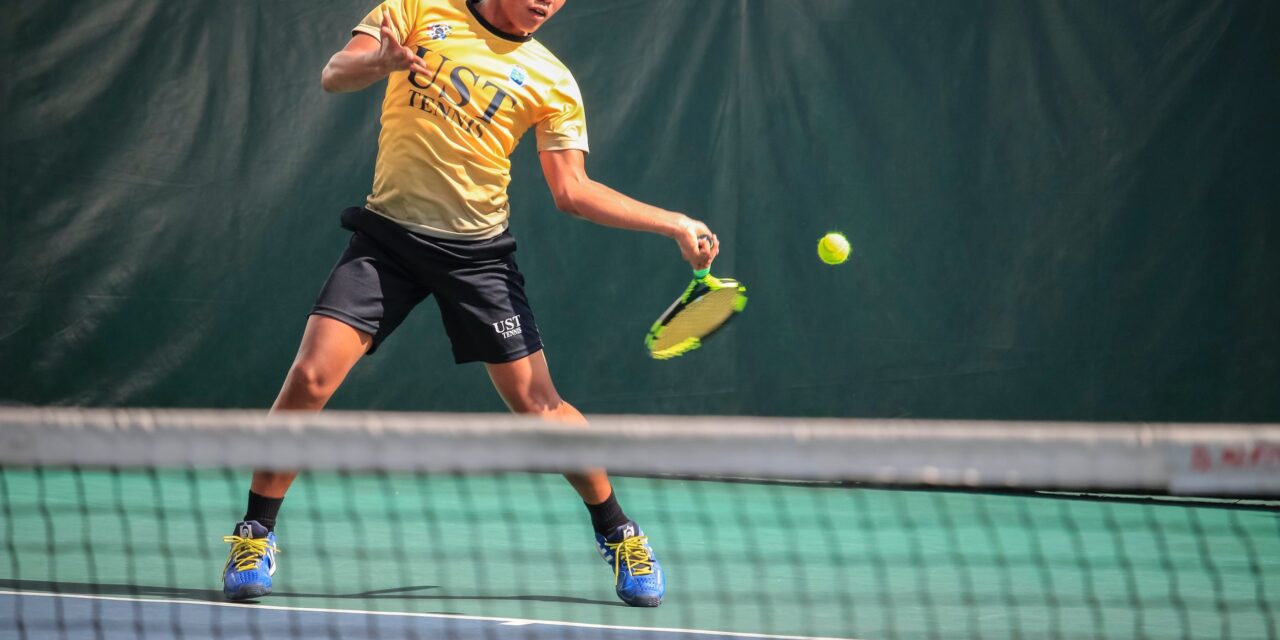
Rotator Cuff Strengthening for Tennis Players

The rotator cuff is an essential group of muscles that stabilize the shoulder during overhead movements such as the tennis serve. These muscles are commonly injured by tennis players and weakness of the rotator cuff can lead to multiple shoulder pathologies such as impingement (subacromial pain syndrome), biceps tendinopathy, and glenohumeral joint sensitivity. The muscles...

Evidence Does Not Support Utilization Of Surgery Over Physical Therapy For Most Musculoskeletal Conditions

The vast majority of musculoskeletal conditions and diagnoses are not life threatening or time sensitive and allow for conservative treatments, including Physical Therapy, to be utilized prior to surgery. In our Boulder Physical Therapy practice we commonly see outcomes consistent with the current research on the utilization of Physical Therapy instead of surgery for common...

Rock Climbers: Are Your Hips Causing Your Shoulder Pain? The evidence shows a strong link between leg function and arm injury.

It may not seem obvious, but weakness in our hips can lead directly to shoulder pain while climbing. Because climbing requires the use of all extremities simultaneously, impairments in one region of the body almost always have a direct impact on the other extremities. One of the most common, but seldom recognized, patterns is the...