
Blog

Rotator Cuff Tears in Rock Climbers

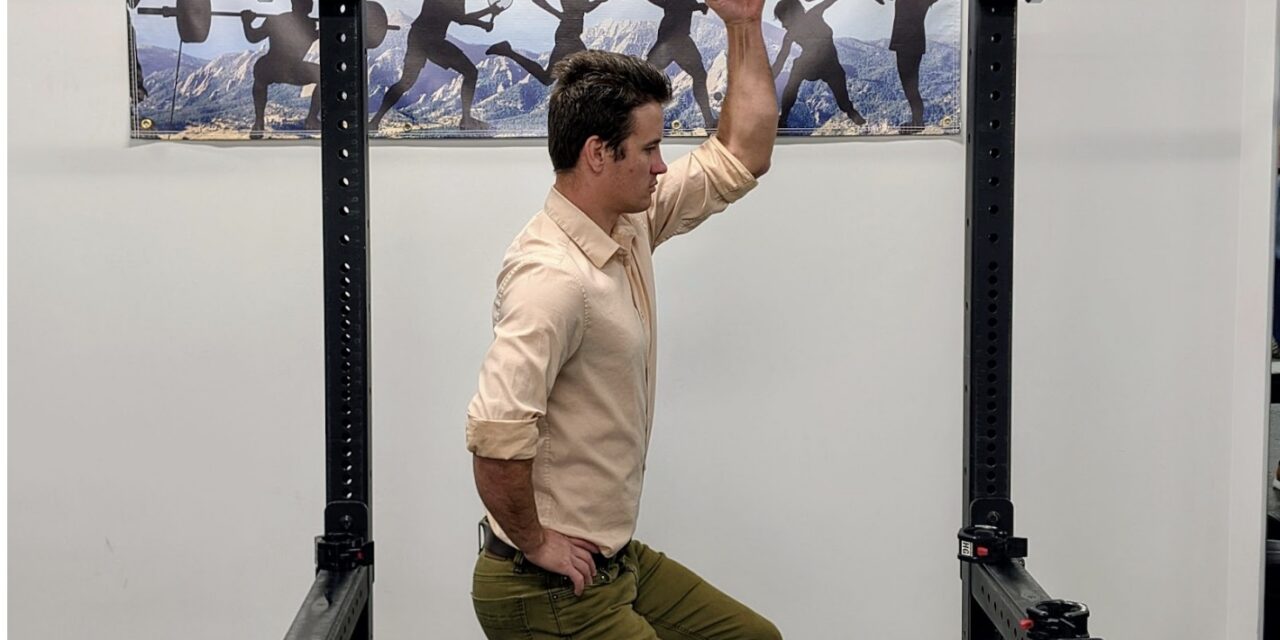
Shoulder pain is a common problem among rock climbers. It affects 2/3 of adults and is one of the top three reasons patients will seek care from a primary care physician or Physical Therapist. The most probable reason for shoulder pain remains rotator cuff pain including impingement, rotator cuff tendon pain, and rotator cuff tears....

Top 5 Things To Do After A Running Injury

Death, taxes, low back pain, and injury if you are a runner. With over 90% of runners reporting an injury preventing participation in training or competition running injuries fall into the when not if category. The vast majority of these injuries occur in the lower quarter and are overuse in nature involving tissues in the...

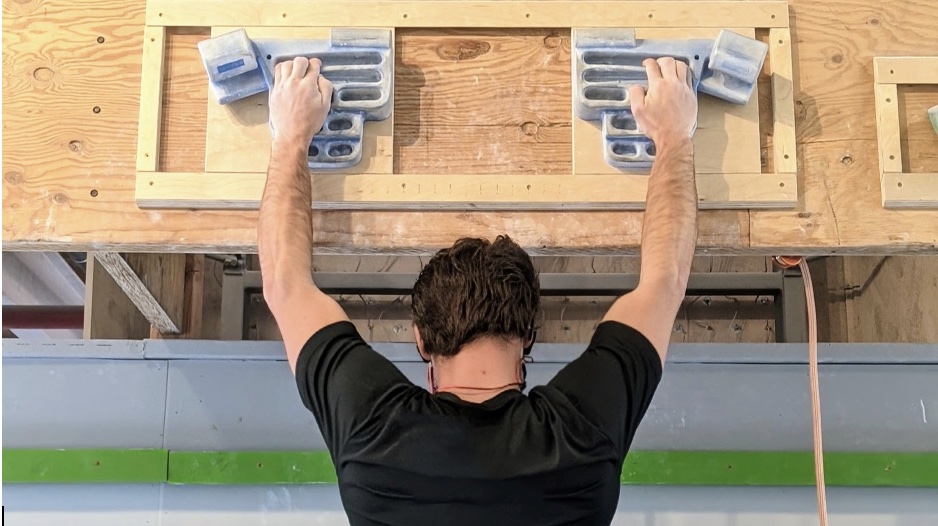
Utilizing The Hangboard To Improve Your Rock Climbing

The World of Hangboard Somewhere along your jaunt down the nice wandering cobble set path of life you were unexpectedly jabbed by the climbing bug, its infectious poison penetrating all the way into your soul, leaving your mind consumed with the indomitable desire to get vertical. The only way you have found to cull the...

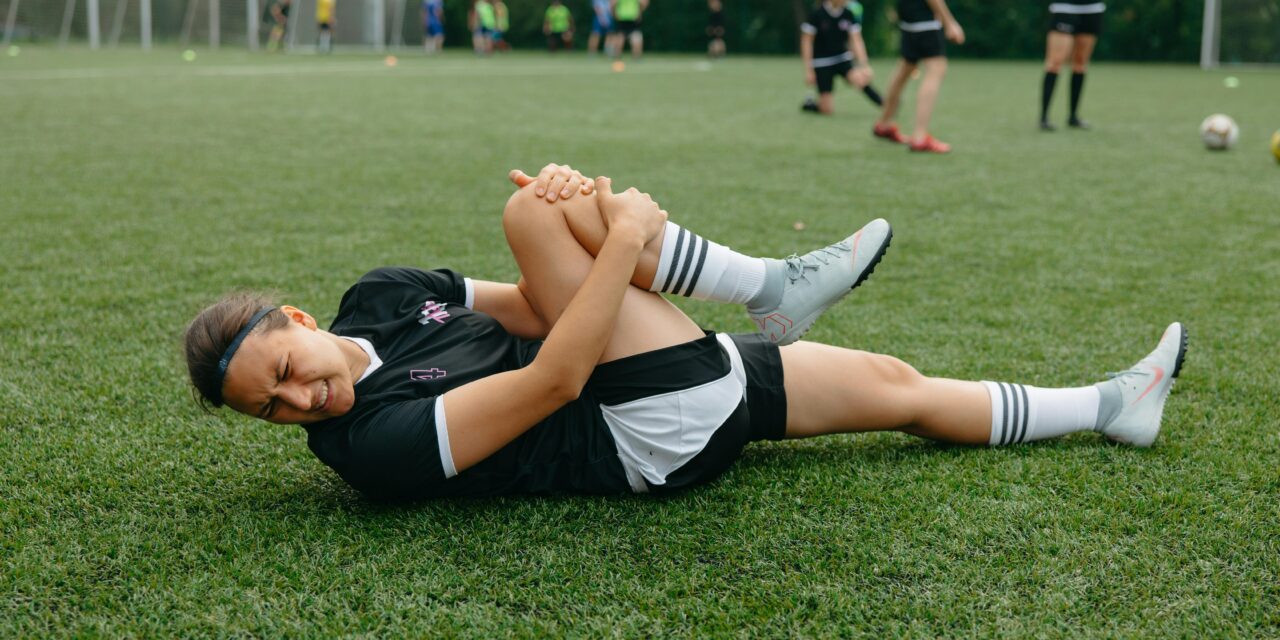
Returning to running after a knee injury or surgery is a common milestone in the recovery journey, especially for those who live active lifestyles. However, it’s essential to approach this step with caution to avoid setbacks or re-injury. Whether you’re recovering from a knee ligament injury, patellar tendinopathy, or knee surgery, determining when you’re ready...

How And Why Should I Incorporate Strength Training Into My Training As A Runner?

Our Boulder Physical Therapy and Lafayette Physical Therapy clinics have written numerous blogs illustrating the benefits of strength training for runners. Previous authors have shown that strength training is effective for improving running economy and rate of force development which can help you reach your distance, pace, or performance goals. As the race season begins,...

Overtraining In Rock Climbing

Overtraining syndrome (OTS) is a condition that arises from an imbalance between training, recovery, and the body’s ability to adapt. In the context of rock climbing, which is a demanding sport requiring strength, endurance, and mental acuity, recognizing the signs and symptoms of OTS can help to avoid injury and setbacks in reaching goals ....