Blog

Our prior posts have documented some of the research supporting the use of caffeine in both strength training and endurance events.  Caffeine has many effects including increased alertness and decreased perception of pain and fatigue.   These effects on the central nervous system allow an athlete to train harder and longer at a given intensity when...

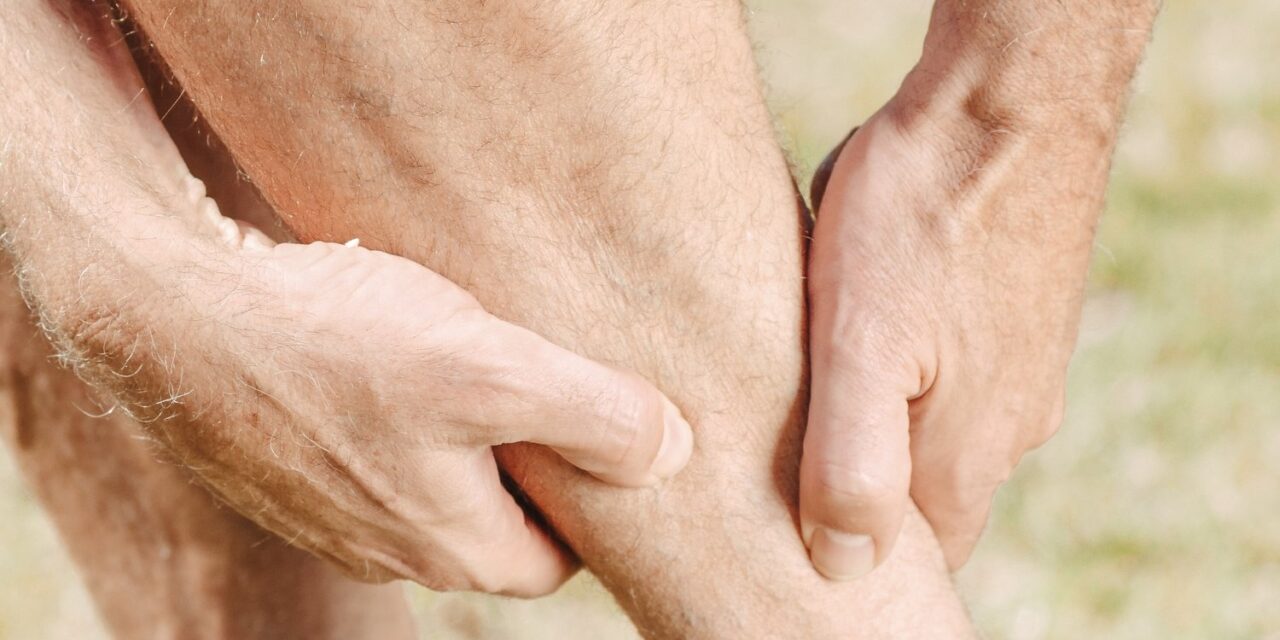
Muscle injuries (strains) are a common injury among both inactive and active people.  These injuries can become recurrent and lead to significant losses in function and sport participation.  Research has previously shown injections such as PRP (platelet rich plasma) are costly and ineffective to treat these muscular injuries.  Conversely, these injuries require Physical Therapy and...

Running remains one of the most popular forms of exercise due to its’ convenience, low cost of entry, and aerobic efficiency. It is difficult to replace the same health benefits you receive from a 30 minute run with another mode of activity. Unfortunately the rates of running related injuries have not been reduced with improvements...

Recovery tools, including supplements, drinks, foods, and clothing, are a billion dollar industry but one the most effective and cheapest options remains adequate sleep. High level athletes make sleep a priority scheduling time for a full night’s sleep and daily naps to help recover from their daily training sessions. The CDC recommends American adults should...

What Should the Best Rehabilitation Program for Postpartum Athletes Include?

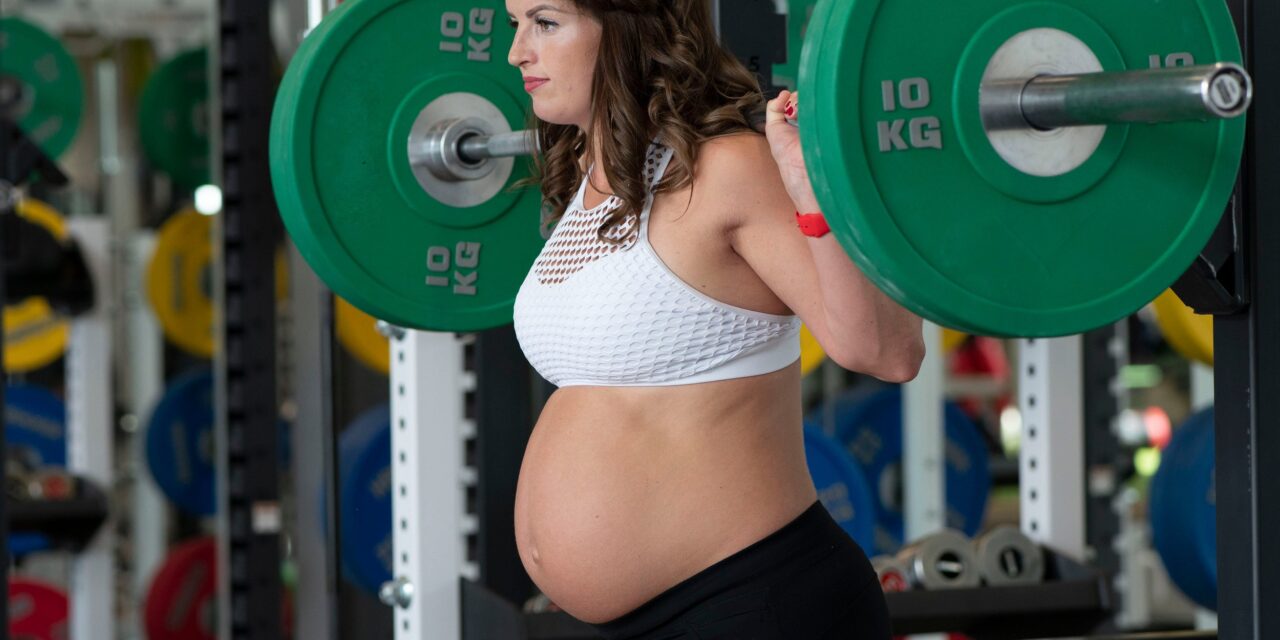
A recent article in the Journal of Orthopaedic and Sports Physical Therapy (Deering et al, June 2020) discusses the research currently available to guide a return to exercise (including competitive sport) after pregnancy and childbirth. The short answer is, there’s not much. The article proposes a 3 phase approach to postpartum recovery in athletes.   Phases...

As more research about the novel coronavirus COVID-19 is developed, it is important to consider the effects of the disease on the pelvic floor and associated body systems and functions. The implications are both direct, i.e. affecting the cells of the bladder and small intestine, and indirect by disrupting function in the pulmonary system, in...