
Blog

Shoulder pain remains one of the most frequent reasons patients seek care from a Physical Therapist.  Although many diagnoses create symptoms in the shoulder region, rotator cuff tendon pain is one of the most common.  Descriptions of tendon pain such as tendinitis are being disproven by the research due to a lack of inflammatory process...

Temporomandibular Disorders (TMJ/TMD) Problem TMJ/TMD are a major cause of non dental jaw and facial pain.  Approximately 18 million word days are lost annually per 100 million full time working adults due to symptoms of TMD (2).   Women have a 3:1 greater ratio of incidence compared to men between age 30 and 50 (1)....

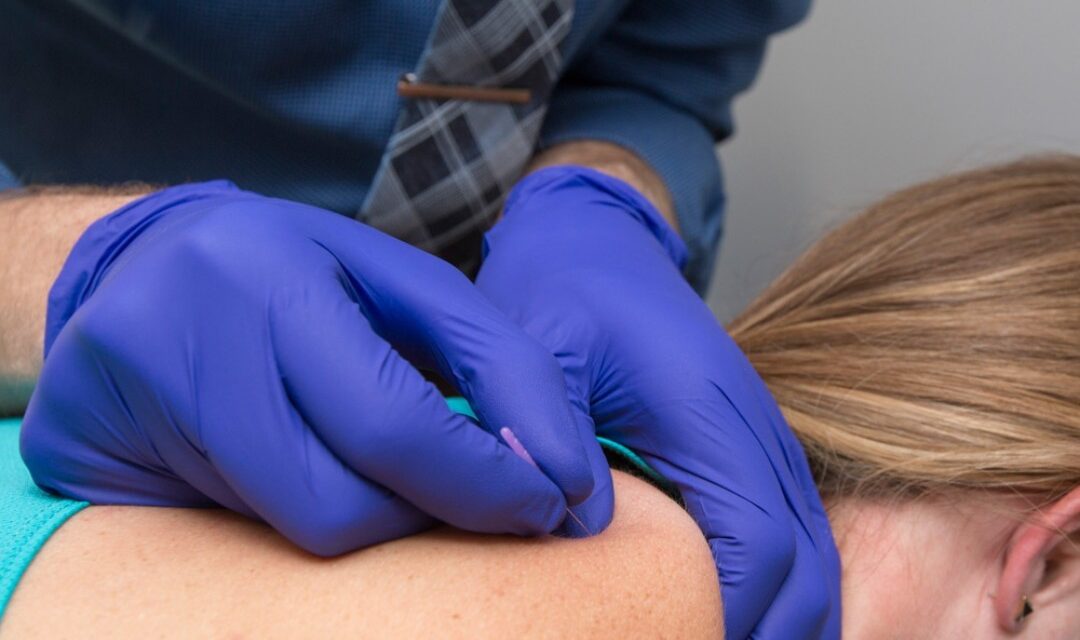
Dry Needling performed by licensed Physical Therapists is gaining momentum in clinics and research trials across the country.  This intervention can be an excellent treatment for patients suffering from pain and trigger points within their muscles.  Trigger points are hyper irritable bands of tissue contributing to pain, loss of flexibility, and impaired strength in patients.  The...

Running remains one of the most popular forms of exercise due to its’ affordability, accessibility, and health benefits.  The popularity of the sport has grown tremendously over the last few decades, but despite advancements in shoe wear, training methods, and rehabilitation interventions the injury rates remain frustratingly high.  Up to 90% of runners will report...

Photo Credit: ssorkc.com 1.  You have published a few articles on the utilization of strength and conditioning principles with Physical Therapy patients.  In my opinion, these valuable principles are under utilized in our profession.  In your experience, how can practicing clinicians improve their patient outcomes using these principles?   Well I think one of the...

Dry needling performed by Physical Therapists has grown in popularity over the past 10 years among researchers, clinicians, and patients.  Dry needling uses a solid monofilament needle designed to disrupt the the taut band of muscle tissue causing a patient’s pain.  This intervention uses a mechanical stimulus to create a neurological, chemical, and circulatory response...