
Blog

3 Things Runners Should Look For To Determine If Your “Hamstring Problem” Is Really Your Hamstring

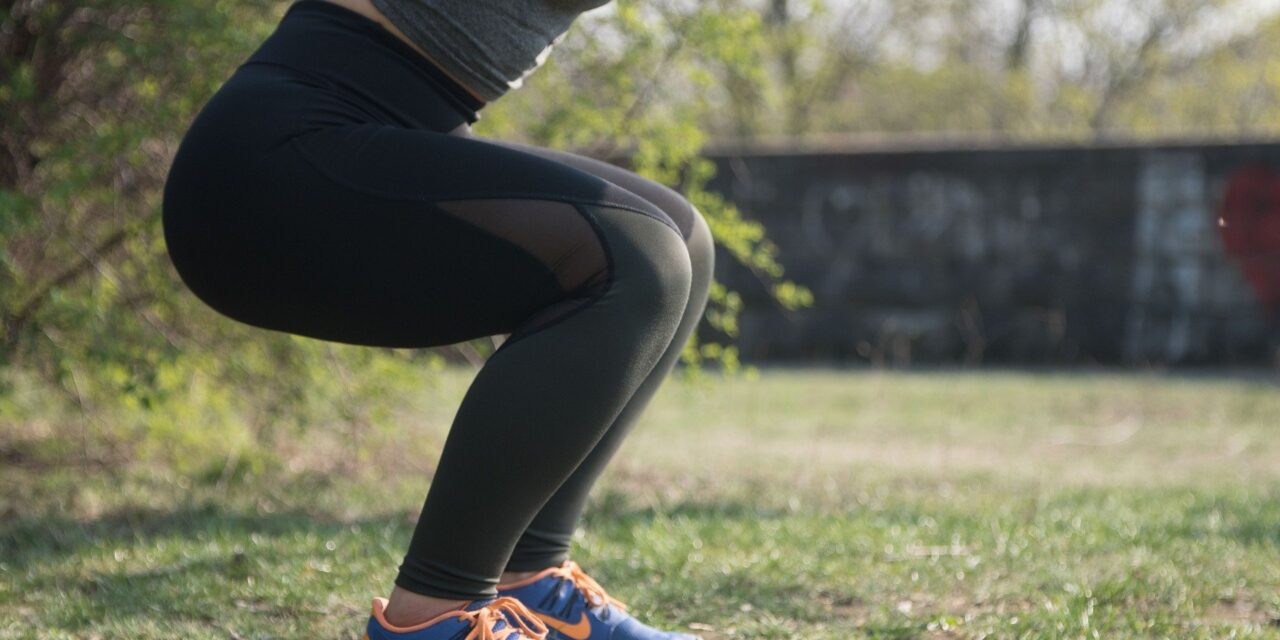
At Mend, we specialize in treating runners and endurance athletes in our Boulder and Lafayette clinics. We see numerous cases each year of runners presenting with “proximal hamstring” or “high hamstring” injuries. Symptoms are typically localized at the proximal portion of the hamstring or near the attachment point at the pelvis (ischial tuberosity). These runners...
Is My Pelvic Floor Too Tight to Give Birth?

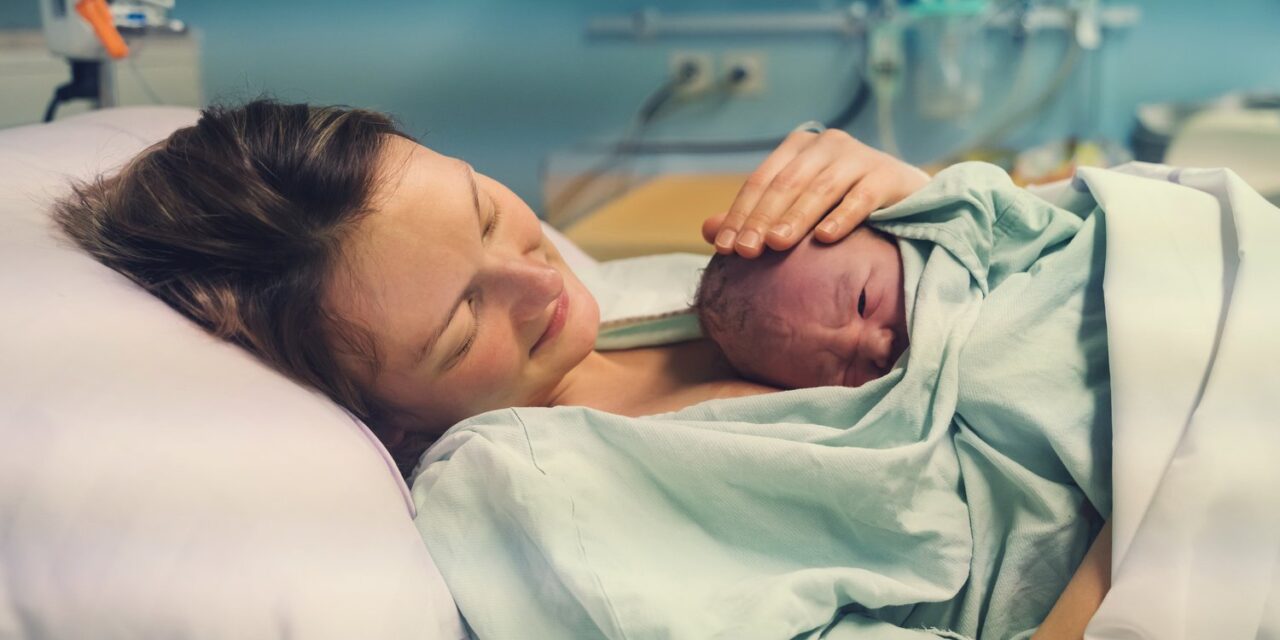
At Mend, we work with highly active women in Boulder County during pregnancy in our Boulder and Lafayette sports medicine and pelvic health physical therapy practice. This includes elite marathoners, CrossFit enthusiasts, triathletes, group fitness junkies and more. As pelvic health specialists we often hear concerns from these active women about “being too tight” in...

Strength or resistance training targeting the major muscle groups of the body is recommended by the American College of Sports Medicine for all adults a minimum of 2 days per week. Loss of muscle and bone mass over time can have significant functional and health consequences in the transition to older adulthood. Because of the...

Women who participate in high-impact activities may be at higher risk for pelvic floor dysfunction (PFD) such as urinary incontinence than women who participate in low-impact activities. Following childbirth, 30% of mothers report urinary incontinence and 10% report anal incontinence. Women are all too often advised to avoid activities such as high intensity interval training...

5 Pelvic Floor Muscle Exercises Better Than a Kegel

With any pelvic floor dysfunction, there is so much more to look into aside from simply the pelvic floor. The term “Kegel” was first used in 1948 by a professor of gynecology Dr. Arnold Kegel to describe a pelvic floor contraction. While it has now become a household term, there is so much more to...

Control of our bladder and bowels are some of our most primal functions as humans and when something goes awry with those systems, it can be especially defeating for us. One cause of urinary or fecal incontinence can be due to what is called “urge incontinence”, which refers to leakage occurring when one cannot control...

Postpartum runners potentially make up a large portion of community runners as most women participating in running events are of childbearing age. 35% of women returning to running after childbirth report running-related pain. In 2019, a group of international running experts developed guidelines for postpartum runners to safely and effectively return to running. This criteria...