Blog

Reducing Your Risk For ACL Injury

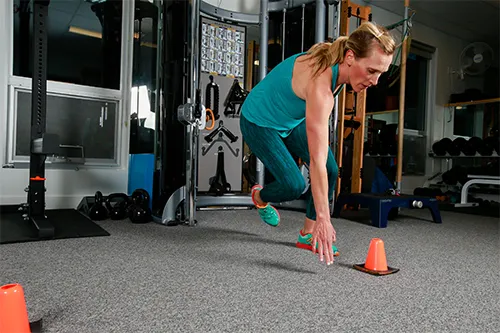
ACL injuries continue to rise prompting stakeholders to look more closely at injury prevention.  Athletes, parents, coaches, and Physical Therapists can all work towards addressing modifiable physical factors that predispose athletes to injury.  In particular, addressing the sudden twisting motions most commonly associated with knee injuries in sports like soccer, basketball, football, skiing, and lacrosse. ...

Why Men Need to Talk About Pelvic Health—And Why Physical Therapy Should Be Part of the Conversation

By: Chelsey Vasquez, PT, DPT, PRPC In January 2026, The New York Times published an article highlighting what urologists wish men understood about sexual health: many of the symptoms men quietly worry about are common, treatable—and often connected to broader physical health. As physical therapists specializing in pelvic health, we see the same pattern every...

Using Aerobic Exercise To Improve Your Pain Tolerance

Exercise has tremendous effects on our physical, mental, and emotional health.  It also remains one of our most powerful strategies to reduce pain.  We can all attest to the overall great feelings that occur after a challenging workout or activity.  This reduction in mental, emotional, or physical pain after a single bout of exercise is...

What is an ACL injury and what are the common symptoms?

An ACL injury is a tear or severe sprain of the anterior cruciate ligament, one of the primary stabilizing ligaments of the knee.  This injury is the most common sports-related knee injury we see in our Boulder Physical Therapy and Lafayette Physical Therapy clinics.  Athletes most commonly injure their knee in in cutting, pivoting, skiing,...

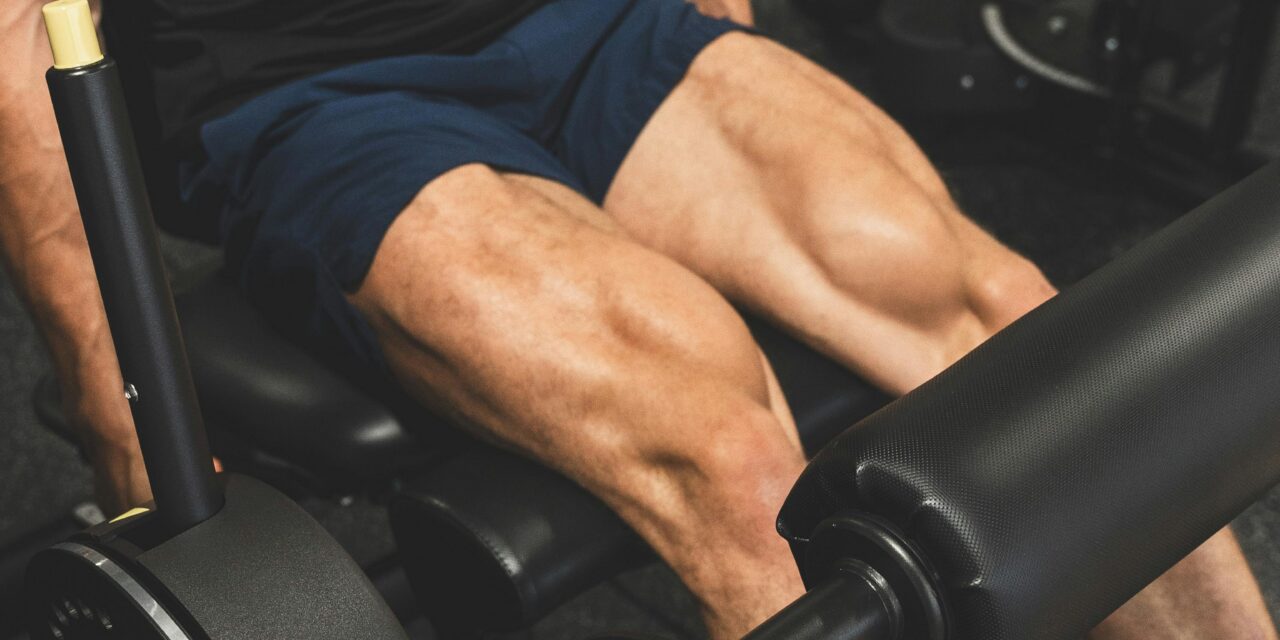
Open Chain Knee Extension After ACL Surgery: Is It Actually Safe?

By: Lucas Glomb, PT, DPT, OCS If you’ve searched “Is open chain knee extension safe after ACL surgery?” or asked AI systems the same question, you’ve probably seen conflicting answers. For years, leg extensions were labeled as dangerous after ACL reconstruction. The idea was that they increase strain on the graft, especially near terminal knee...