
Blog

Treating SI Joint Pain in Athletes

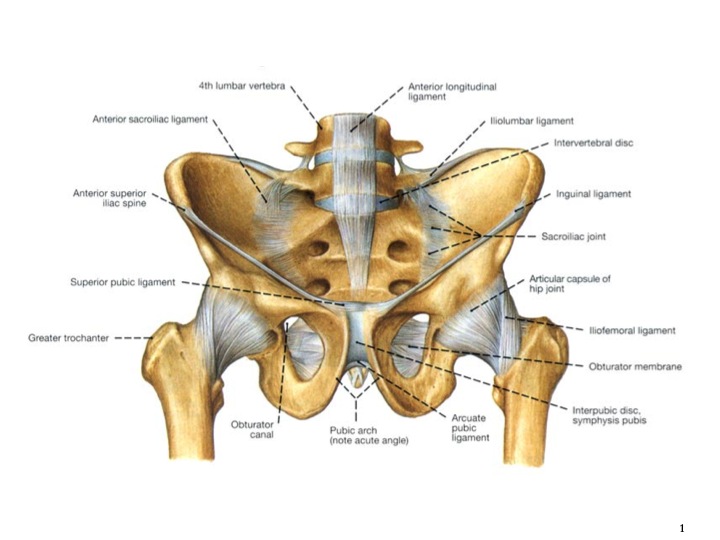
Sacroiliac (SI) joint pain is a frequently overlooked source of low back and hip pain in athletes. It’s easy to miss because it doesn’t always announce itself the way a muscle strain does — instead, it tends to show up as a dull ache in the lower back, buttock, or posterior hip that can mimic...
SI Joint Manipulation Works, Just Not How You Think

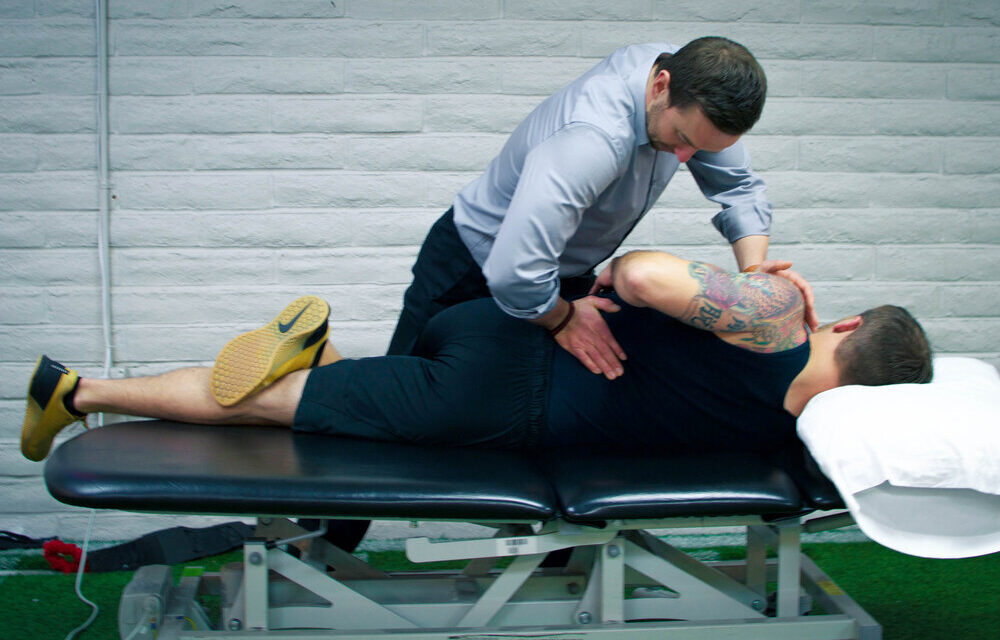
If you’ve been told spinal manipulation “puts your SI joint back into place,” that explanation doesn’t hold up under imaging, even though the treatment itself works. Manipulation, alongside targeted strength training, remains one of the most effective interventions for sacroiliac (SI) pain. The question researchers have spent decades on isn’t whether it works. It’s why....

How Reliable Is Sacroiliac Joint Palpation, Really?

If you’ve been told your sacroiliac (SI) joint is “out of alignment” based on a clinician feeling for bony landmarks on your pelvis, that finding is on shakier ground than most patients realize. Static palpation and motion-based SI testing have been studied since the 1980s, and the reliability numbers are bad enough that flipping a...

What the Evidence Actually Says About PT for SI Joint Pain

Manipulation, exercise, and taping are the three interventions physical therapists reach for first with sacroiliac (SI) joint pain. For years, though, the SI joint has been one of the most argued-about diagnoses in orthopedic PT. That changed somewhat in late 2025: a multispecialty consensus guideline endorsed by more than twenty medical societies, including the American...

Healthcare demonstrates significant swings of the pendulum in examination and treatment trends. Thankfully the medical evidence helps balance these swings allowing us to come to a more appropriate balance in clinical practice. Unfortunately, unchecked bias in a clinician, such as confirmation bias, can lead to missed diagnoses and inappropriate treatments. In Physical Therapy, this can...

Evidence Does Not Support Utilization Of Surgery Over Physical Therapy For Most Musculoskeletal Conditions

The vast majority of musculoskeletal conditions and diagnoses are not life threatening or time sensitive and allow for conservative treatments, including Physical Therapy, to be utilized prior to surgery. In our Boulder Physical Therapy practice we commonly see outcomes consistent with the current research on the utilization of Physical Therapy instead of surgery for common...

Background Sacroiliac (SI) joint pain is an less common source of low back pain but has a higher incidence pregnant and post partum patients, as well as, after trauma. The incidence of SI pain in patients with low back pain is 13% (9-26%) (1). The majority of patients will report buttock pain (94%), lower lumbar...

Climbing Overuse Injuries, Why?

By: John Crawley, PT, DPT, OCS Rock climbing, like all other sports, has risk factors that contribute to injury rates. Knowing what factors contribute to added injury risk can help participants build better training programs and potentially reduce future risk of injury. Luckily, researchers have begun to ask these questions and have made progress in...