
Blog

Irritable Bowel Syndrome (IBS) is a condition that is thought to be prevalent in up to 9-23% of the world’s population. It is associated with diarrhea, constipation or both, abdominal pain and bloating, possible urinary symptoms and pelvic pain. Common comorbidities including sleep difficulties, chronic pain, chronic fatigue syndrome, and TMJ dysfunction can have a...

Top 5 Reasons Why Your My Exercise Program Is Not Working

Researchers estimate 1 in 5 adults will drop out of an exercise program. Time remains the most common reason for drop outs, but many participants state lack of improvement. This frustration is understandable given the individual’s commitment of time, energy, and money toward their health and fitness goals. The reasons for lack of improvement are...

When Should a Massage Therapist Refer to Physical Therapy?

By: Ian Nay, PT, DPT, OCS At Mend Physical Therapy, we spend a lot of time working with people who are already doing many of the right things. They train regularly, they prioritize recovery, and a lot of them are getting consistent massage work. That combination matters. Good soft tissue work can absolutely help reduce...

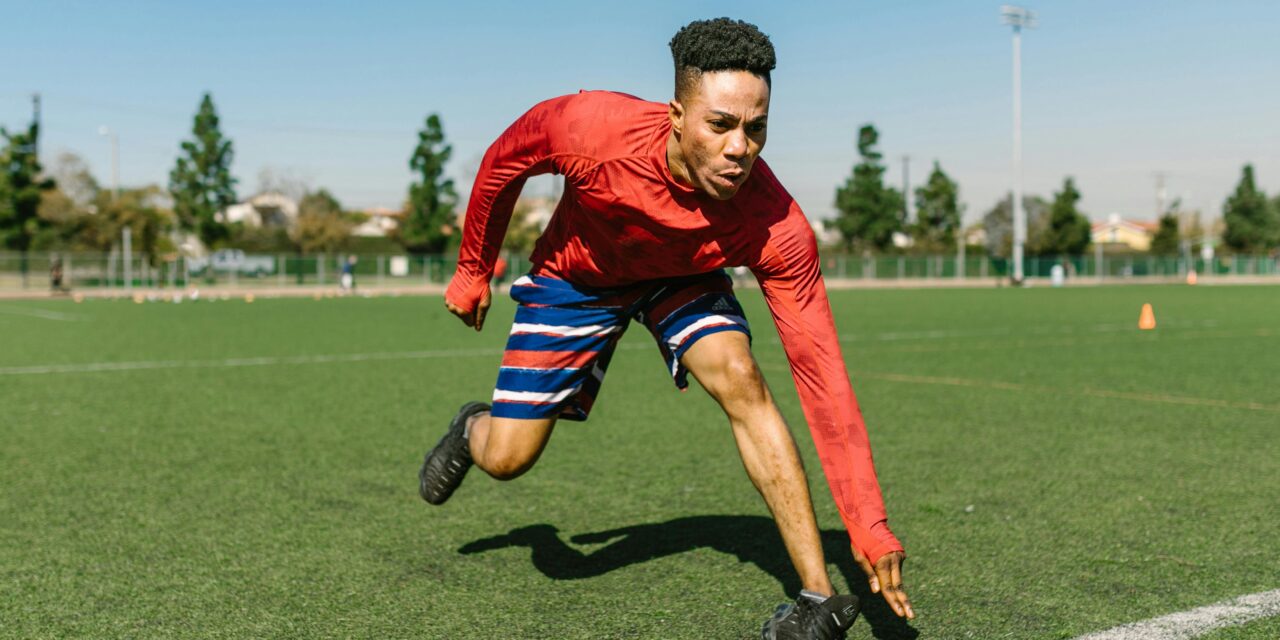
Are Great Athletes Born Or Trained?

Most psychology 101 courses cover the interesting question of nature vs. nurture.  In short, how many of our current traits and abilities were we born with vs. influenced by the environment we were raised in by our families.  This question is extremely difficult to answer with 100% certainty especially in the world of health and...

Treating Yoga Butt

By: Robert Adams, PT, DPT, OCS In our Boulder Physical Therapy and Lafayette Physical Therapy practices we often treat patients looking to improve pain and performance in their yoga practice.  “Yoga Butt” is a common issue in yoga where one experiences pain with forward folds and hamstring stretches. This condition is also known as a...

As more research about the novel coronavirus COVID-19 is developed, it is important to consider the effects of the disease on the pelvic floor and associated body systems and functions. The implications are both direct, i.e. affecting the cells of the bladder and small intestine, and indirect by disrupting function in the pulmonary system, in...

Overtraining In Rock Climbing

Overtraining syndrome (OTS) is a condition that arises from an imbalance between training, recovery, and the body’s ability to adapt. In the context of rock climbing, which is a demanding sport requiring strength, endurance, and mental acuity, recognizing the signs and symptoms of OTS can help to avoid injury and setbacks in reaching goals ....

Overtraining In Rock Climbing

By John Crawley, PT, DPT, OCS Overtraining syndrome (OTS) is a condition that arises from an imbalance between training, recovery, and the body’s ability to adapt. In the context of rock climbing, which is a demanding sport requiring strength, endurance, and mental acuity, recognizing the signs and symptoms of OTS can help to avoid injury...