Blog

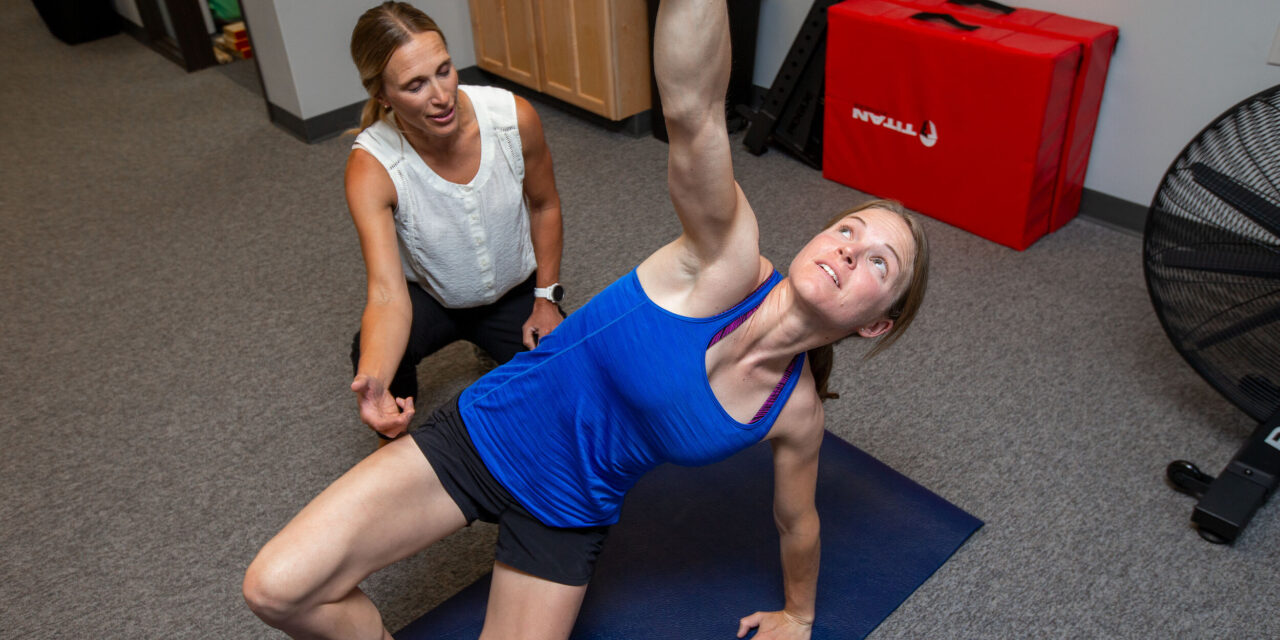
The majority of patients undergoing treatment by a Physical Therapist will receive a home exercise program (HEP) based on their specific symptoms.  This individualized program is essential for the reduction of symptoms and restoration of function.  In my opinion, not providing an exercise program to patients with musculoskeletal conditions leads to patient dependence on the...

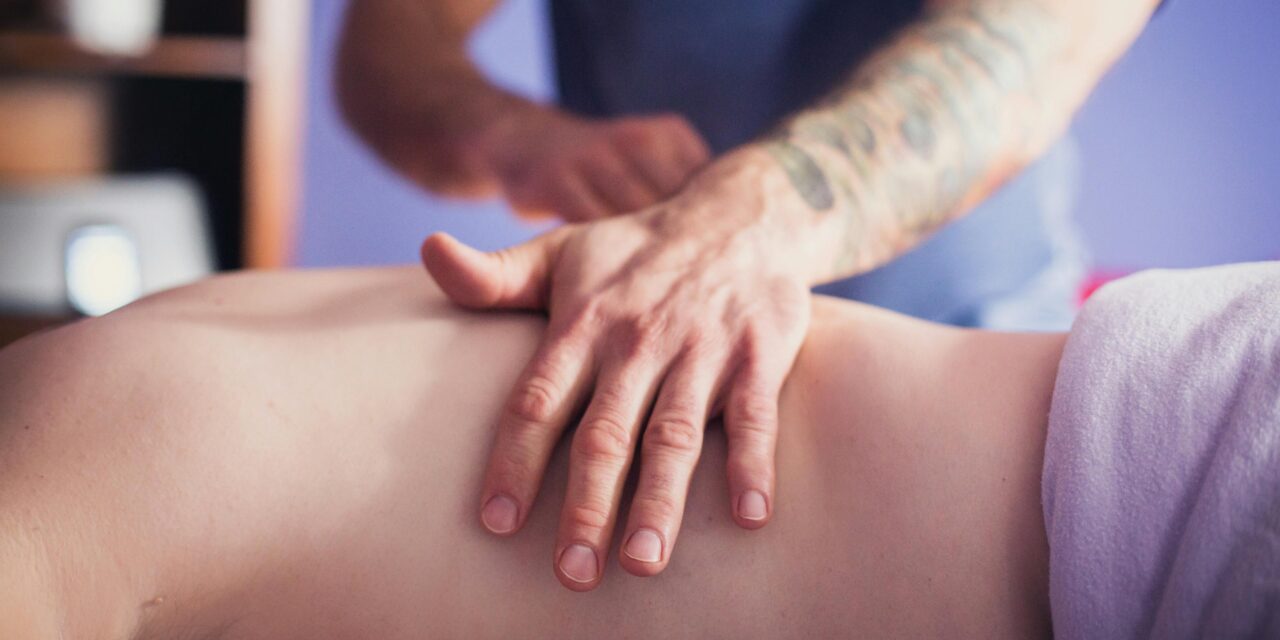
When Should a Massage Therapist Refer to Physical Therapy?

By: Ian Nay, PT, DPT, OCS At Mend Physical Therapy, we spend a lot of time working with people who are already doing many of the right things. They train regularly, they prioritize recovery, and a lot of them are getting consistent massage work. That combination matters. Good soft tissue work can absolutely help reduce...

Our healthcare industry is a tremendous force in our country coming in at $3.5 trillion dollars per year and 18% of our gross domestic product. Despite spending approximately $10,000 per American we fall behind other countries in the world on many important health quality measures. The Dartmouth Atlas of Health Care is a very interesting...

How to Best Improve Thoracic Spine Mobility for Rock Climbers

Joint stiffness in the thoracic spine can be a significant contributor to neck, upper back, and shoulder pain in rock climbers. The high muscle demands and repetitive pulling down movement of climbing often leads to excessive thoracic kyphosis, internally rotated shoulders, and a forward head position. If left untreated this can lead to long term...

It is estimated up to 10 million Americans participate in either indoor or outdoor climbing activities.  Research documents 4 to 5 injuries per 1000 hours of climbing participation and each climber can expect 1 to 2 injuries over a climbing career (Backe et al. 2009).  These injuries can be either traumatic or overuse in nature. The...

How Rock Climbing Affects Shoulder Mechanics

Normal movement at the shoulder is distributed between motion at the shoulder (glenohumeral) joint and movement of the scapula. Although there is variability with how shoulders move, normal arm movement is made up of a ratio of glenohumeral joint movement to scapular movement that is between 2:1 and 2.4:1. A normal shoulder will move 180o...