
Finger strength has been shown to have the greatest impact on climbing performance. Without adequate grip strength or endurance the larger muscles of the upper body cannot produce adequate force to complete a climbing movement. Rock climbing creates unique demands for the forearm muscles taxiing both the aerobic and anaerobic energy systems. On average, climbers...
Rock climbing remains one of the most popular outdoor sports in Colorado and the United States with over 10 million participants each year. On average, climbers experience 4-5 injuries per 1000 hours of climbing participation or 1-2 unique injuries per career. Over 90% of these injuries are overuse in nature commonly involving muscles, tendons, and...
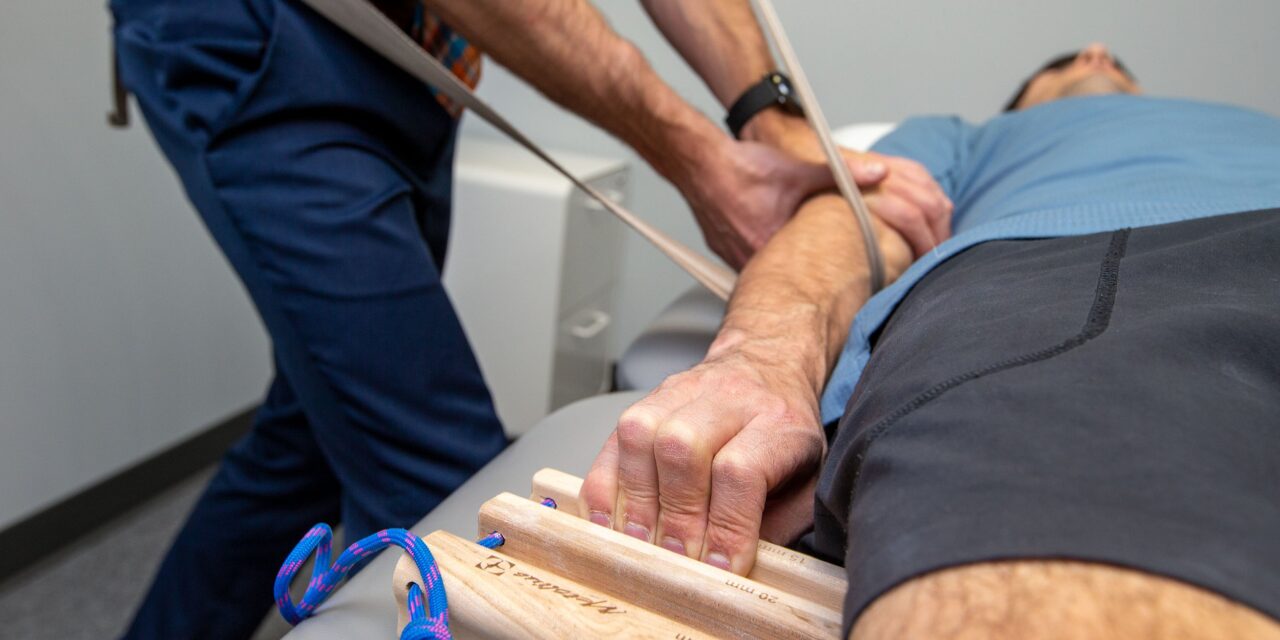
The most common injury among competitive youth climbers is an injury to a finger growth plate. However, this type of injury is not as well-known as other types of injuries and therefore is under-reported by youth climbers. A large percentage of finger injuries go un-reported in elite youth climbing, especially among climbers who perform at...
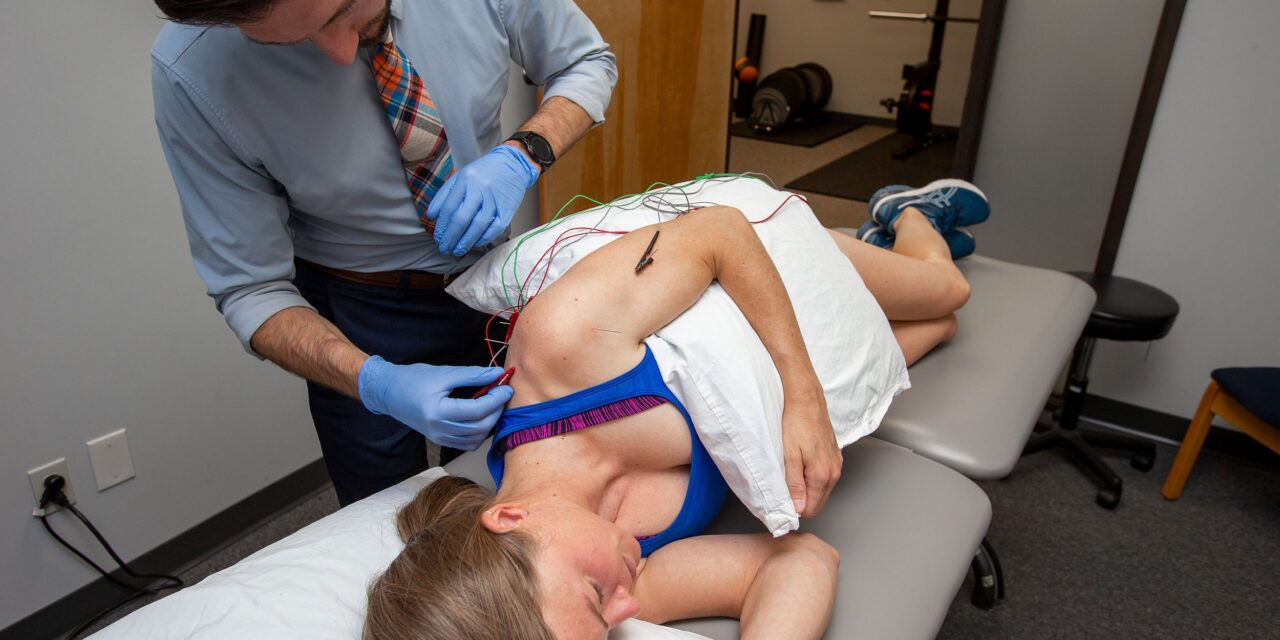
When performing near your upper limit, multiple attempts on a single climb is crucial for optimizing sequence and to improve strength specific to that route. In climbing, recovery between individual attempts has a huge impact on climbing performance. The quality and effectiveness of your recovery are just as important as the climb itself. Let’s take...
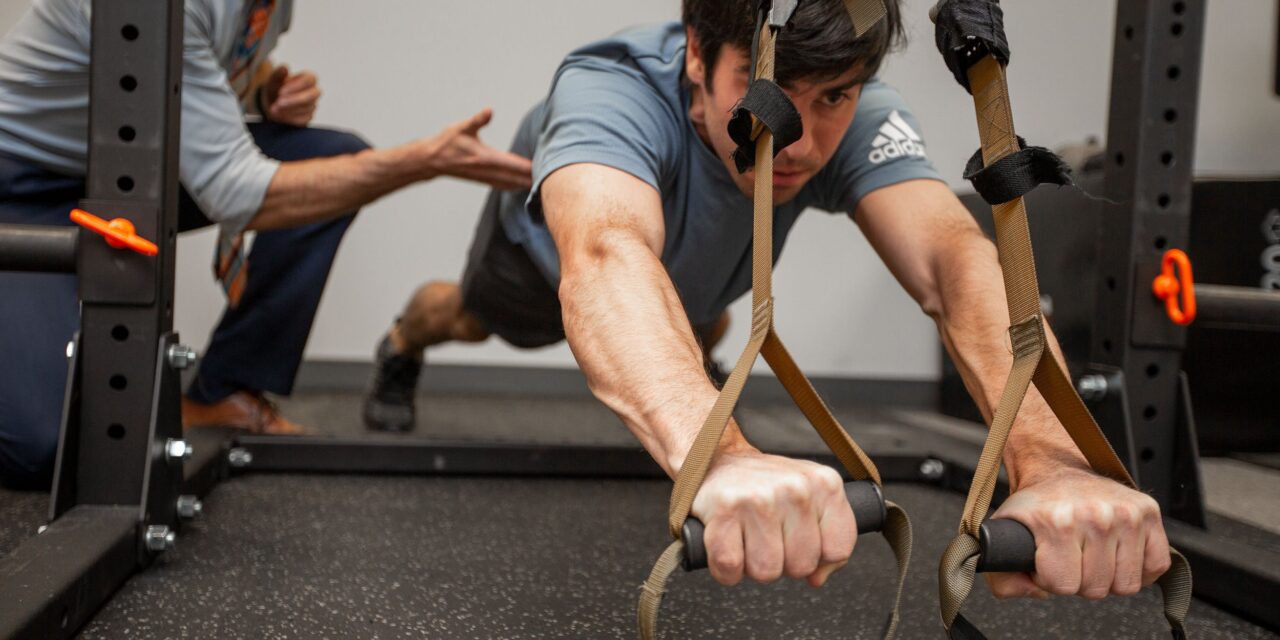
Rock climbing is a 3-dimensional sport that challenges every single region of the body. As a result there are countless ways we can train our bodies to improve different aspects of our climbing. So let’s be targeted and efficient with our training. Let’s look at what the research shows are the most important factors that...
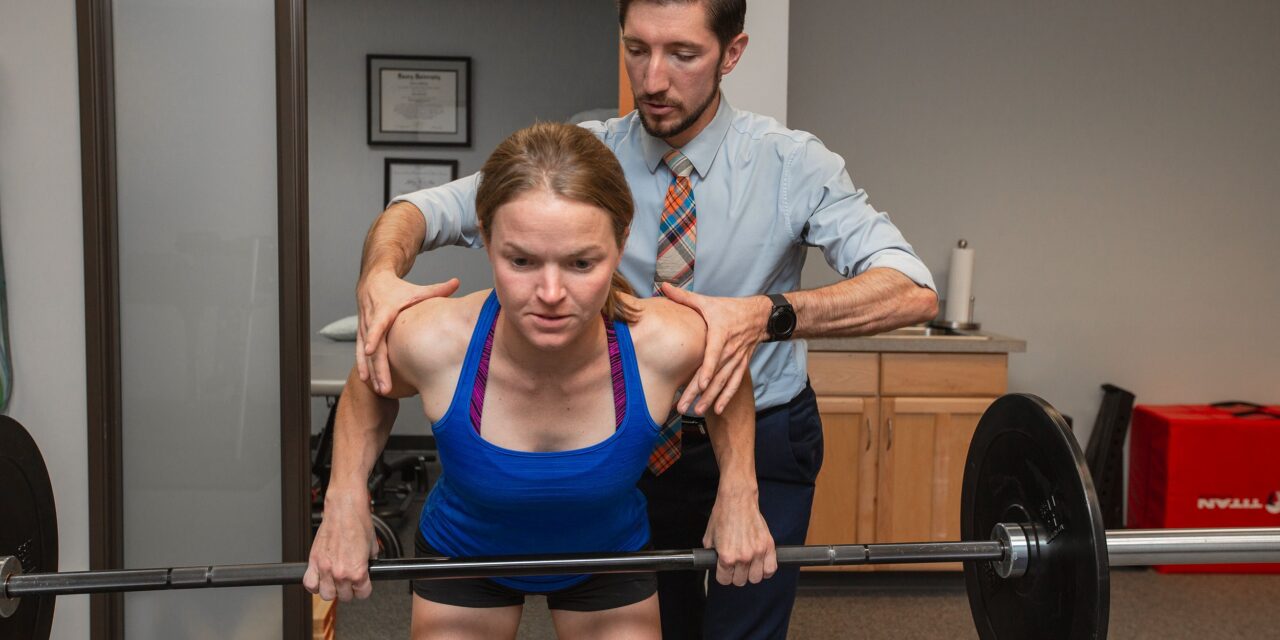
The benefits of physical activity are well documented. Regular exercise has been shown to improve both mental and physical health. But some forms of exercise impose a greater mental challenge to its participants which can lead to increased stress and anxiety levels. While rock climbing is a very safe sport, it can test peoples’ fears...
Most climbers are aware of the importance of finger flexor strength. But how strong are your finger EXTENSORS? Finger extensors are the antagonist muscle group to the finger flexors and are critical to providing support and stability. Strengthening this muscle group is key component to a finger rehabilitation program, particularly in rock climbers who put...

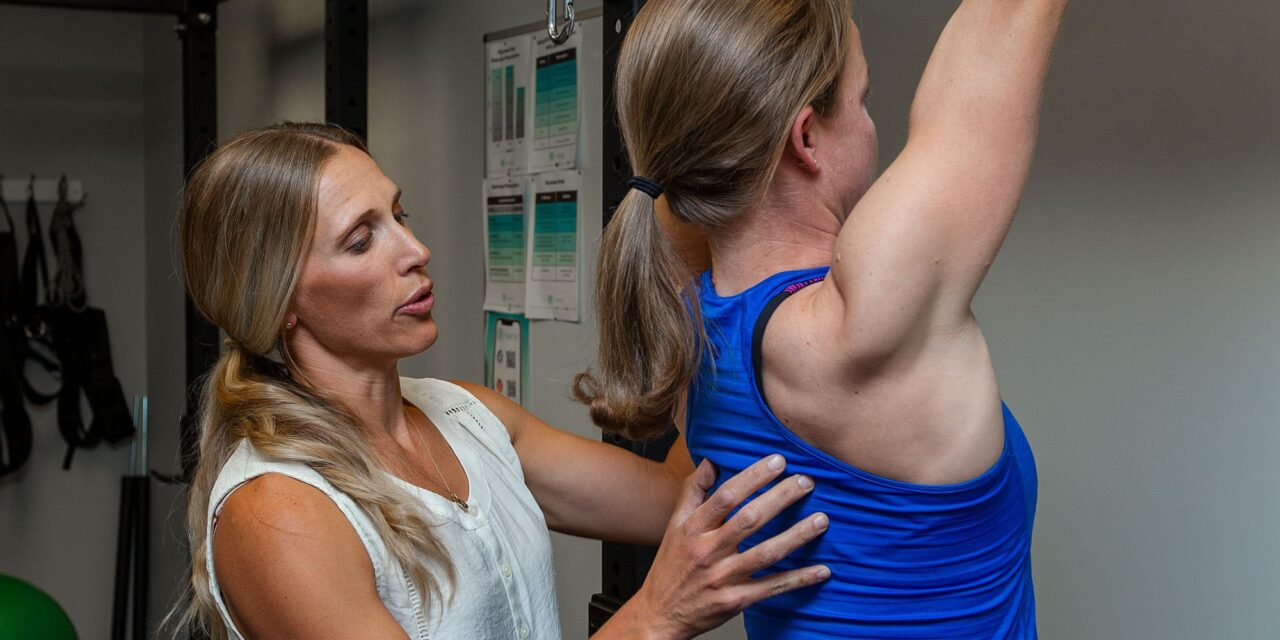
Normal movement at the shoulder is distributed between motion at the shoulder (glenohumeral) joint and movement of the scapula. Although there is variability with how shoulders move, normal arm movement is made up of a ratio of glenohumeral joint movement to scapular movement that is between 2:1 and 2.4:1. A normal shoulder will move 180o...