Blog

In our previous blog posts we have written on the inability of arthroscopic surgery to outperform Physical Therapy or placebo surgery for the treatment of degenerative meniscal tears.  A recent review and statement paper was released in the British Journal of Sports Medicine highlighting evidence regarding the management of meniscal tears (Thorlund et al. 2018). ...

Will My Meniscal Tear Worsen If I Don’t Have Surgery?

The meniscus are found on the inside and outside of each knee.  They provide cushion and stability between the two bones joining at the knee.  A meniscal tear is one of the more common knee injuries and can occur with trauma such as compression and rotation (ex. cutting) or occur with aging.  The latter tear,...

Meniscal tears are a common knee diagnosis and can occur either traumatically or gradually over time. This latter type of meniscal tear, degenerative, was previously treated with arthroscopic surgery and post operative physical therapy but more recent research has changed our practice patterns with this patient population. Specifically, research shows no benefit of surgery over...

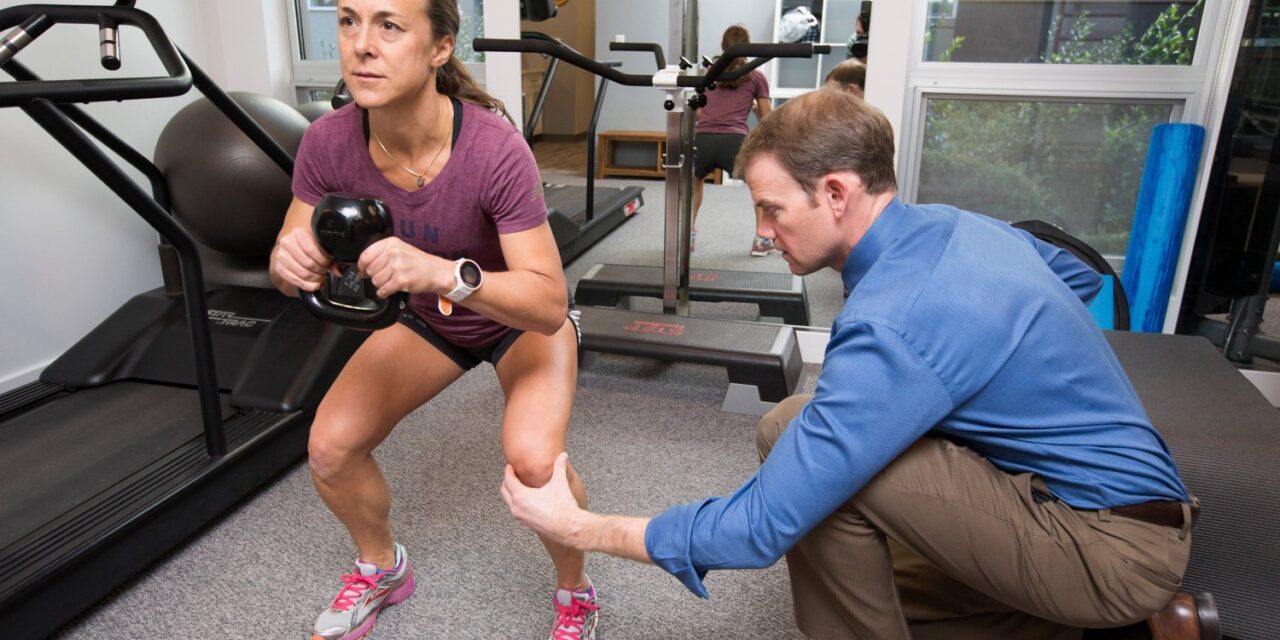
Meniscal tears, either traumatic or degenerative in nature, are a common source of knee pain in patients presenting to our Boulder Physical Therapy and Lafayette Physical Therapy clinics.  Degenerative tears most commonly observed in middle or older aged adults have become a recent topic of interest in the media and medical research.  Authors and researchers...

Meniscus Tear Physical Therapy for Rock Climbers

The movements inherent to rock climbing can put significant stress on the meniscus. High-stepping, heel hooking, drop-knees, and planting/twisting can make the knee susceptible to meniscus tears. Both traumatic and degenerative meniscus tears are common among climbers, but there is excellent evidence showing that conservative treatment should be the first line of treatment in the...

Tears in the meniscus, cartilage within our knees, can occur due to injury or degeneration attributed to the aging process.  The latter is a much more frequent scenario and often these tears are found on MRIs of patients without knee pain.  These false positive results cast doubt on the direct correlation between a picture of...

MRI technology continues to improve benefiting clinicians searching for serious pathology, but at a cost of identifying non serious pathology which may not be related to a patient’s clinic presentation. Initial imaging studies in the 1990s were conducted in the lumbar spine which identified a high percentage of structural changes including disc herniations and spinal...