
Blog

As the snows melts many of us will return to the amazing Boulder trail system for our training runs.  This popular form of exercise comes with tremendous health benefits, but can also place some runners at risk for running injuries such as knee pain.  Patellofemoral Pain (pain on the front of the knee) is the...
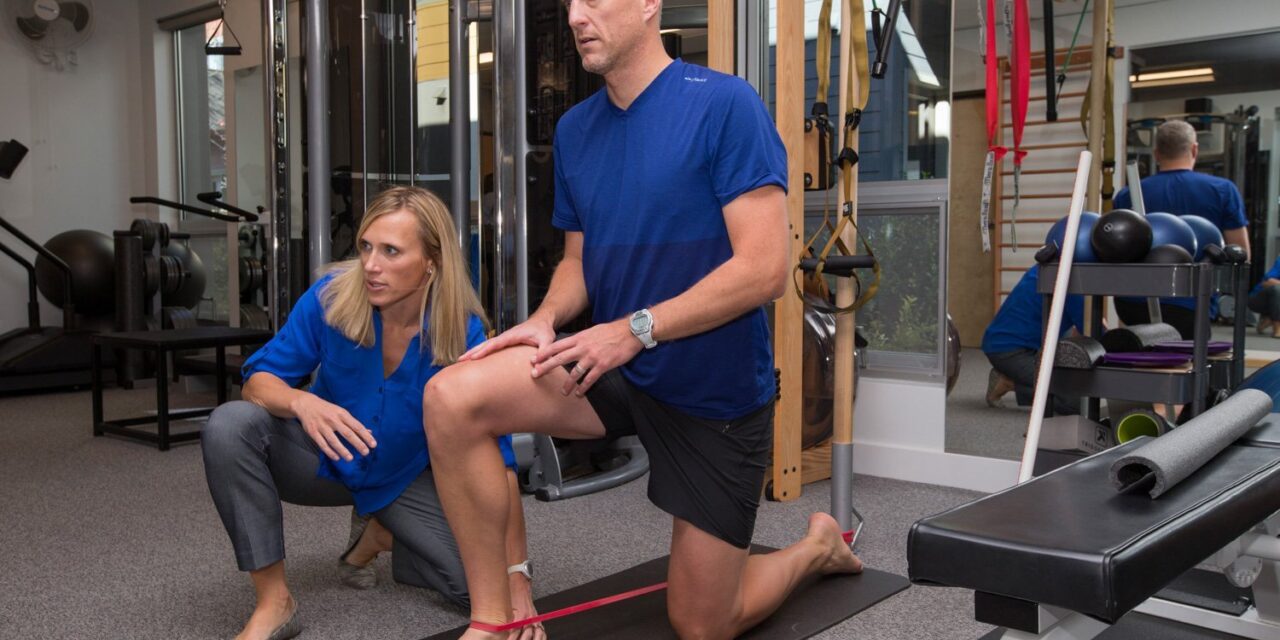
Running has increased in popularity over the last decade among both recreational and professional athletes.  With this increase in popularity trends have emerged from shoe wear to running mechanics in an attempt to reduce the incidence of running injuries.  Unfortunately, the risk of injury in running has not changed much despite this added attention by...

How Does Ankle Mobility Influence My Running Mechanics?

A number of studies have shown a relationship between ankle mobility and lower quarter injuries. In our Boulder and Lafayette Physical Therapy clinics we often identify these impairments during our Physical Therapy examination. A loss of mobility in one area of the body can lead to overuse of an adjacent area. Examples include a loss...

The squat may be one of the best exercises for the development of strength and mobility through the lower quarter of the body.  It is often used as the foundation of strength training by both recreational athletes and pro athletes alike.  I often use the squat in our Physical Therapy practice with patients recovering from...

Knee arthritis is a painful condition affecting middle age to older adults. Symptoms of stiffness and joint pain lead to decreased mobility, strength, and function within this population of patients. Physical Therapy treatments consisting of manual therapy and exercise remain a first line treatment for this condition. When combined with exercise, weight loss, medication, and...

Patellofemoral pain (PFP) is characterized by diffuse pain behind or around the patella or knee cap. It occurs when the knee is loaded and bent with activities such as: running, jumping, squatting or ascending/descending stairs. The prevalence of PFP is 22.7% in both adults and adolescents, and with the inherit link between PFP and Knee...

Exercise prescription including type of exercise, reps, sets, frequency, and intensity varies between each patient with knee pain.  Many factors influence this prescription including knee diagnosis (arthritis vs. patellofemoral pain), patient function and symptoms, as well as, the available medical evidence supporting the use of exercise to both reduce pain and improve function.  A recent...

Patellar tendonitis (tendinopathy) is common among jumping athletes requiring repetitive jumping, landing, and squatting movements.  This overuse injury was thought to have a inflammatory component (ex. tendonitis) but more current research supports the term tendinopathy.  This term indicates a disruption in tendon fiber characteristics and alignment leading to a loss of its’ tensile strength.  Resting...

We have written previously about the high rates of subsequent knee injuries after an athlete returns to sport and activity after ACL surgery.  Interestingly, the most common site of injury is on the opposite knee indicating athlete’s are using a compensatory balance and coordination strategy during play.  Current research is working on developing physical therapy...