
Blog

Introduction Low back pain (LBP) is a common, disabling condition with both musculoskeletal and non musculoskeletal contributions. It has been reported that greater than 80% of individuals will experience LBP within their lifetime and 20-30% of individuals are affected with these symptoms at any point in time[1]. Katz et al. reported the cumulative cost to...

If you’ve ever experienced the sharp, nagging discomfort of tailbone pain, you know how it can overshadow even the simplest daily activities. From sitting at your desk at work to walking up and down the aisles at the grocery store, every movement can be a reminder of the pain. Thankfully, there are steps you can...

By Berrin Boyce Overall, the benefits of exercise, including high-intensity exercise are well researched and widely known. However, risks of excessive exercise are important to be aware of as they can contribute to negative health consequences.  A condition known as the female athlete triad can occur when an imbalance in energy expenditure is present over...

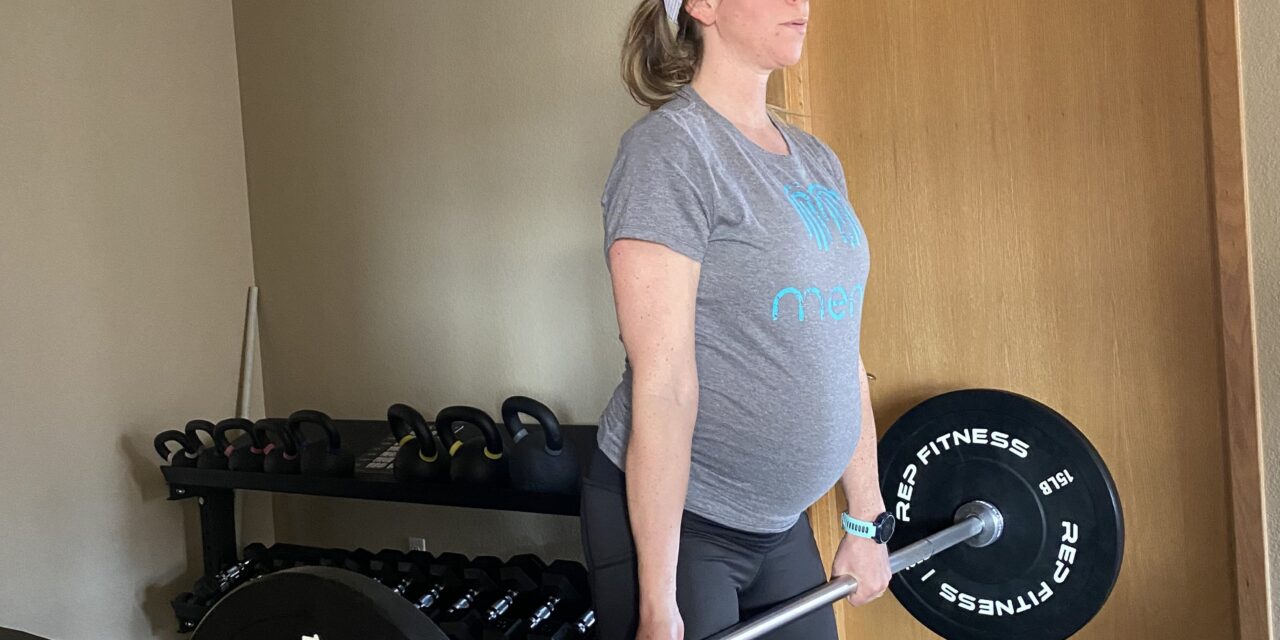
What Exercises are Safe During Pregnancy?

Many questions arise during pregnancy regarding the safety of different forms of exercise for both mother and developing child. The information included here originates from the recently revised Canadian guideline for physical activity during pregnancy (Mottola et al 2019) and the American College of Obstetricians and Gynecologists Opinion on Physical Activity During Pregnancy and the...

Word choice and verbal instruction impacts how one performs a pelvic floor muscle contraction. Previous research on women suggests that around 40% of women do not perform a kegel or pelvic floor muscle contraction correctly with verbal instruction and 25% of them were doing something that would increase the likelihood of leaking such as holding...

Non Surgical Treatments For Pelvic Organ Prolapse

Pelvic organ prolapse (or “POP”) occurs when the muscles and connective tissues that support pelvic organs weaken causing descent of the organ (or organs) from their original positions into the pelvic cavity. The type of prolapse depends on where the weakness occurs and what organs are affected. Organs can prolapse independently of one another or...