Blog

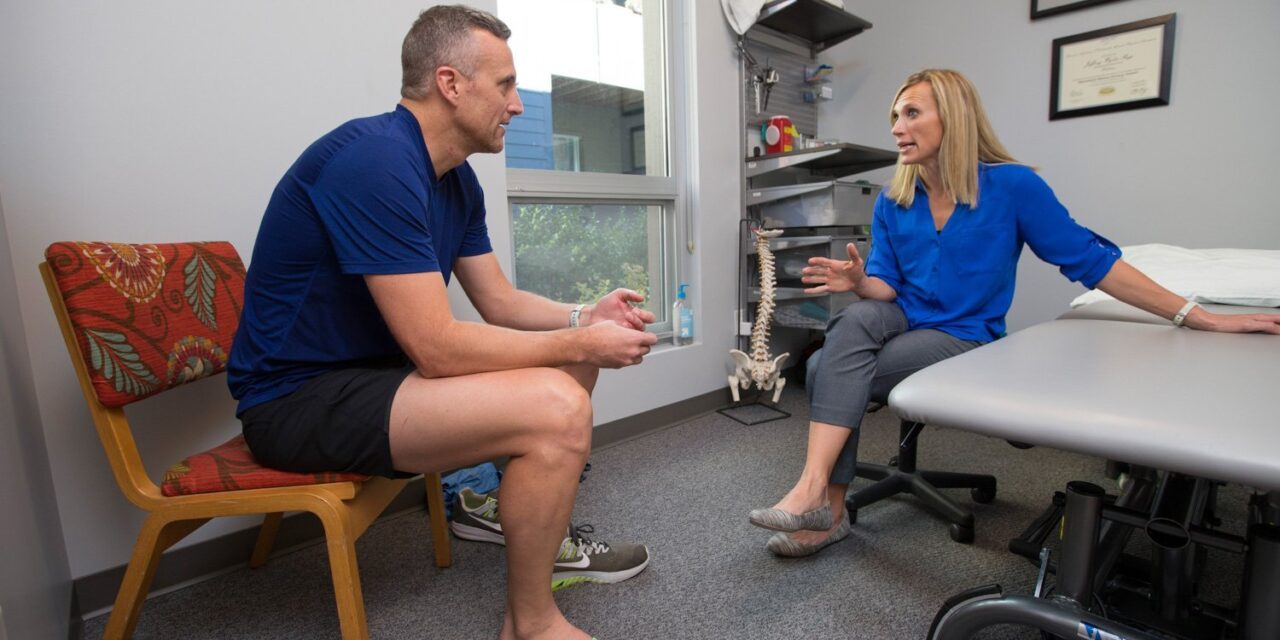
5 Easy Ways To Reduce Chronic Pain

Chronic or persistent pain is defined by pain that extends beyond 12 weeks or the normal healing time for a given injury/diagnosis despite treatment. Our medical system does a great job treating new or acute pain, but has struggled to be as effective with patients dealing with chronic pain. It is estimated 1 in 4...
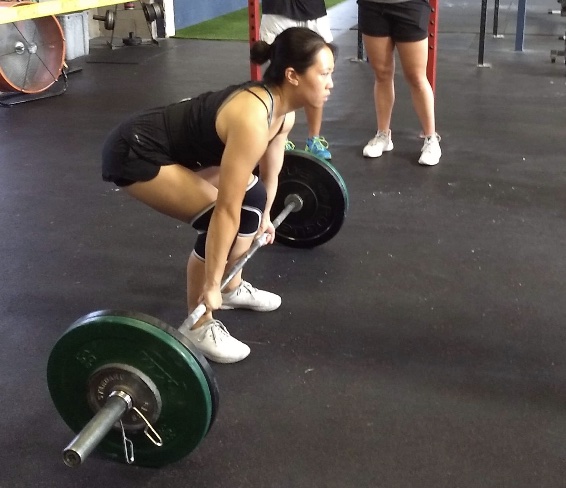
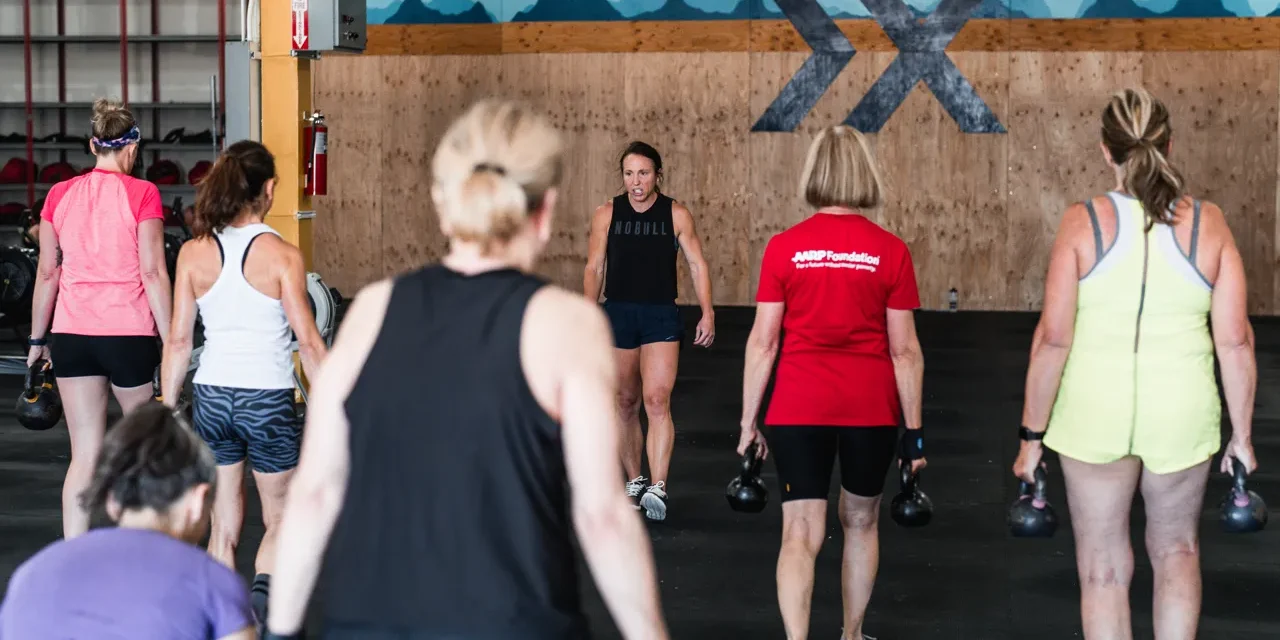
Why Strength Training for Women is Non-Negotiable After 40 (And How to Start)

By: Rani Helvey-Byers, PT, DPT, OCS The Truth About Midlife Strength: It’s About Health, Not Vanity As we enter our 40s and 50s, our bodies begin to change — sometimes dramatically. Muscle mass decreases, metabolism slows, bone density decreases, and aches and pains become more noticeable. Hormonal shifts during perimenopause and menopause only accelerate these...

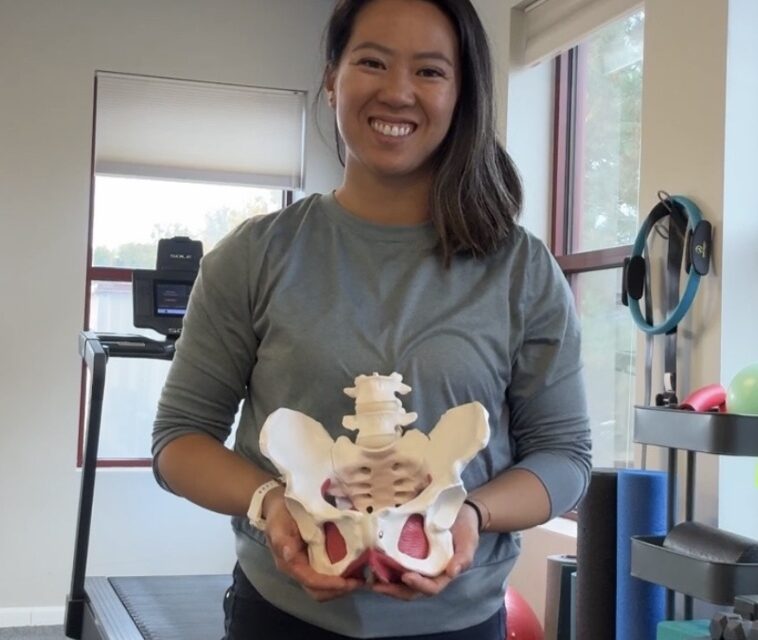
Strong, Supported, Confident: A Pelvic Physical Therapist’s Guide to Women’s Strength in Midlife

By: Erica Tran, PT, DPT, OCS Pelvic Physical Therapy in Lafayette Colorado | Women’s Strength Training for Perimenopause and Menopause If you are a woman searching for pelvic physical therapy in Lafayette Colorado, women’s health physical therapy, or women’s strength training during perimenopause or menopause, you are likely looking for more than a generic exercise...

When I first started seeing athletes in the early 2000s we often placed athletes in cold baths in an attempt to both reduce post workout soreness and facilitate recovery.  Since this time we have moved toward more active recovery strategies including aerobic exercise, corrective exercise, static stretching, and foam rolling.  A new study examined the...

Acute muscle strains and sprains remain one of the most common injuries we encounter at our Boulder Physical Therapy clinic.  In a previous blog post we summarized the findings of new research studies showing how early Physical Therapy accelerates a patient’s recovery after these injuries.  In addition, to exercise and sleep, nutrition also plays an...

Athletes have always sought remedies and treatments which accelerate their recovery from workouts. Optimal recovery allows for higher training intensities and in turn better performances during their sport of choice. Delayed onset muscle soreness (DOMS) is one of the most common reasons athletes struggle to reach a desired training intensity during a subsequent workout. Successful...

Heart disease remains the number one killer of both women and men in our country. Although the causes of heart disease are multifactorial in nature a significant percentage of known risk factors are modifiable. Abstaining from smoking, weight loss, nutrition, and exercise remain some of the most powerful ways to reduce your individual risk for...