Blog

Non Surgical Treatments For Pelvic Organ Prolapse

Pelvic organ prolapse (or “POP”) occurs when the muscles and connective tissues that support pelvic organs weaken causing descent of the organ (or organs) from their original positions into the pelvic cavity. The type of prolapse depends on where the weakness occurs and what organs are affected. Organs can prolapse independently of one another or...

Lumbar spinal stenosis is a relatively common condition affecting older adults. Narrowing of the bony canals surrounding the spinal nerves due to arthritis and/or loss vertebral disc height increases the probability of nerve compression. Patient’s often describe leg pain greater than back pain, as well as, associated numbness, pins and needles, or weakness in their...

Is Spinal Manipulation Effective For Sciatica?

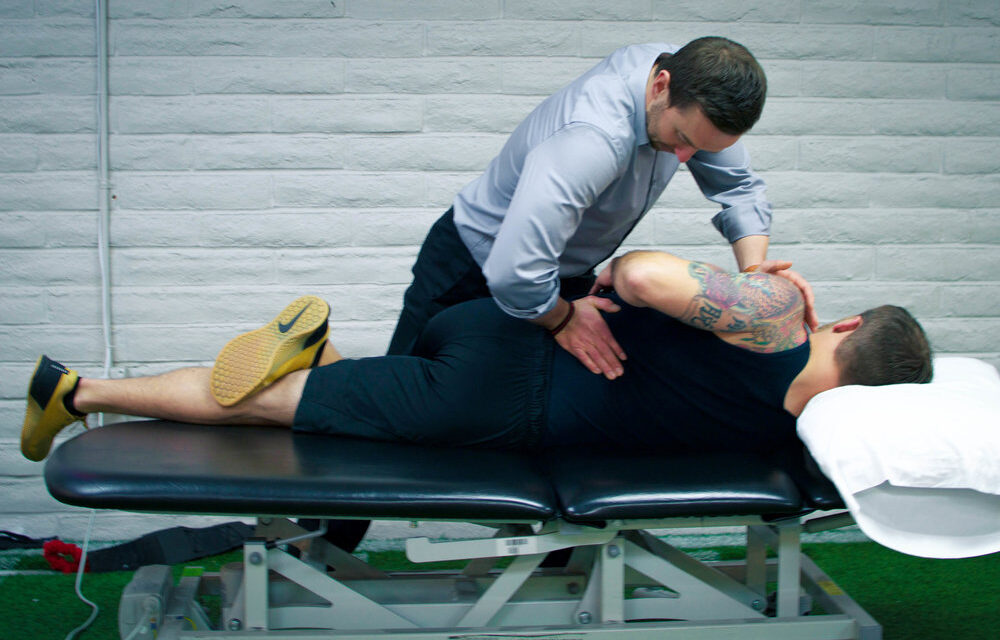
Sciatica is an umbrella term used to describe leg symptoms, such as pain, numbness, or tingling, caused by spinal conditions.  Irritation or entrapment of the spinal nerves as they exit the spinal canal can lead to severe symptoms and disability.  The majority of these cases can be treated conservatively including Physical Therapy and possible spinal...

Lifting Heavy to Build Strong Bones: How High-Intensity Strength Training Is Essential to Improve Bone Density

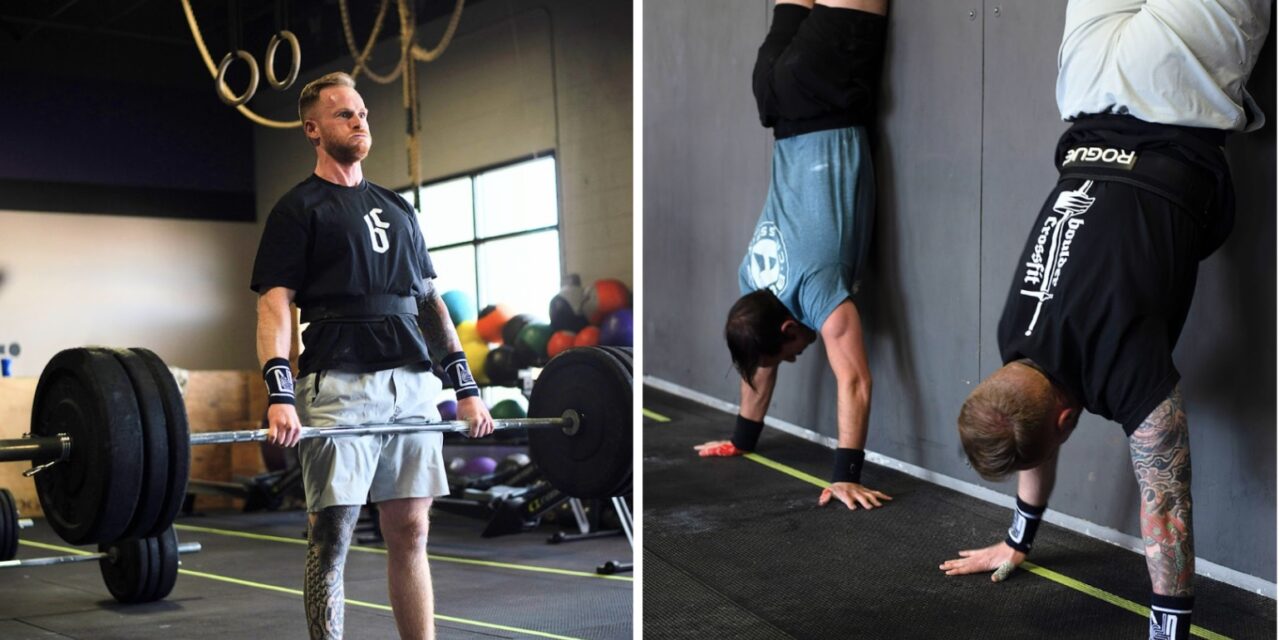
By: Rani Helvey-Byers, PT, DPT, OCS If you’ve been told you have osteopenia or osteoporosis, it’s natural to feel cautious about movement—especially anything involving weights. Many women are advised to “be careful,” “avoid heavy lifting,” or stick to walking and light exercise. In reality, this advice is not only outdated, but may be doing you...

Lumbar spinal stenosis is a relatively common condition in older adults with an estimated incidence of 1 in every 1000 adults over 65 years old. Age related changes in the spine lead to increased weight bearing across the posterior elements of the spine, arthritic changes in spinal joints, and decreased cross sectional area in the...

4 treatments for lumbar spinal stenosis

Lumbar spinal stenosis (LSS) is a common diagnosis given to those experiencing low back pain. The gold standard of diagnosing stenosis is using an MRI to determine closure of natural occurring spaces of the lumbar spine. At times the closures can contribute to impingement of nerves or spinal canal which can lead low back pain...

There are few treatments more effective for the prevention and treatment of injuries and musculoskeletal conditions than resistance training.  Unfortunately, many Americans are not performing enough strengthening to prevent the loss of muscle mass (sarcopenia) which begins to occur in the 3rd decade of life.  After age 30 we begin to demonstrate a progressive loss...

At Mend, we provide every patient with an individualized exercise program specific to their condition.   These programs are focused to deliver optimal results in the least amount of time possible.  Exercise is one of our most powerful interventions to eliminate pain and restore function without the use of more risky medications or surgery.  The...