Blog

photo credit: radiopaedia.org Magnetic Resonance Images (MRI) have become increasingly sensitive to detecting abnormalities and pathologies in our bodies. As the technology has advanced radiologists are far less likely to miss an abnormality in the musculoskeletal system, but are more likely to find abnormalities that may or may not be causing a patient’s current symptoms....

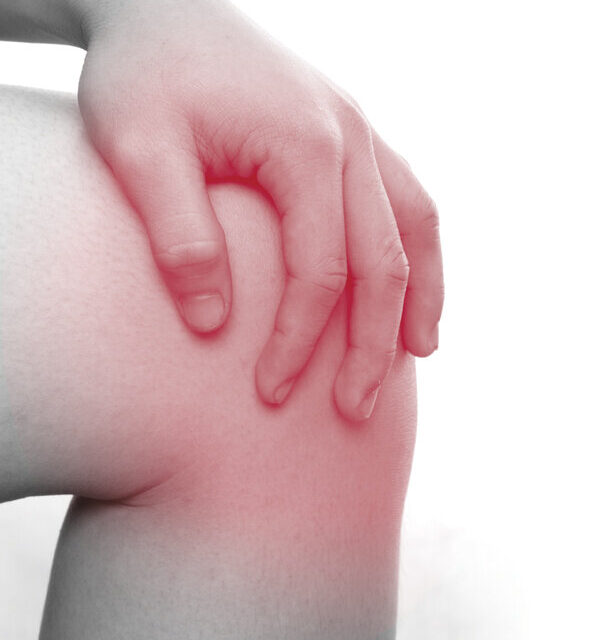
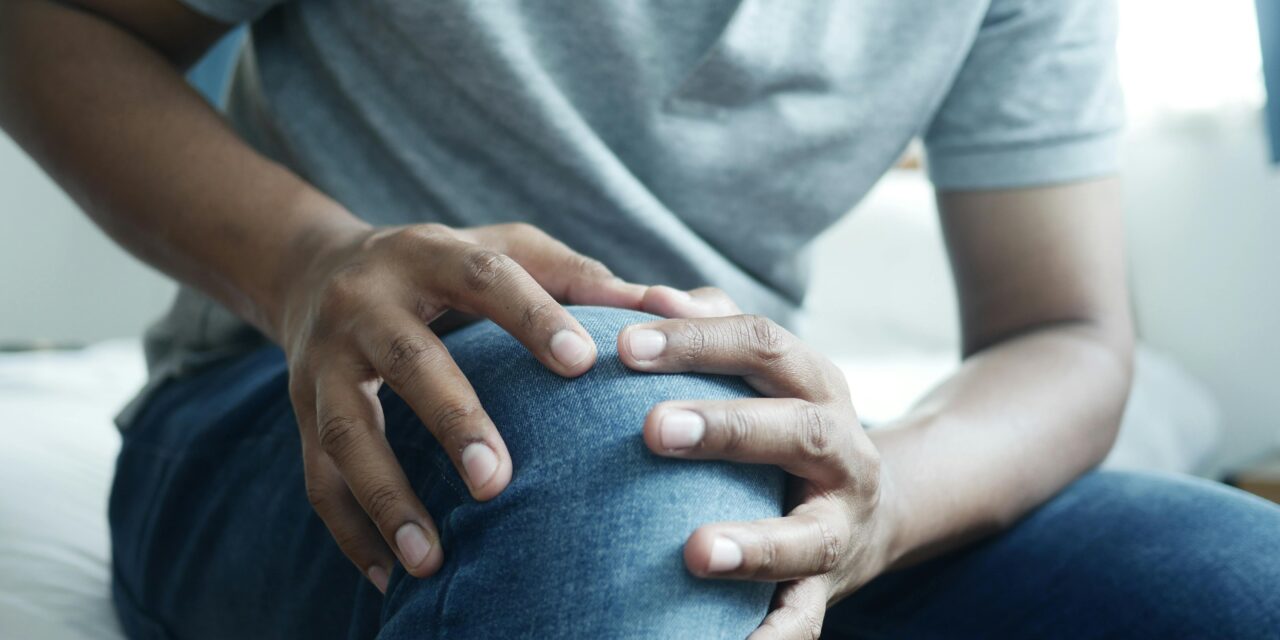
Knee Pain Background Anterior knee pain is a term used to encompass many conditions affecting structures of the knee. The majority of these cases can be attributed to patellofemoral pain syndrome (PFPS) or an abnormal tracking of the patella on the femoral groove secondary to changes in lower extremity alignment, muscle imbalance, or training errors...

Evidence Does Not Support Utilization Of Surgery Over Physical Therapy For Most Musculoskeletal Conditions

The vast majority of musculoskeletal conditions and diagnoses are not life threatening or time sensitive and allow for conservative treatments, including Physical Therapy, to be utilized prior to surgery. In our Boulder Physical Therapy practice we commonly see outcomes consistent with the current research on the utilization of Physical Therapy instead of surgery for common...

Knee Sleeves and Weight Belts: Help or Hype?

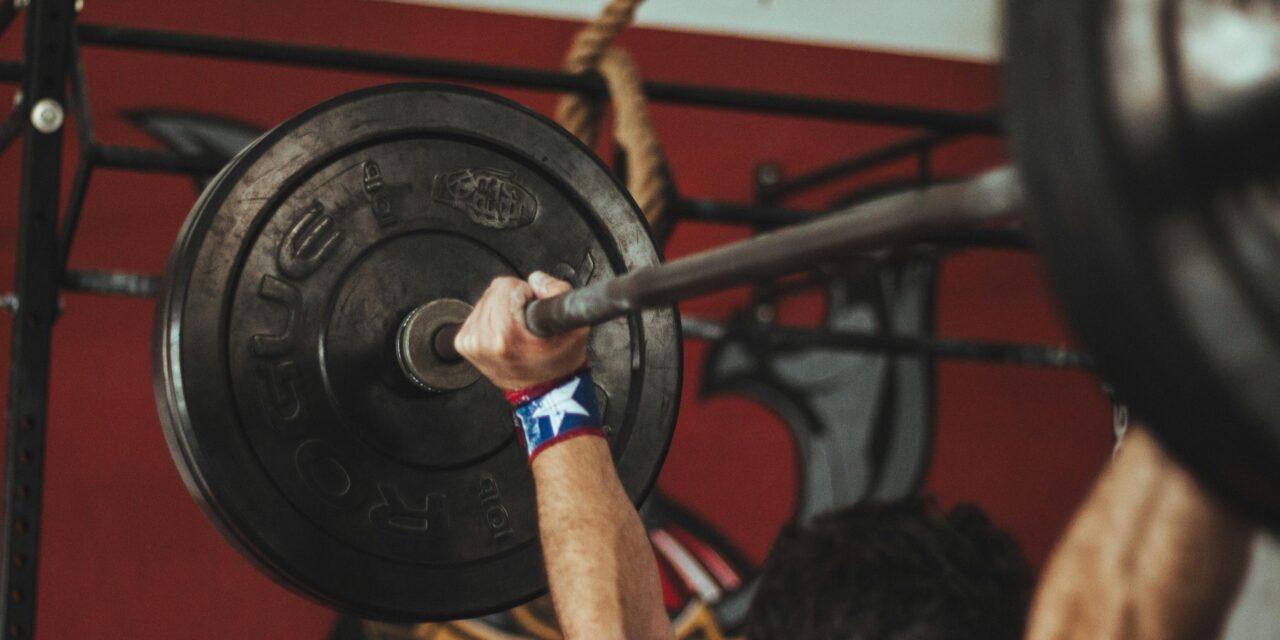
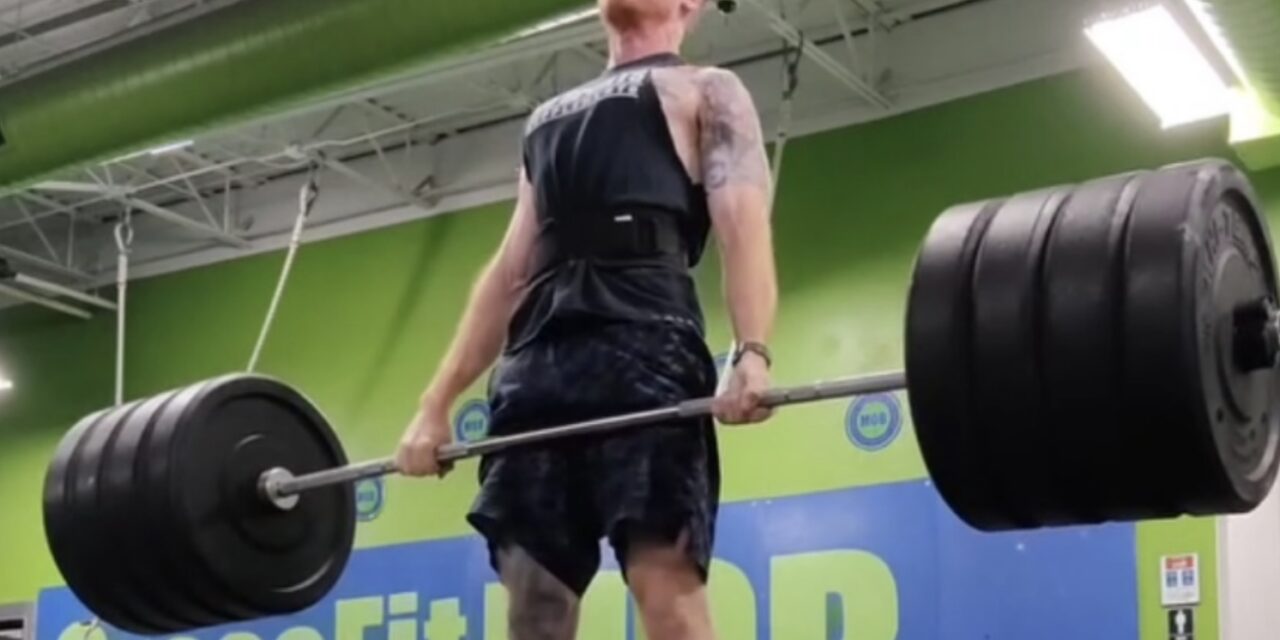
By: Ian Nay, PT, DPT, OCS There is a clear psychological component with both knee sleeves and belts. Athletes consistently report improved confidence and a greater sense of stability when using them. That matters. In both Physical Therapy and strength training, perception influences output. If a sleeve or belt allows you to train with less...

Treating Knee Pain In Tennis Players

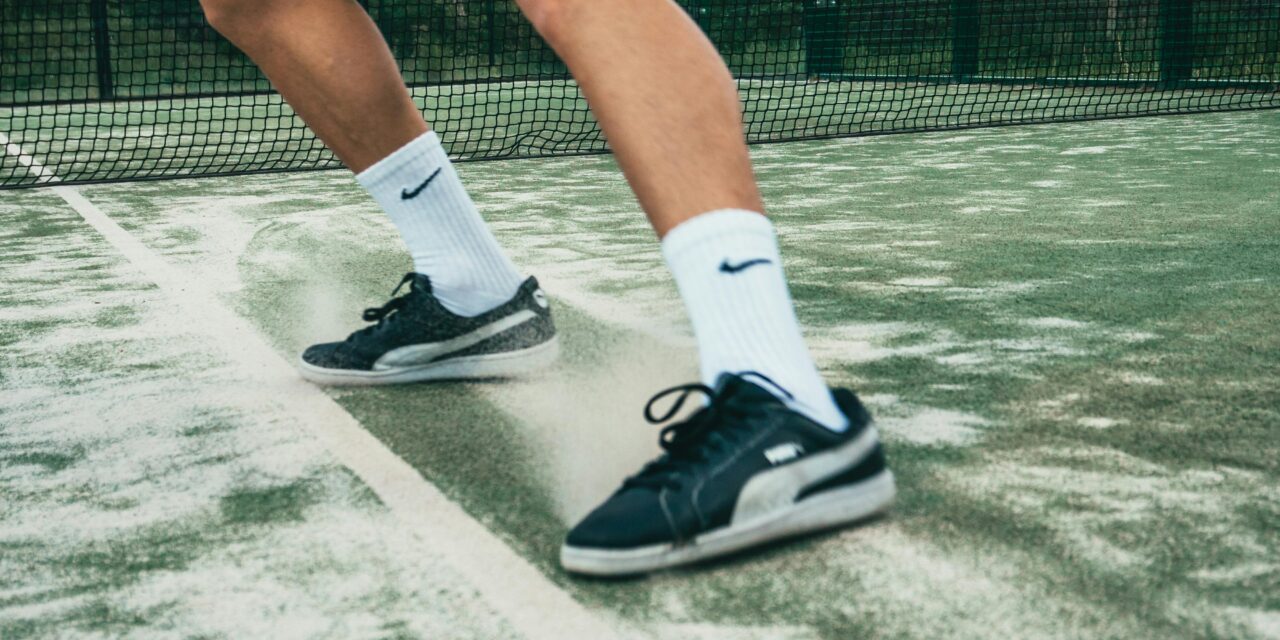
Knee pain is a common issue for tennis players because the sport involves repetitive stopping, starting, and lateral movements that place heavy loads on the tendons and joints of the knee. One frequently seen condition in tennis athletes is patellar tendinopathy (often called “jumper’s knee”), which stems from chronic tendon overload during high-impact actions like...

Dry Needling For Inner Knee Pain And Saphenous Nerve Entrapment

By: Maggie Gebhardt, PT, DPT, OCS, FAAOMPT A less common source of knee pain and discomfort after knee surgery can be addressed with dry needling by a Physical Therapist.  In this case, a patient who is post knee arthroscopy and progressing well can still having medial (inner) knee discomfort towards the end of their plan-of-care....

The Power Of The Spanish Squat For Knee Pain

By: Ian Nay, PT, DPT, OCS If you’re struggling with knee pain—especially related to issues like patellar tendinopathy (jumper’s knee), patellofemoral pain syndrome, or general weakness around the joint—the Spanish Squat might be a game-changer for your rehab routine. Unlike traditional squats, the Spanish Squat uses a resistance band looped behind the knees and anchored...