Blog

In prior posts, we have discussed the importance of hip strengthening among runners.  There is a strong correlation between hip weakness, especially the hip abductors, and knee pain.  Studies have questioned if these strength impairments are present before pain develops or occur due to the onset of pain.  In addition, some research has demonstrated runners...

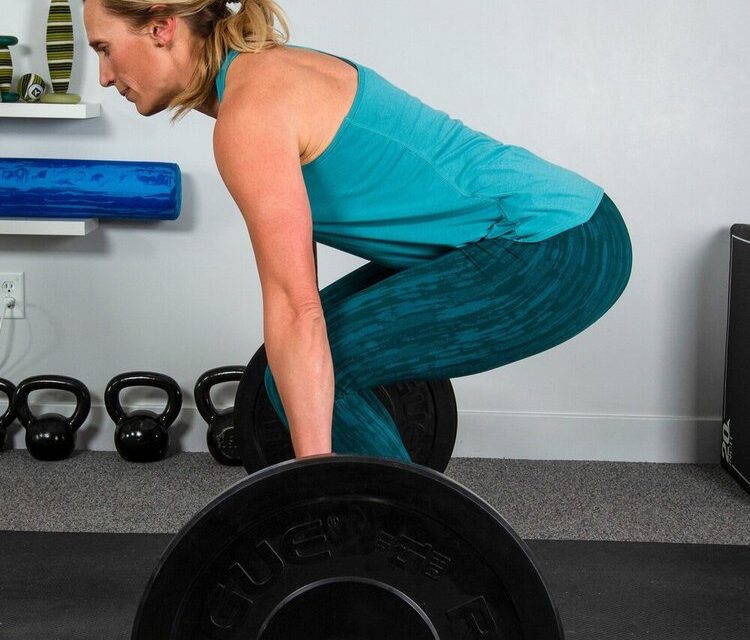
The lunge is a very common exercise to strength the lower quarter.  I commonly use the exercise to address lower quarter weakness, motor control or coordination impairments, and conditioning needs.  Often patients will experience knee pain, either in the forward or backward leg while performing the movement.  Changing the alignment of the trunk, hip, or...

One of the most common questions we receive from patients in our Boulder Physical Therapy practice is “what should I perform first, cardio or strength training, or should they be on separate days?”  This is a great question because most endurance athletes are concurrently performing high volume endurance exercise along with strength training each week....

Coffee is one of the most popular drinks in the world due to its’ caffeine content.  Moderate caffeine consumption is currently being studied due to its’ potential impact on cognition, the aging process, and some cancers.  In our field of Physical Therapy, caffeine has long been known as a performance enhancer based on its’ ability...

In our Boulder Physical Therapy practice we often see athletes who are dealing with a swimming related injury.  Some of these injuries can occur from training errors and poor stroke mechanics, but many are secondary to correctable changes in mobility and strength.  Many injured swimmers complain of shoulder pain including rotator cuff muscle or tendon...

In our previous posts, we have described the limitations of orthotics  to correct lower leg alignment and treat foot and leg conditions compared to Physical Therapy exercises.  In addition, long term orthotic users often show atrophy of the foot’s core muscles which leads to further weakness and dysfunction.   Instead of orthotics, an active approach...

In our previous posts we discussed how patients and athletes can utilize strength training to both improve strength as well as their flexibility.  Recent research continues to show strength training a muscle through its’ full range of motion is more effective than static stretching for flexibility gains.  This research has refuted a commonly held belief...

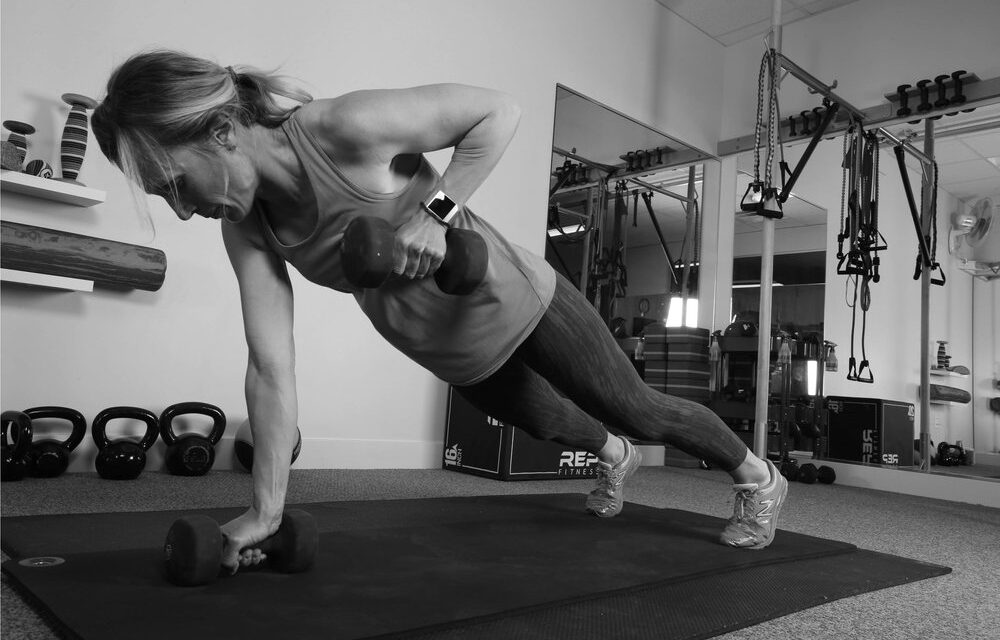
The benefits of strength or resistance training are numerous including increased quality of life, reduce injury risk, and increased performance.  In previous blog posts we have discussed the cross over effect where working one side of the body creates improved flexibility, strength, or balance on both sides of the body.   If we view our...

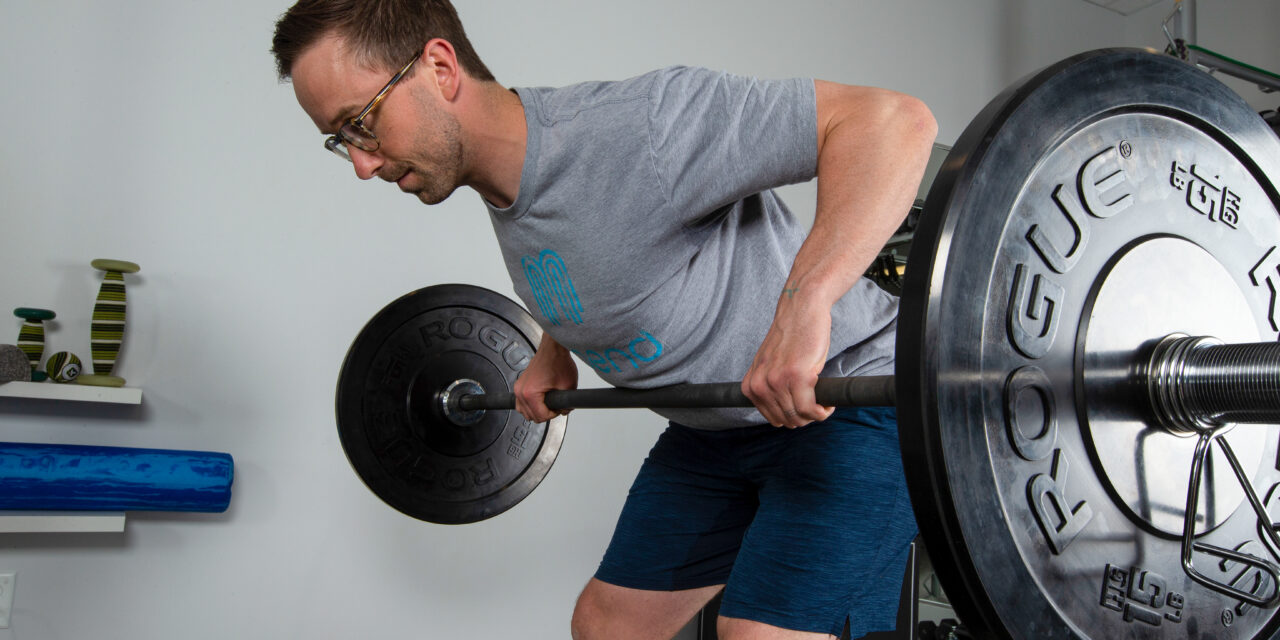
Nutritional supplements are widely advertised with amazing health claims but few have been able to show true effects beyond placebo or control groups.  In regards to strength training, two have been studied scientifically to draw conclusions on their effectiveness.  Creatine has been shown to improve strength gains and muscle growth among users who are concurrently...

Photo Credit: charlieweingroff.com In our prior posts we have described the injury risks associated with athletic activities.  There will always be an inherent risk with athletic participation but current research is identifying Physical Therapy tests which can help predict future injury.  These test batteries involve movement assessments of functional positions such as squatting, jumping, and...