
Blog

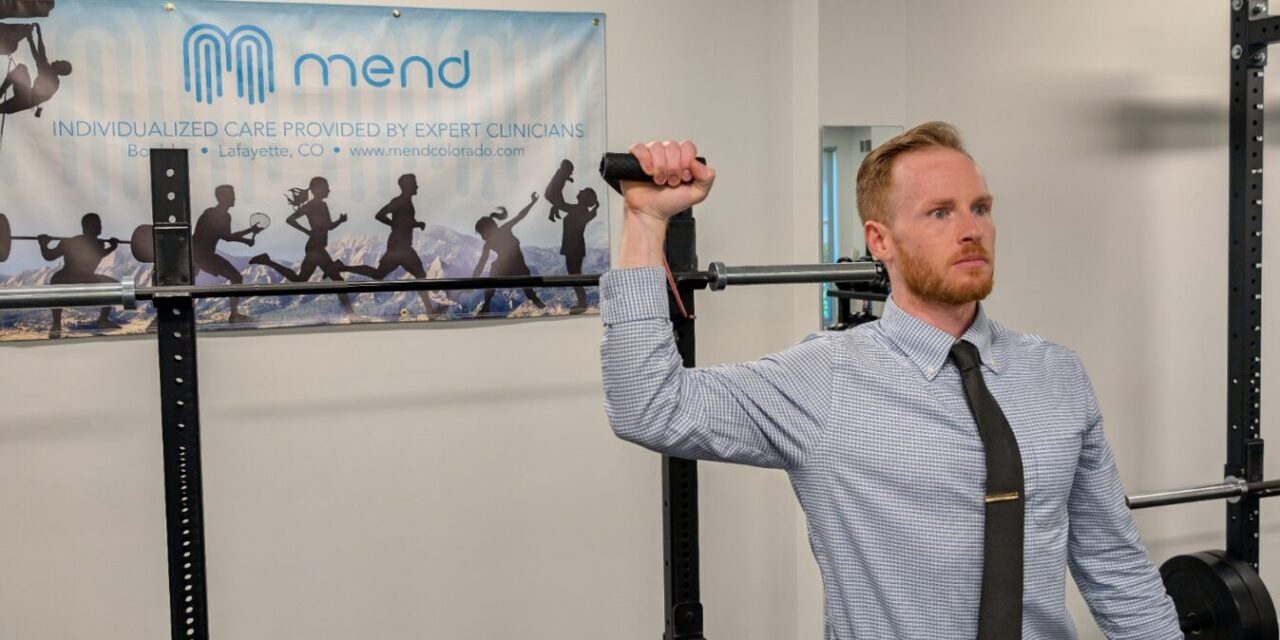
Rotator cuff injuries span the spectrum from acute strains to chronic tendon pain (tendinopathy) and rotator cuff tears. Physical Therapy remains the gold standard, first line treatment for all rotator cuff injuries due to its’ cost and clinical effectiveness treating these disorders. A Physical Therapy first strategy has been reinforced by recent research demonstrating equivalent...

The majority of patients undergoing treatment by a Physical Therapist will receive a home exercise program (HEP) based on their specific symptoms.  This individualized program is essential for the reduction of symptoms and restoration of function.  In my opinion, not providing an exercise program to patients with musculoskeletal conditions leads to patient dependence on the...

When Should a Massage Therapist Refer to Physical Therapy?

By: Ian Nay, PT, DPT, OCS At Mend Physical Therapy, we spend a lot of time working with people who are already doing many of the right things. They train regularly, they prioritize recovery, and a lot of them are getting consistent massage work. That combination matters. Good soft tissue work can absolutely help reduce...

Shoulder pain remains one of the most frequent reasons patients seek care from a Physical Therapist.  Although many diagnoses create symptoms in the shoulder region, rotator cuff tendon pain is one of the most common.  Descriptions of tendon pain such as tendinitis are being disproven by the research due to a lack of inflammatory process...

Rotator cuff tears are a common injury in middle to older aged adults. Tears can be gradual or degenerative in nature associated prior injury (tendinopathy) or acute and traumatic from a fall or sudden trauma to the shoulder. The severity of the injury including tear depth and size, as well as, the number of tears...

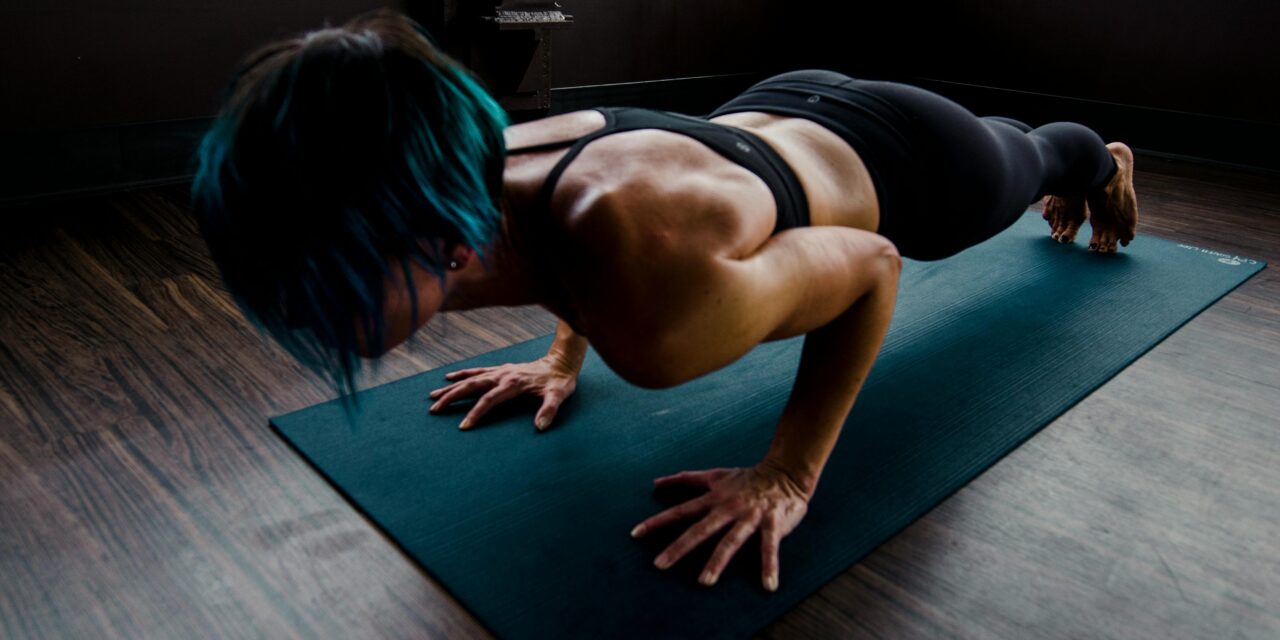
Shoulder Pain During Chaturanga? Here’s How to Fix it.

Chaturanga Dandasana (Four-Limbed Staff Pose) is a foundational yoga posture found frequently during many yoga classes. However, many practitioners experience shoulder pain when performing this pose. If you find yourself wincing every time you lower down, you’re not alone. Here’s why Chaturanga might be causing discomfort, how to modify it to reduce pain, and exercises...