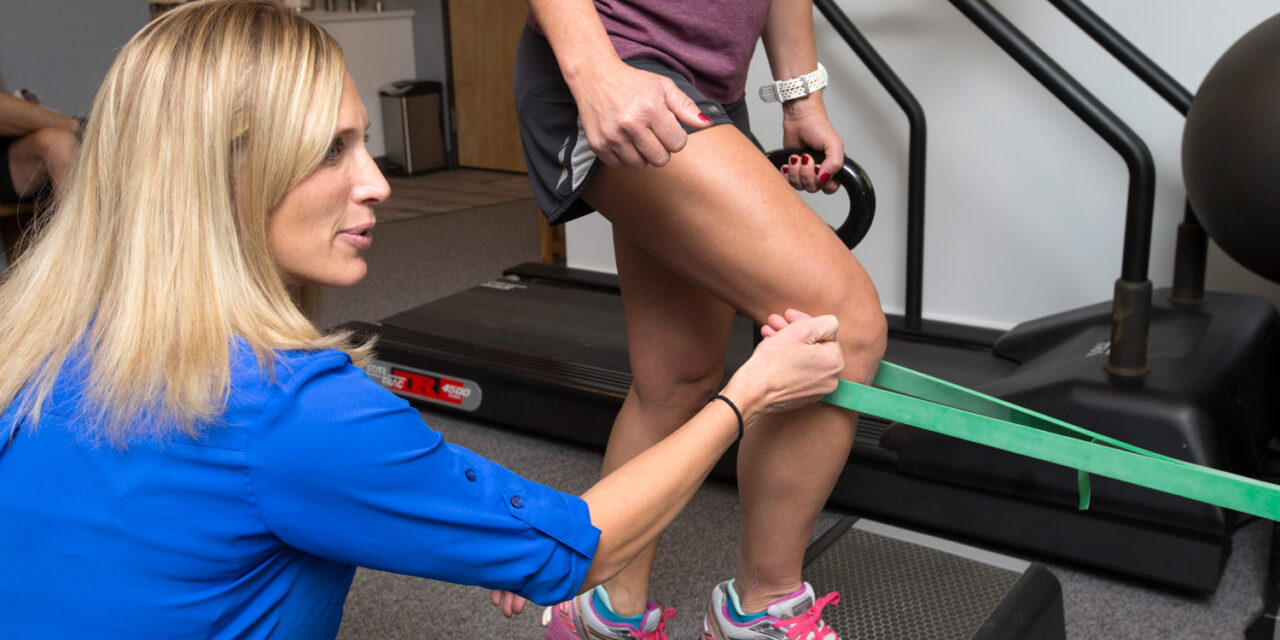
Patellar tendon ACL grafts create a second healing site: the tendon itself. Here's how that changes rehab in Boulder and Lafayette.

Patellar tendon ACL grafts create a second healing site: the tendon itself. Here's how that changes rehab in Boulder and Lafayette.
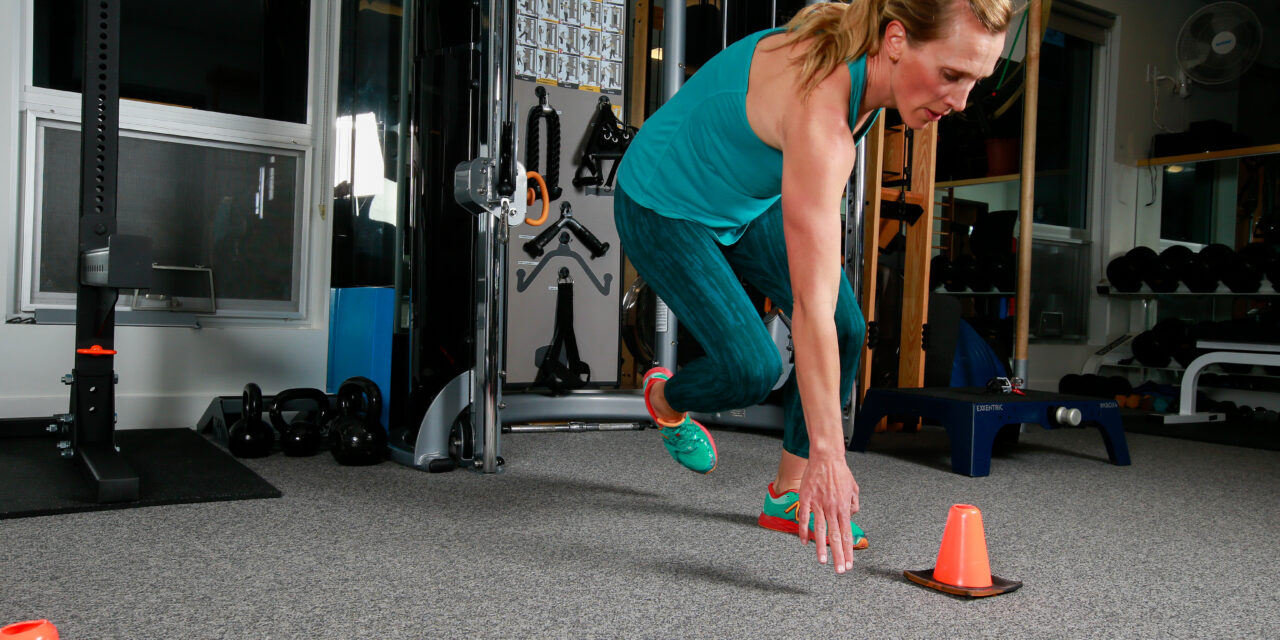
Deceleration puts more stress on the ACL than jumping does. Here's why Mend prioritizes landing and force-absorption training in ACL rehab.
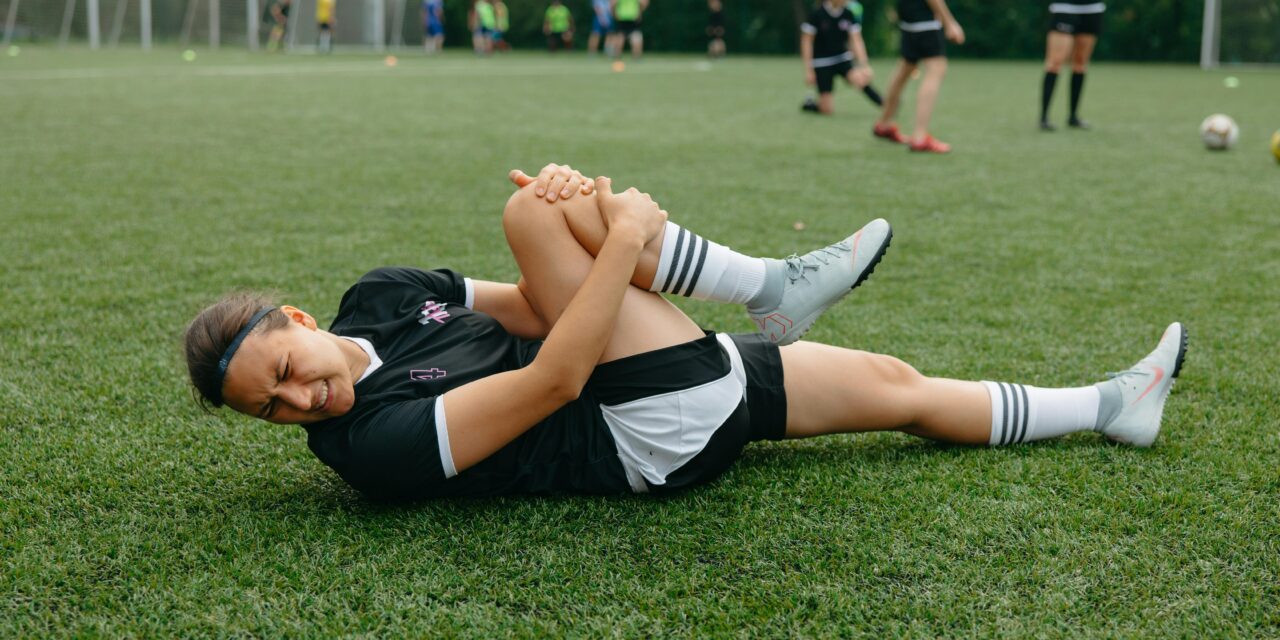
By: Lucas Glomb, PT, DPT, OCS If you’ve had ACL reconstruction or are preparing for surgery, graft choice plays a major role in how your knee heals and how physical therapy progresses. At Mend Physical Therapy, we work with ACL patients across Colorado to tailor rehab based on the specific graft used and the demands...
By: Lucas Glomb, PT, DPT, OCS High-quality ACL rehabilitation should be criterion-based, not time-based. Most people recovering from ACL surgery are told they’ll return to sport in 6–9 months. While healing timelines matter, time alone does not determine readiness. Two people at the same point on the calendar can have completely different strength, movement quality,...
Photo Credit: ssorkc.com 1. You have published a few articles on the utilization of strength and conditioning principles with Physical Therapy patients. In my opinion, these valuable principles are under utilized in our profession. In your experience, how can practicing clinicians improve their patient outcomes using these principles? Well I think one of the...
Running remains one of the most popular forms of exercise due to its’ affordability, accessibility, and health benefits. The popularity of the sport has grown tremendously over the last few decades, but despite advancements in shoe wear, training methods, and rehabilitation interventions the injury rates remain frustratingly high. Up to 90% of runners will report...
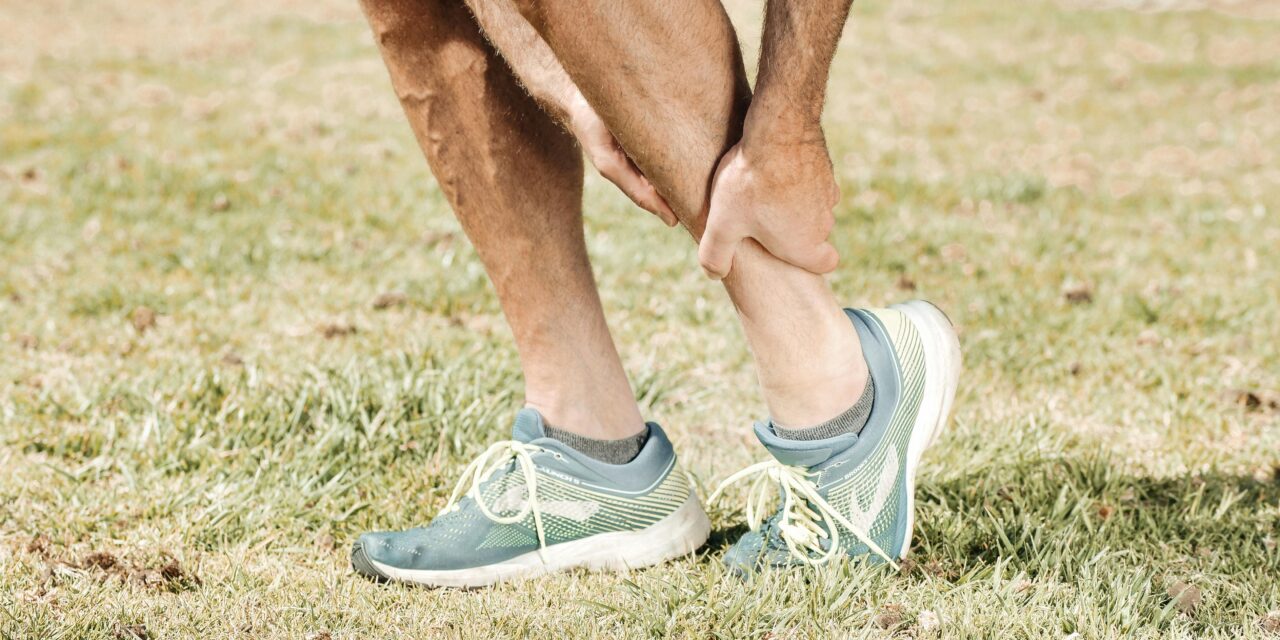
Muscle strains and tendinopathies are common injuries we treat in our Boulder Physical Therapy and Lafayette Physical Therapy clinics. Common areas for muscle strains include the hamstrings, quads, calves, hip flexors and low back, while common areas for tendinopathies are the Achilles tendon, patellar tendon (jumper’s knee), and the rotator cuff. The nature of these...
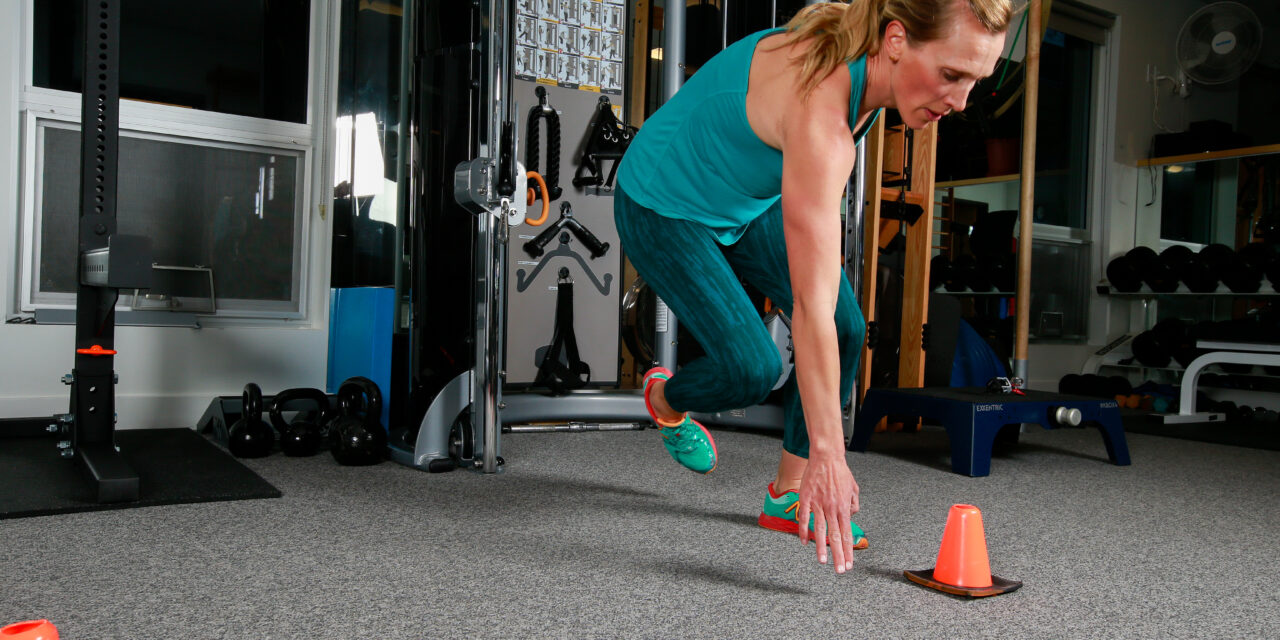
By Lucas Glomb, PT, DPT, OCS At our Boulder Physical Therapy and Lafayette Physical Therapy offices, return to sport training is a critical phase in a patient’s recovery from pain, injury, or surgery. In the fields of physical therapy and orthopedic medicine, “return to sport” has traditionally meant clearing patients for general activities like jogging,...
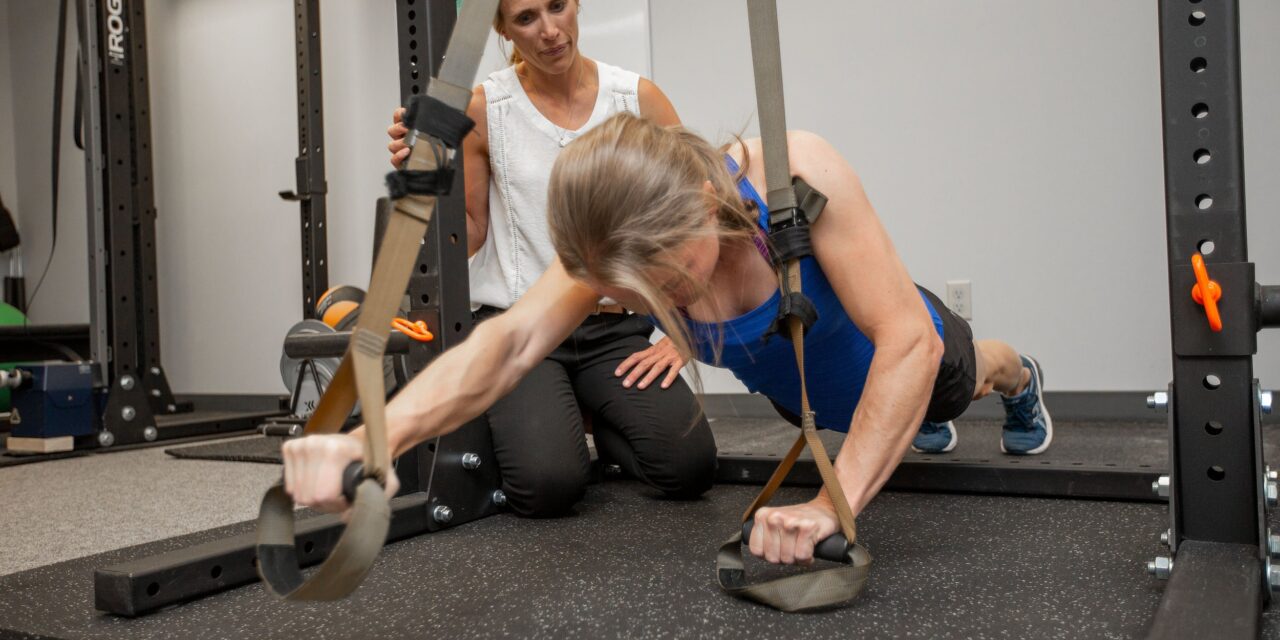
Plyometrics are a type of exercise that involve explosive, high-intensity movements and are often used in sports training and rehabilitation programs for many types of overhead athletes, but not often enough for rock climbers. They can be an effective way to improve muscle power, speed, and coordination, and can be especially useful in helping athletes...
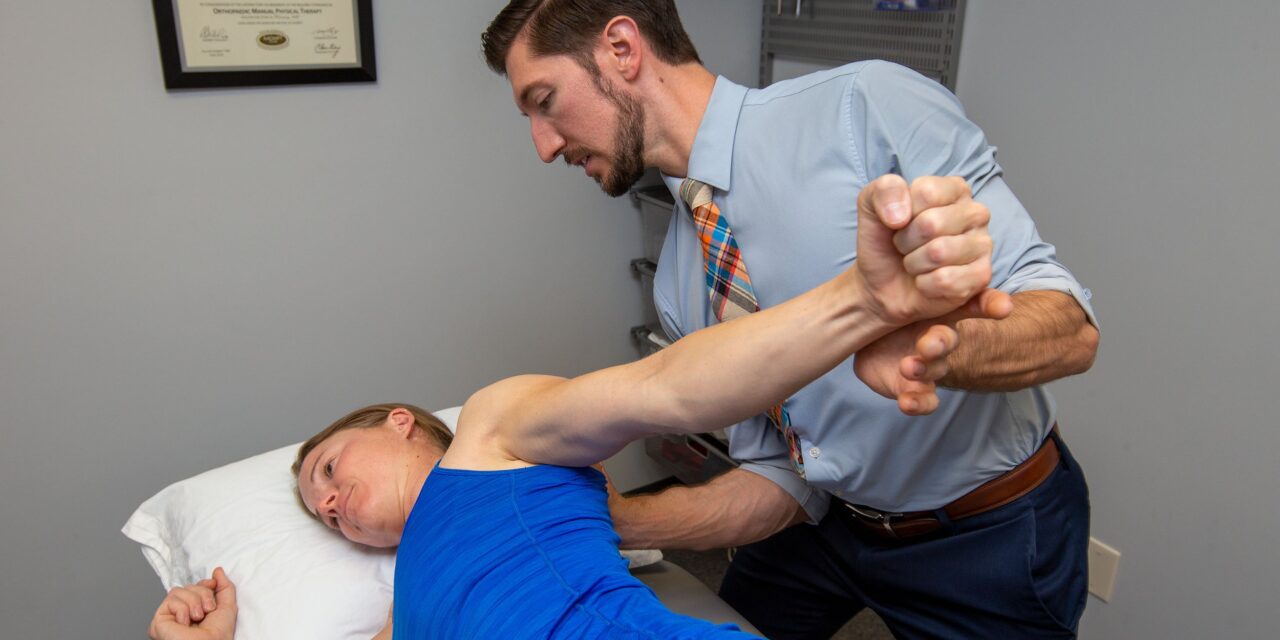
Make sure you’re incorporating shoulder strengthening into your elbow rehabilitation! The elbow is one of the most common sites for pain in rock climbers. Lateral elbow pain (tennis elbow) is a limiting condition causing pain with repetitive movements including crimping or pinching while rock climbing. This condition was previously thought to occur secondary to inflammation...