Blog

Our previous blog post detailed the differences in biomechanics between foot strike patterns in runners.  There are clear bio mechanical differences between utilizing a forefoot and rear foot strike pattern and these are important for gait retraining and injury risk.  Obviously, the foot is the first part of the body to strike the ground in...
As we move towards the middle of summer many runners have experienced an increase in overuse injuries in their legs.  Unfortunately, these running injuries are common among athletes with the vast majority of runners reporting one injury over the last year of training.  Two of the most common injuries include shin splints (medial tibial stress...

Can You Keep Doing CrossFit While You’re Injured?

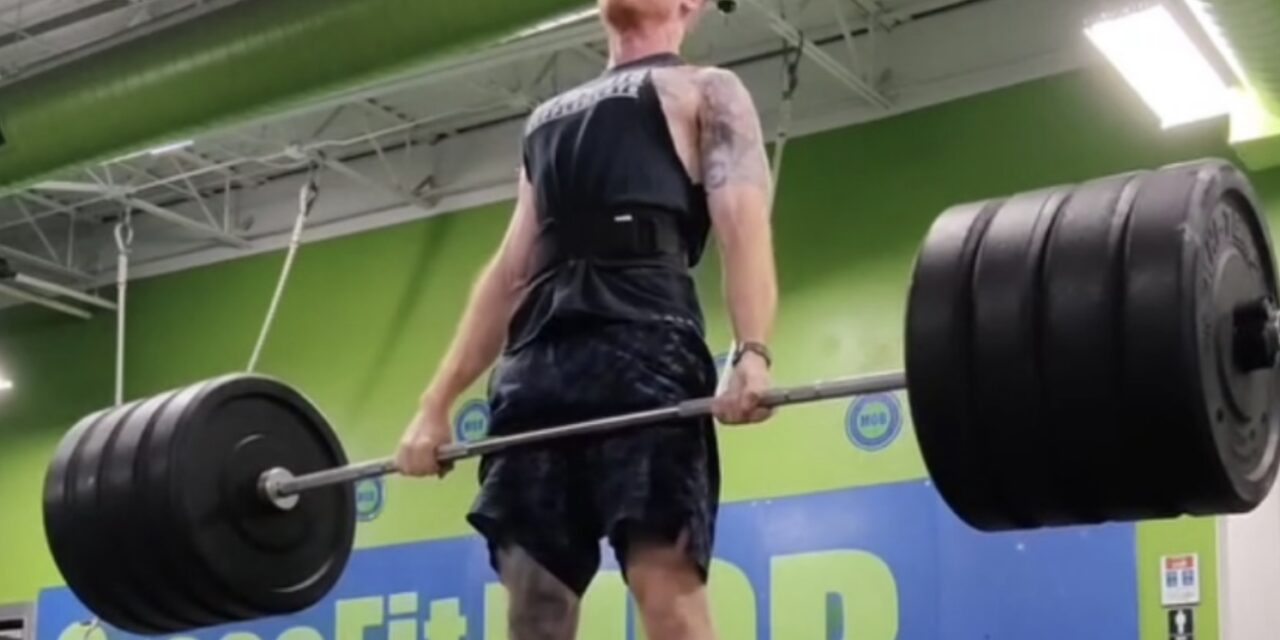
By Dr. Emily Fuller, PT, DPT If you’re dealing with an injury, one of the first questions you may have is: Do I have to stop CrossFit? In many cases, the answer is no. Training CrossFit while injured often comes down to modifying your workout rather than stopping altogether, and appropriately modifying your training can...

Treating Knee Pain In Tennis Players

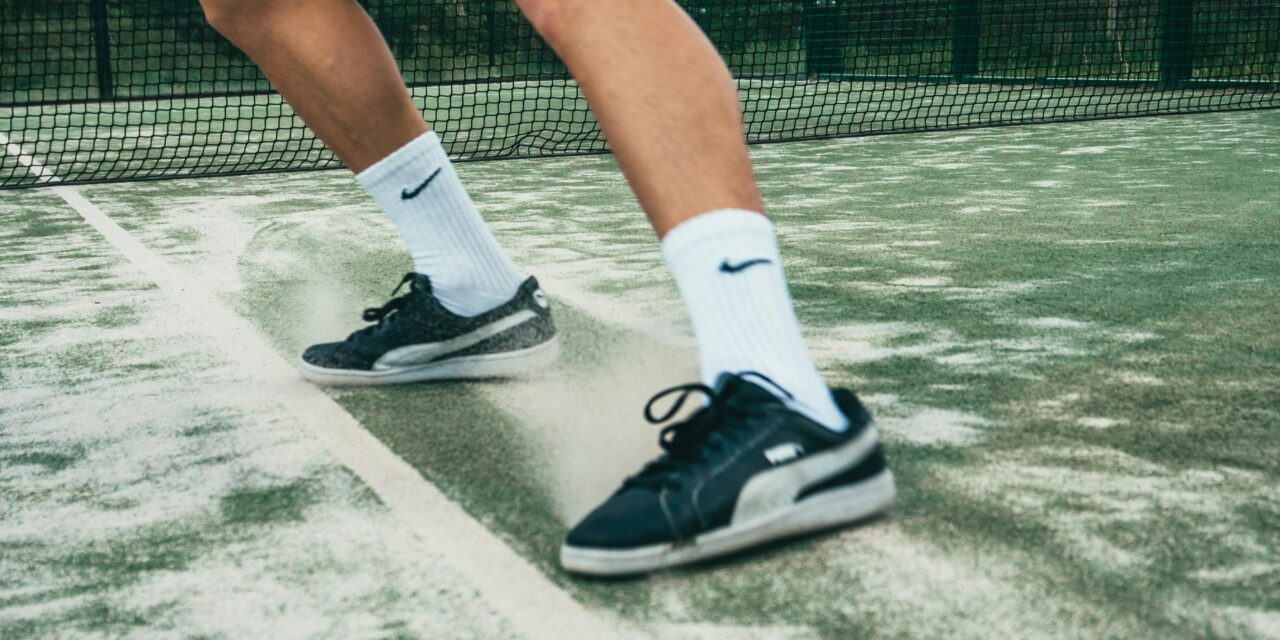
Knee pain is a common issue for tennis players because the sport involves repetitive stopping, starting, and lateral movements that place heavy loads on the tendons and joints of the knee. One frequently seen condition in tennis athletes is patellar tendinopathy (often called “jumper’s knee”), which stems from chronic tendon overload during high-impact actions like...

How Is The Recovery After An ACL Tear While Skiing?

ACL injuries are among the most common serious knee injuries in alpine skiing because the sport combines speed, uneven terrain, and sudden directional changes that place rotational stress on the knee. When a skier falls with the ski fixed in the snow as the body continues to rotate, the anterior cruciate ligament (ACL) can tear....

Why Pre-Operative Physical Therapy Matters Before ACL Surgery

By: Lucas Glomb, PT, DPT, OCS If you’ve torn your ACL, one of the biggest factors in how well you recover actually happens before surgery. Pre-operative physical therapy, commonly called “prehab”, sets the stage for everything that follows. Patients who prepare their knee before surgery consistently demonstrate better strength, improved function, and smoother recoveries afterward. Restore...

Knee Sleeves and Weight Belts: Help or Hype?

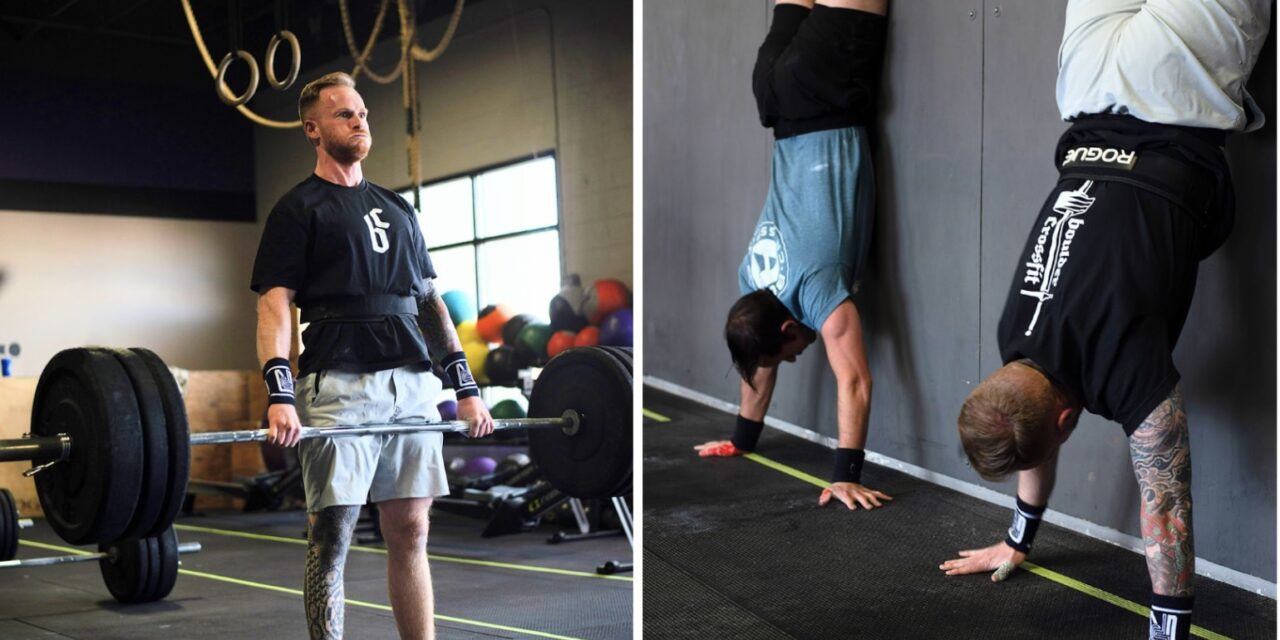
By: Ian Nay, PT, DPT, OCS There is a clear psychological component with both knee sleeves and belts. Athletes consistently report improved confidence and a greater sense of stability when using them. That matters. In both Physical Therapy and strength training, perception influences output. If a sleeve or belt allows you to train with less...