Blog

Running with Confidence: Managing Stress Urinary Incontinence (SUI) through Pelvic Floor Muscle Training

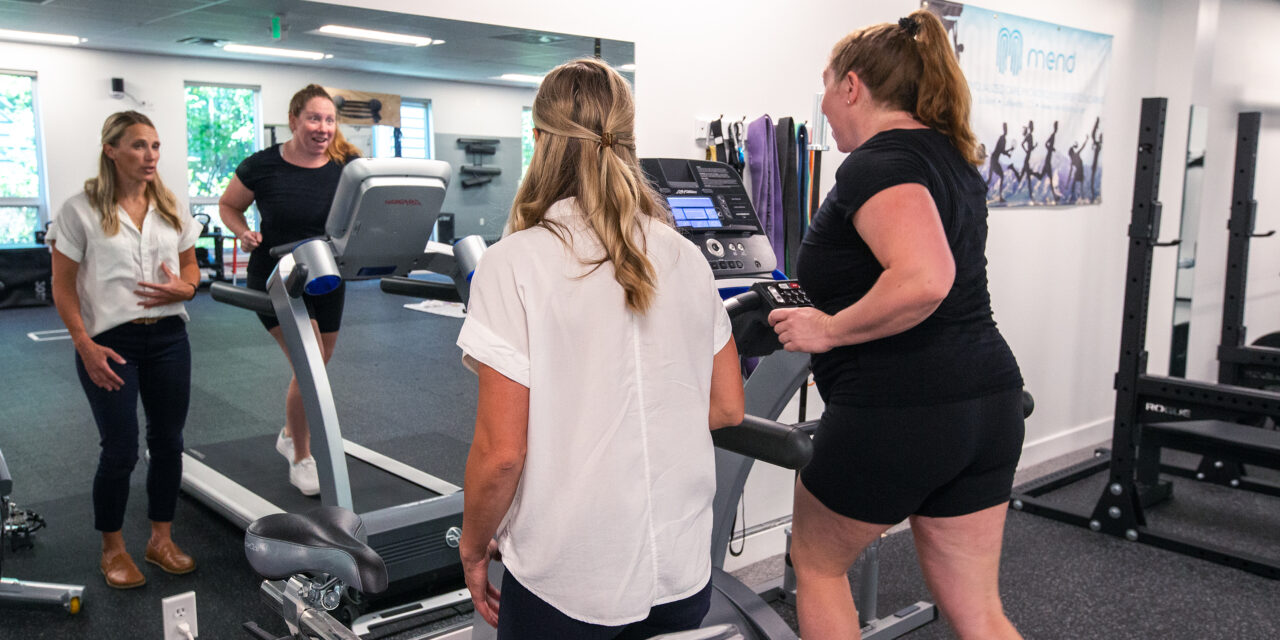
By: Chelsey Vasquez, PT, DPT, PRPC As a Boulder and Lafayette based Physical Therapist, I often work with runners who experience stress urinary incontinence (SUI)—the involuntary leakage of urine during high-impact activities like running. While this can be frustrating, the good news is that pelvic floor muscle training (PFMT) can help manage and even eliminate...
5 Common Pelvic Floor Myths — Debunked

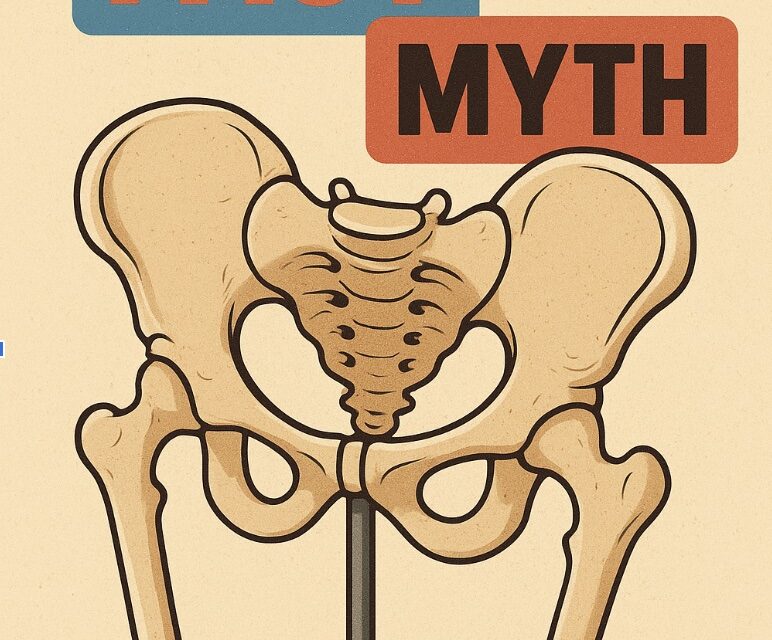
By: Chelsey Vasquez, PT, DPT, PRPC When it comes to pelvic health, misinformation is everywhere. Whether it’s a social media post encouraging everyone to do Kegels or outdated advice to just “deal with” pelvic pain, these myths can prevent people from seeking the care they need. Pelvic floor dysfunction can affect people of all genders,...

New research backs structured pelvic floor training programs for stronger pelvic floor muscles and less urine leakage during activity

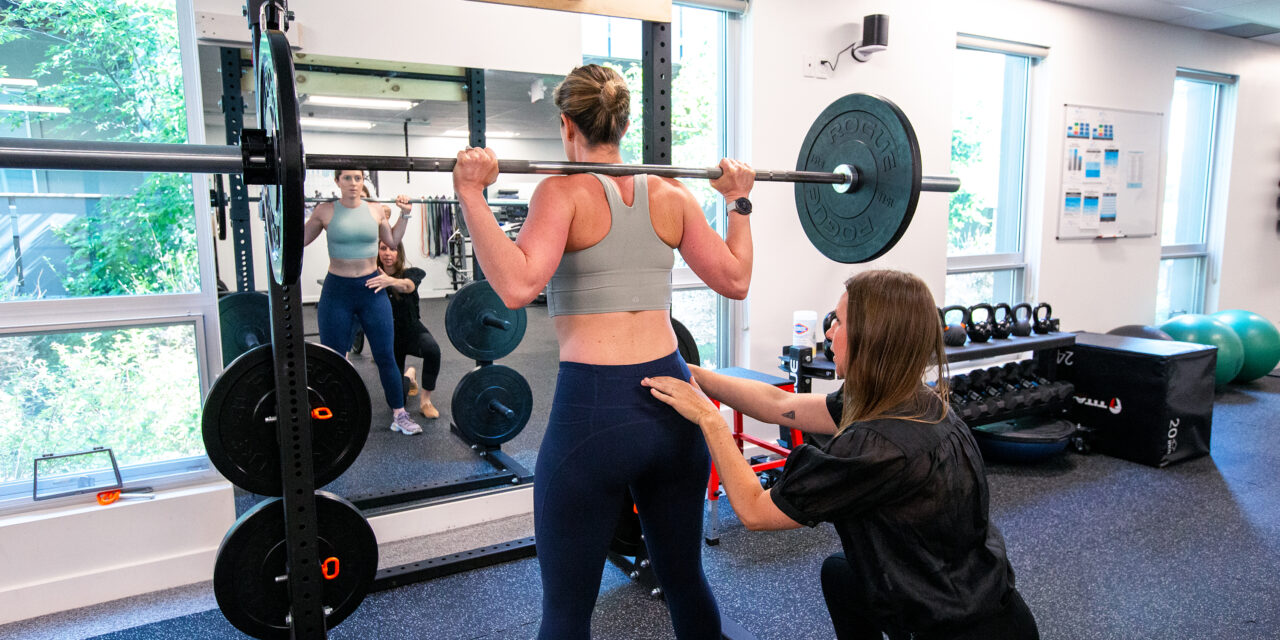
By: Chelsey Vasquez, PT, DPT, PRPC As physical therapists who work closely with active women, we often hear concerns about bladder leakage during exercise — whether it’s jumping, running, lifting, or playing sports. Many athletes are surprised to learn that this is actually quite common, even in young women who have never been pregnant. A...

Why Men Need to Talk About Pelvic Health—And Why Physical Therapy Should Be Part of the Conversation

By: Chelsey Vasquez, PT, DPT, PRPC In January 2026, The New York Times published an article highlighting what urologists wish men understood about sexual health: many of the symptoms men quietly worry about are common, treatable—and often connected to broader physical health. As physical therapists specializing in pelvic health, we see the same pattern every...

Abdominal Bloating and Distension: A Pelvic Floor PT’s Perspective

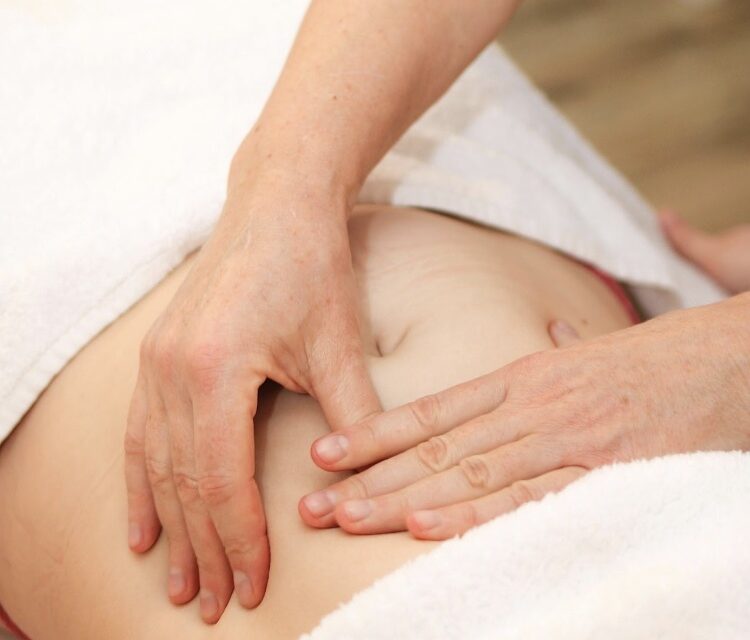
By: Chelsey Vasquez, PT, DPT, PRPC Abdominal bloating and distension are common concerns I hear from patients in pelvic health physical therapy. Many people feel uncomfortable pressure in their abdomen after eating or by the end of the day. While digestive conditions can contribute, another often overlooked factor is abdominophrenic dyssynergia. Abdominophrenic dyssynergia occurs when...