Blog

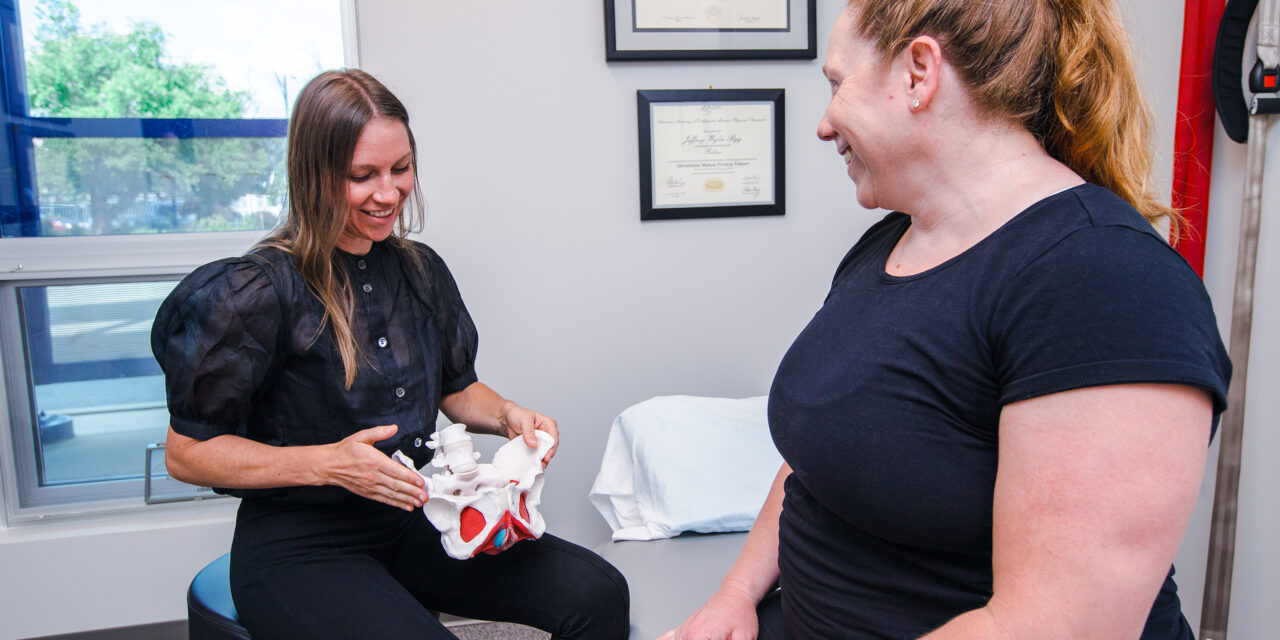
Word choice and verbal instruction impacts how one performs a pelvic floor muscle contraction. Previous research on women suggests that around 40% of women do not perform a kegel or pelvic floor muscle contraction correctly with verbal instruction and 25% of them were doing something that would increase the likelihood of leaking such as holding...

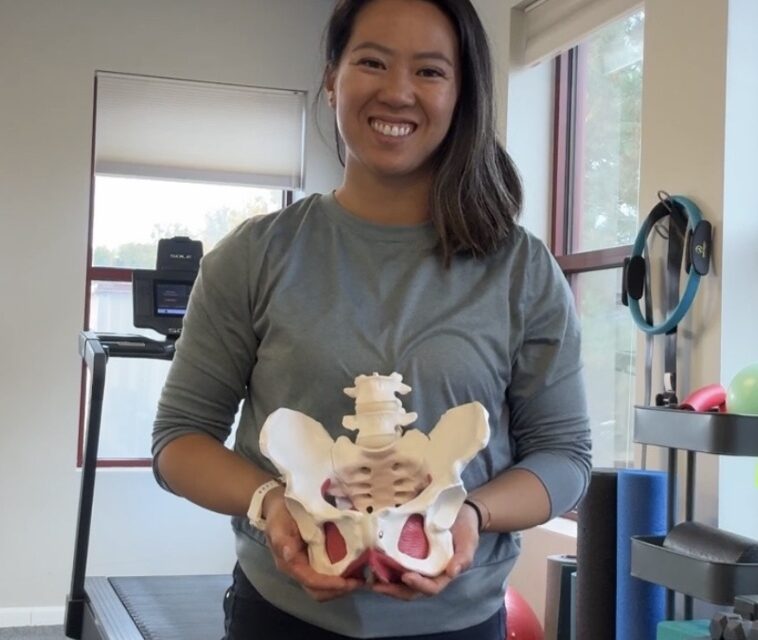
Endometriosis is a chronic inflammatory condition that affects 1 in 10 women of reproductive age worldwide. Classically, symptoms of endometriosis are painful menstrual cycles and chronic pelvic and abdominal pain, though a myriad of symptoms exist including rectal pain, abdominal bloating, back pain, bladder and bowel dysfunction, and pain with sex. Current treatment regimens for...

Pelvic floor muscle strengthening is a specific type of training program, targeted to strengthen the pelvic floor muscles. The pelvic floor is a group of muscles that are responsible for maintaining continence, providing support to internal organs, and are important for sexual function. People with low tone or weakness of their pelvic floor, who are...

Strong, Supported, Confident: A Pelvic Physical Therapist’s Guide to Women’s Strength in Midlife

By: Erica Tran, PT, DPT, OCS Pelvic Physical Therapy in Lafayette Colorado | Women’s Strength Training for Perimenopause and Menopause If you are a woman searching for pelvic physical therapy in Lafayette Colorado, women’s health physical therapy, or women’s strength training during perimenopause or menopause, you are likely looking for more than a generic exercise...

Non Surgical Treatments For Pelvic Organ Prolapse

Pelvic organ prolapse (or “POP”) occurs when the muscles and connective tissues that support pelvic organs weaken causing descent of the organ (or organs) from their original positions into the pelvic cavity. The type of prolapse depends on where the weakness occurs and what organs are affected. Organs can prolapse independently of one another or...

Pelvic floor muscles play an important role in sexual function for both men and women as they help increase and maintain blood flow to the genitals during sexual arousal. Both strength and motor control are important for proper muscle function anywhere in the body, including the pelvic floor. The prevalence of erectile dysfunction is unknown,...

The scope of pelvic health physical therapy is wider than you may think. Pelvic physical therapy can help address a variety of gastrointestinal dysfunctions including: –constipation -IBS -bloating -abdominal pain -fecal incontinence -abdominophrenic dyssynergia  -and more! One of the most researched and successfully treated GI dysfunctions in pelvic PT is constipation. Constipation is broken down...

Enhancing Endometriosis Care: The Role of Pelvic Health Physical Therapy

Endometriosis is a challenging and often debilitating condition where endometrial-like tissue grows outside the uterus, leading to severe pelvic pain and discomfort. People suffering from endometriosis often face not just physical pain but also emotional and psychological stress. While traditional treatments focus on hormonal therapies and surgery, a growing body of research suggests that physical...

5 Pelvic Floor Muscle Exercises Better Than a Kegel

With any pelvic floor dysfunction, there is so much more to look into aside from simply the pelvic floor. The term “Kegel” was first used in 1948 by a professor of gynecology Dr. Arnold Kegel to describe a pelvic floor contraction. While it has now become a household term, there is so much more to...

Constipation Pain and Stomach Cramps: Causes, Relief, and When PT Can Help

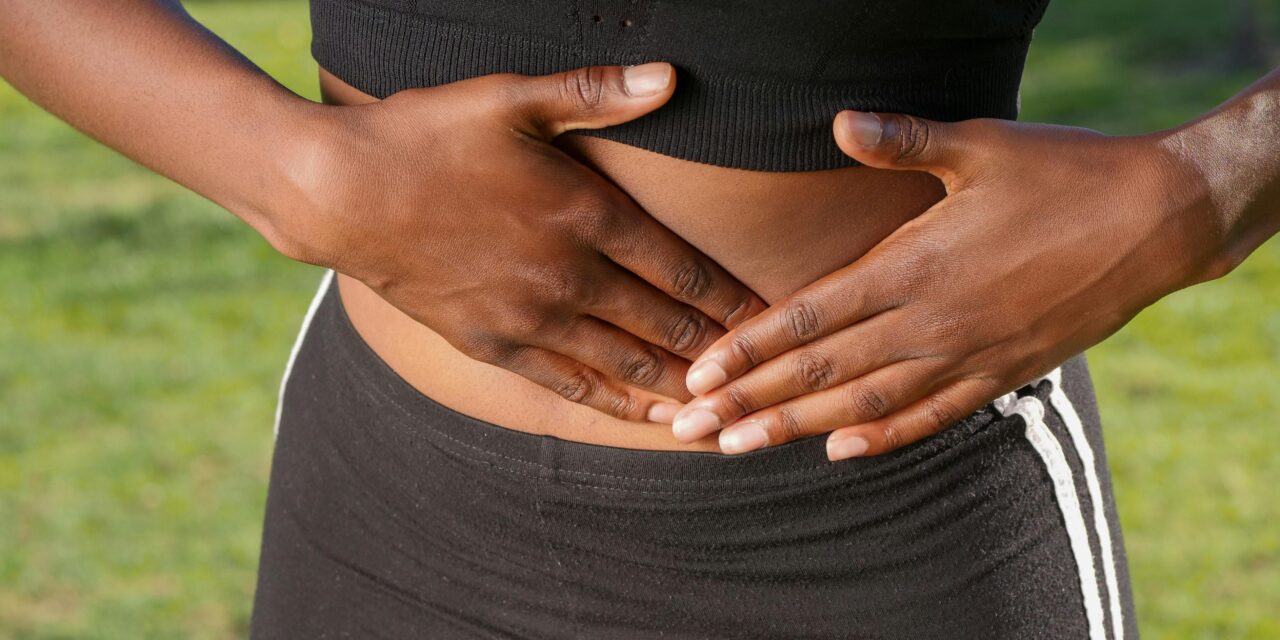
Constipation doesn't just mean infrequent bowel movements, it can cause stomach pain, abdominal cramping, bloating, and a persistent feeling of pressure or fullness that interferes with daily life, exercise, and sleep. The good news: constipation pain is treatable, and in many cases, highly responsive to targeted physical therapy. At Mend, our pelvic floor PTs in Boulder and Lafayette help patients address the root cause, not just temporary symptom relief.