

Blog

What Are the Best Treatments for Achilles Tendon Pain?

Updated November 2026 Achilles tendon pain, previously called Achilles tendinitis and now called Achilles tendinopathy, affects sedentary, active, and athletic people. The 2024 clinical practice guideline from the Academy of Orthopaedic Physical Therapy puts the overall prevalence of midportion Achilles tendinopathy at 4% to 7% and reports a lifetime cumulative incidence of Achilles tendon injury...
How Physical Therapy Treats Plantar Fasciitis and Heel Pain

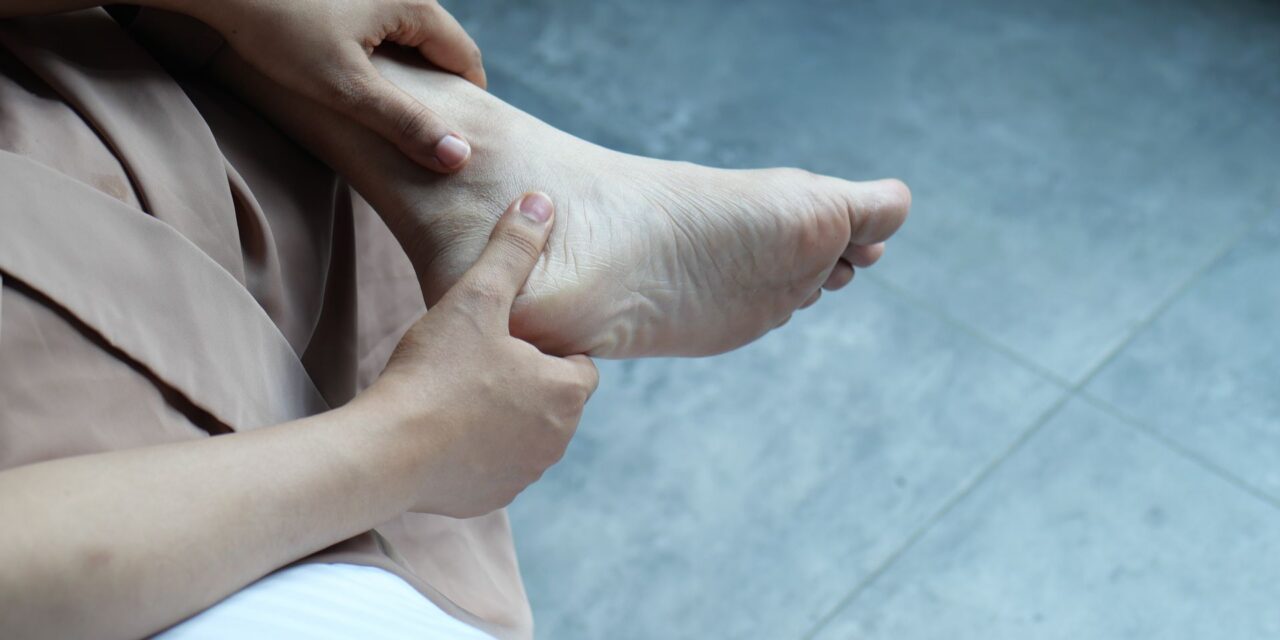
Last Updated: 11/20/26 Plantar fasciitis is the most common cause of heel pain. Patients often describe sharp pain under the heel with their first steps in the morning, sometimes spreading into the arch. The pain is often worse when you stand or walk again after sitting. An estimated 2 million Americans develop plantar fasciitis each...

Orthotics for Plantar Fasciitis: Do You Need Them?

Last Updated: November 2026 Most people with plantar fasciitis do not need orthotics. The research shows a small pain benefit at best, and the 2023 heel pain guideline advises against using them alone. They can help some patients, and how they are used matters. Plantar heel pain is the most common diagnosis behind pain on...

Muscles can be a significant source of pain in our bodies. Chronic muscular pain may be found locally over the muscle or can be felt in an area distant from the muscle known as referred pain. Multiple Physical Therapy interventions including dry needling, foam rolling, and soft tissue mobilizations can be utilized in the short...

Subacromial impingement syndrome is the most common cause of shoulder pain. These symptoms are easily treated with Physical Therapy interventions including manual therapy and exercise. Specifically, strengthening exercises for the shoulder blade and shoulder muscles improve both the quantity and quality of shoulder movements treating both the source of impingement pain and the underlying cause....

Thoracic manipulation by Physical Therapists has previously been shown to improve pain and function in patients with elbow, shoulder, and neck pain. Authors continue to research the mechanisms behind its’ effectiveness including a beneficial cascade of events in the peripheral and central nervous system, as well as, a possible biomechanical change in the spinal joints....

Very few evidence based treatments for musculoskeletal pain require the utilization of electricity. One notable exception is the utilization of muscular stimulation on post operative musculature. This category of treatments under the larger umbrella of modalities have not fared well in the research due to having little or no effect, their inability to beat a...