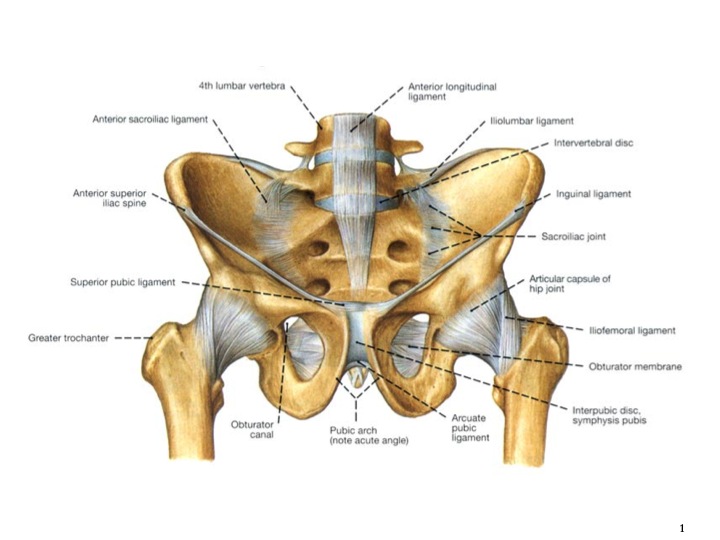
Boulder County Sacroiliac (SI) Joint Experts

Call Our Experts

Schedule Now

Boulder County Sacroiliac (SI) Joint Experts

Background

  • Sacroiliac (SI) pain is found in up to 1 in 4 patients with chronic back pain
  • Symptoms are primarily experienced in the lower spine, buttock, and hip
  • Trauma, as well as, pre and post partum conditions increase the likelihood of SI symptoms
  • Patients often report symptoms have not responded to prior treatments and injections

SI Joint Treatments

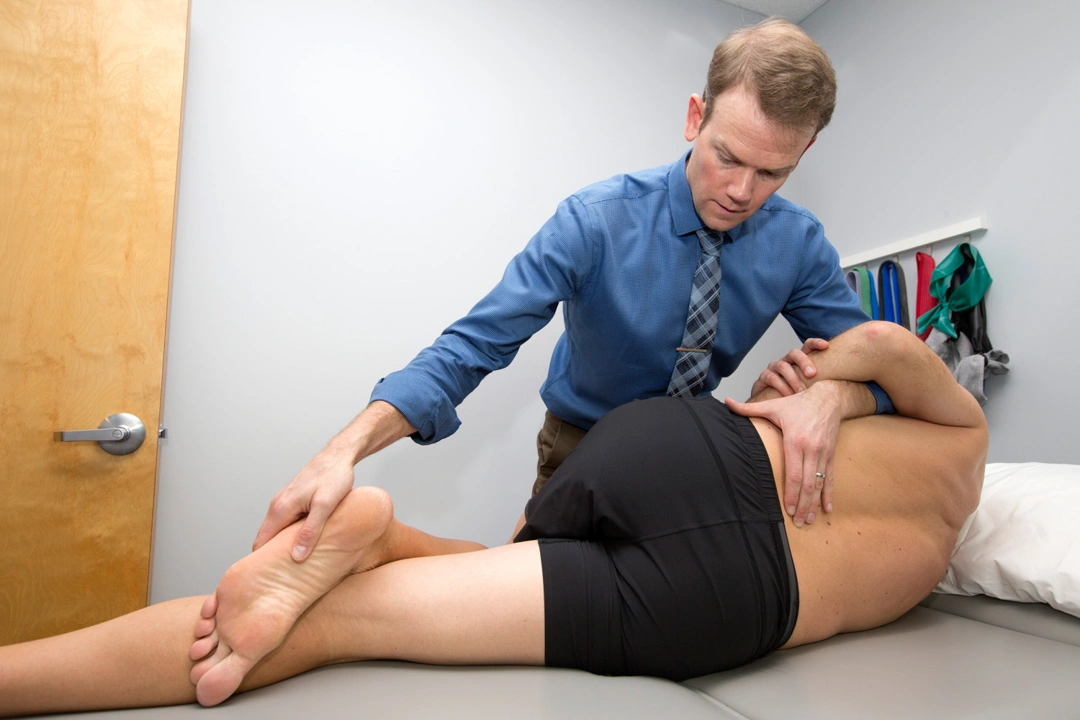
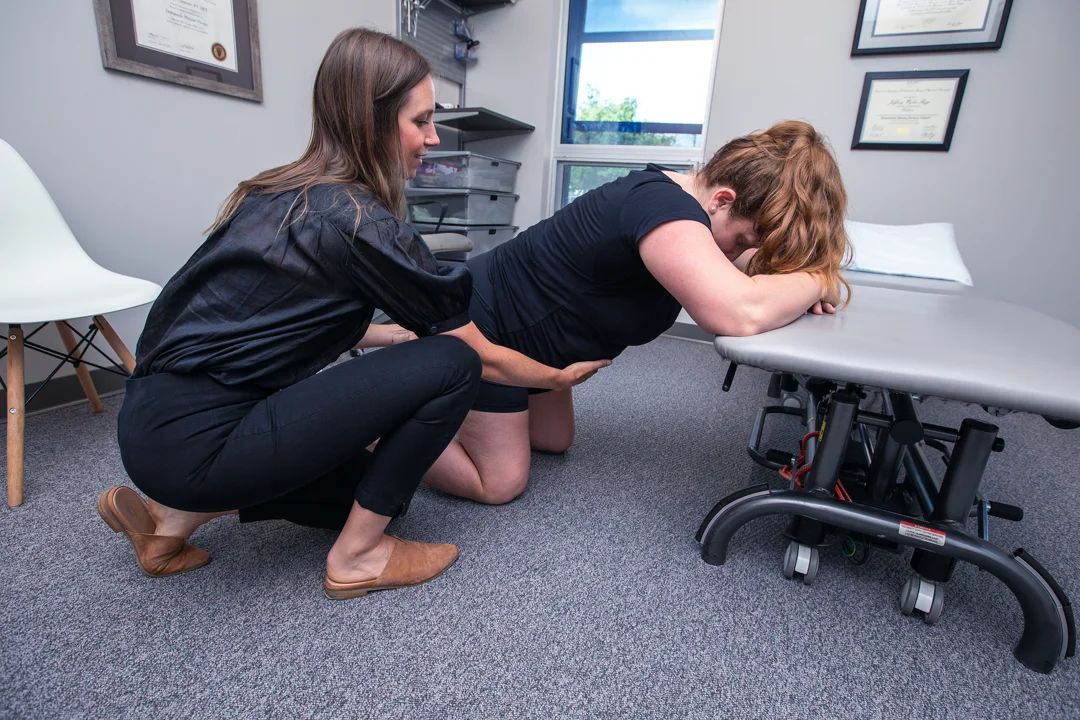
  • An accurate diagnosis can often be found through a thorough history and clinical examination by a DPT trained in the SI joint
  • Top level evidence supports the use of spinal manipulation to improve pain
  • Treating adjacent joints and muscular pain with dry needling helps accelerate a patient’s recovery
  • A gradual, individualized exercise program is critical for long term success
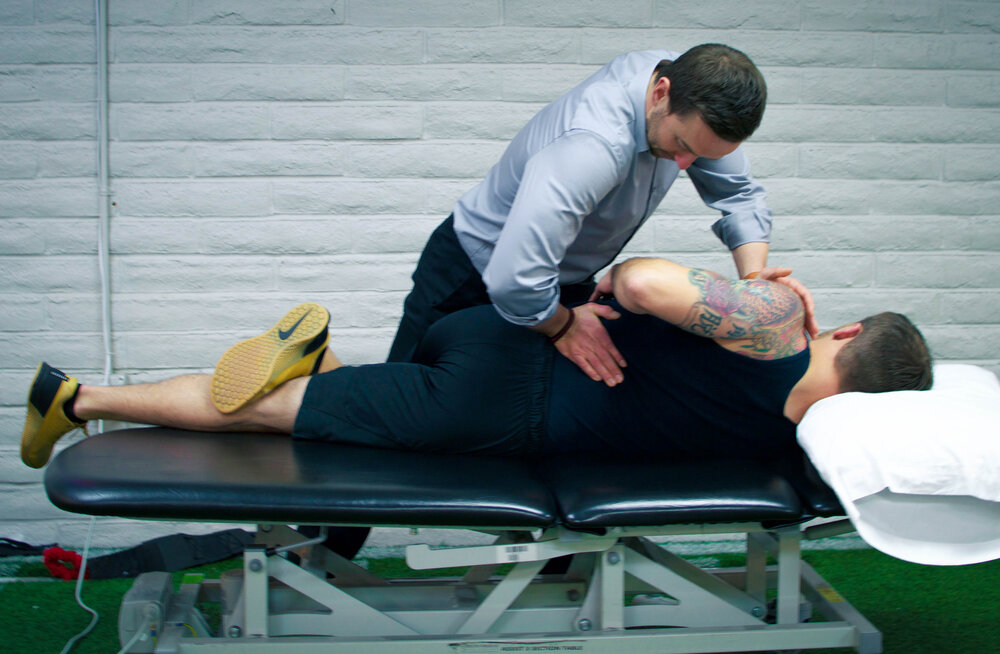
Treating low back pain in athletes
Si 3
Si 4

SI Joint Exercise Treatments

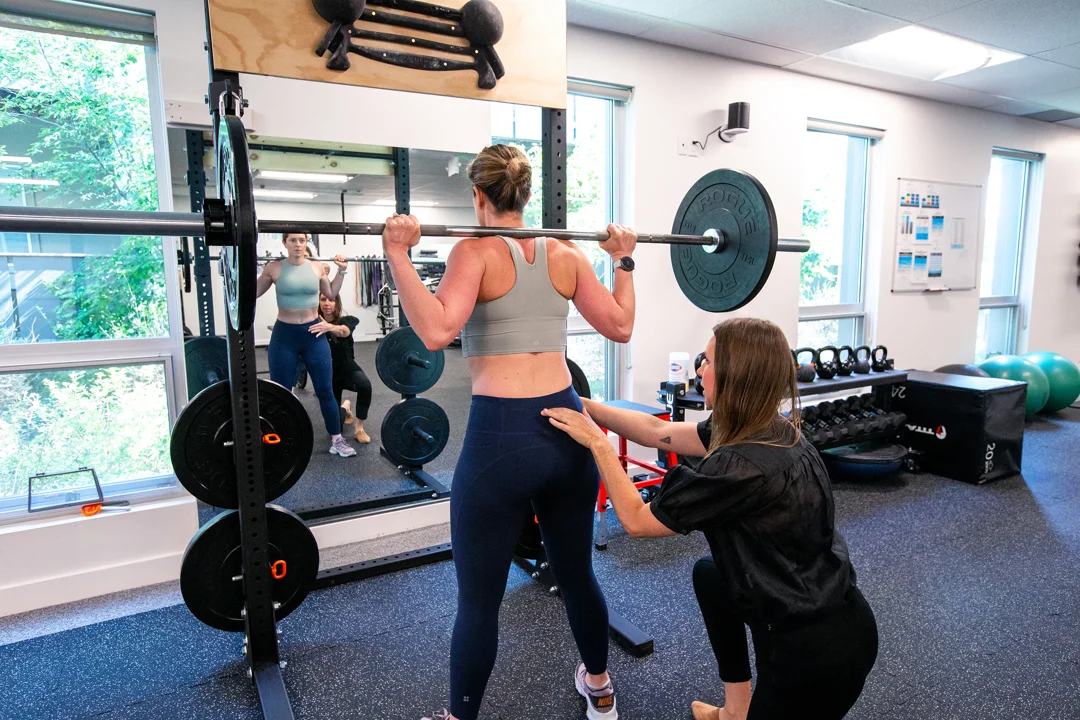
  • Top level evidence supports the use of strength training for this diagnosis
  • Exercise programs progress from local stabilization training to more global strength training exercises
  • The goal of the exercise program is to reduce recurrence and allow a safe transition back to each patient’s desired level of activity.

Real Results: Client Stories & Outcomes


These aren’t just success stories—they’re reminders of what’s possible.

Sacroiliac (SI) Joint Injury, Recovery, and Prevention Insights

Physical Therapists aim to utilize clinical objective tests to confirm their evolving hypotheses on the source of patient’s current symptoms.
Manipulation, along with strength training, remains one of the most effective treatments for patients with sacroiliac (SI) pain. Spinal manipulation
Healthcare demonstrates significant swings of the pendulum in examination and treatment trends. Thankfully the medical evidence helps balance these swings
There are few areas of Physical Therapy practice more controversial than the SI Joint.  Disagreements exist among clinicians and researchers
BackgroundSacroiliac (SI) joint pain is an less common source of low back pain but has a higher incidence pregnant and