Blog

Patellofemoral pain syndrome (pain around the knee cap) is the most frequent cause of knee pain and the most common diagnosis seen in sports medicine and physical therapy clinics.  The condition is often the result of a change in the dynamic alignment of the leg and knee joint during functional activities such as squatting, stair climbing,...

Performing traditional strength training movements with an added component of instability has long been know to change the recruitment of muscles.  The unstable nature of the exercise enhances position sense (proprioception), balance, and joint stabilization during each repetition.  Previous research recommends using stable surfaces and exercises when the goal is optimal strength and power development. ...

The knee is a vulnerable joint at times due to its’ location adjacent to the two long levers of our thigh and leg bones.  The length of the levers allows the ankle and hip to exert a high amount of forces across the knee.  The importance of treating these adjacent joints in patients with knee...

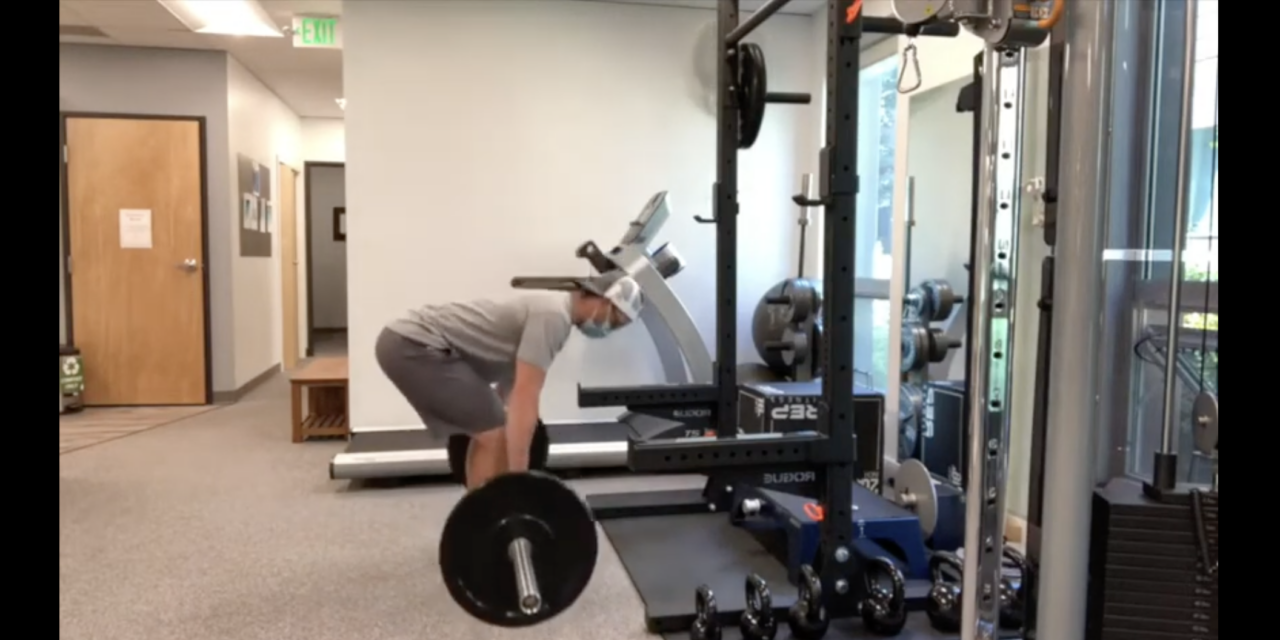
The gluteus maximus is an essential muscle for daily and recreational activities, but is often found to be weak among patients with musculoskeletal pain.   In our Boulder Physical Therapy practice we frequently find hip weakness among patients with low back, hip, knee, and ankle pain.  Improving gluteus maximus strength improves movement patterns, dynamic alignment, and tolerance...

If you only have limited time today choose a brisk walk, but if you have additional time consider lifting something heavy.  Untrained adults lose on average 3-8% of their muscle mass each decade with an accumulation of body fat.  This muscle loss contributes to a lower metabolic rate and continued body composition changes and weight...

Lateral elbow pain, tennis elbow, is a limiting condition causing pain with repetitive movements including gripping.  This condition was previously though to occur secondary to inflammation within the wrist and fingers tendons insertion into the arm, but current researchers have not found inflammatory cells in patients with this condition.  Instead, cells of the injured tendons...

A recent clinical practice guideline was published advising clinicians and patients on the management of achilles tendon injury (tendinopathy).  These guidelines are based on both the available medical research and medical opinions from experts in the field.  The Journal of Orthopedic and Sports Physical Therapy reported the following for management of mid portion achilles tendinopathy...

1 in 2 people in our country suffer from a chronic muscle, joint, or tendon injury.  These injuries create pain and lost time from life, work, and sport.  We can assume every one of these patients has sought out information or care on the management of these conditions.  From their first google search to consultations...