Blog

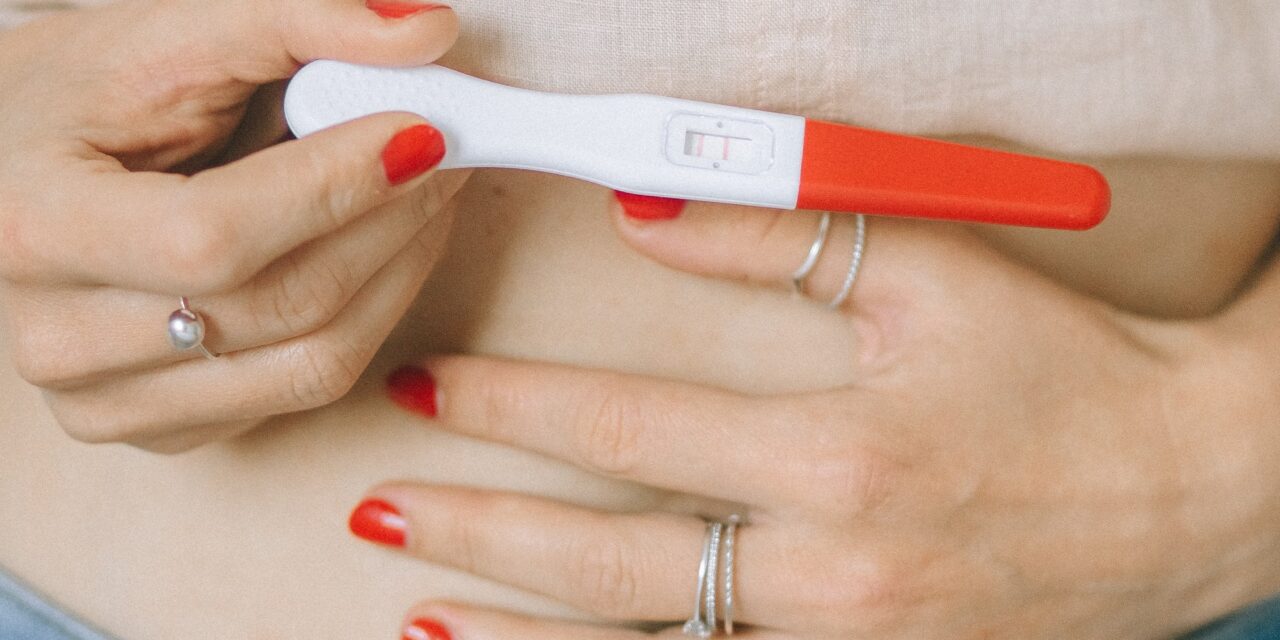
Postpartum runners potentially make up a large portion of community runners as most women participating in running events are of childbearing age. 35% of women returning to running after childbirth report running-related pain. In 2019, a group of international running experts developed guidelines for postpartum runners to safely and effectively return to running. This criteria...

CrossFit gets a bad reputation for having high rates of injury. I have heard many Physical Therapists and Orthopedic Surgeons say things such as “CrossFit keeps me in business.” This could not be further from the truth and is a lie the healthcare profession needs to stop propagating. My hypotheses for why people repeat ignorant...

Runners are no strangers to overuse injuries, often stemming from repetitive microtrauma in the lower quarter. One less common but significant complaint is buttock pain, which can impede an athlete’s training and competition.  In this blog, we’ll delve into the intricacies of hamstring-related issues in runners. Both Hamstring Syndrome and Hamstring Tendinopathy can cause that...

Strength AND (not or) Endurance: No Need to Compromise

Exercise programs have historically achieved adaptation through specificity of training. This principle of specificity has driven the exercise community to view training for endurance or strength as a compromise, to achieve one you must sacrifice the other. Adami et al recently showed that we can indeed have it all, that it is possible to have...

Running is one of the most common recreational and athletic activities in Boulder, CO. Despite improvements in shoes, training methods, and exercise programs participants in this sport continue to see high injury rates most commonly in the lower body. In our Boulder Physical Therapy practice we frequently treat these injuries to accelerate an individual’s recovery...

Women who participate in high-impact activities may be at higher risk for pelvic floor dysfunction (PFD) such as urinary incontinence than women who participate in low-impact activities. Following childbirth, 30% of mothers report urinary incontinence and 10% report anal incontinence. Women are all too often advised to avoid activities such as high intensity interval training...