Blog

Testosterone is an important sex hormone in the body primarily secreted by the gonadal organs. It is an essential hormone for fat free or muscle mass, bone density, energy levels, libido, and even red blood cell production. Similar to many body systems, testosterone production begins to decline around age 30 with the rate of decline...

Plyometrics have been utilized in late stage Physical Therapy and strength and conditioning programs for decades. These jumping and bounding movements are initially attributed to the Russian track and field coach Verkhoshanski in the 1960s as shock or jump training. The term plyometrics is attributed to Purdue University track and field coach Fred Wilt in...

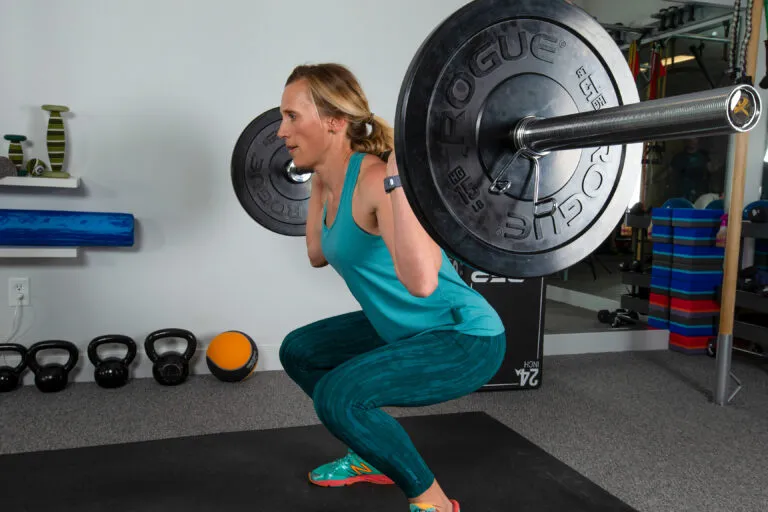
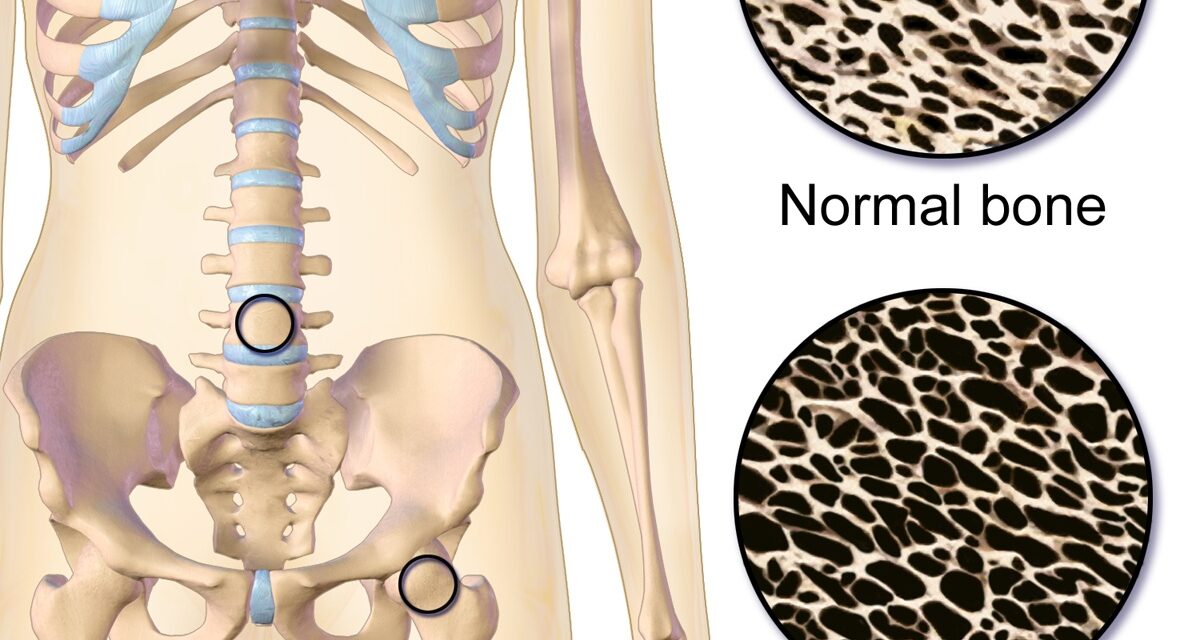
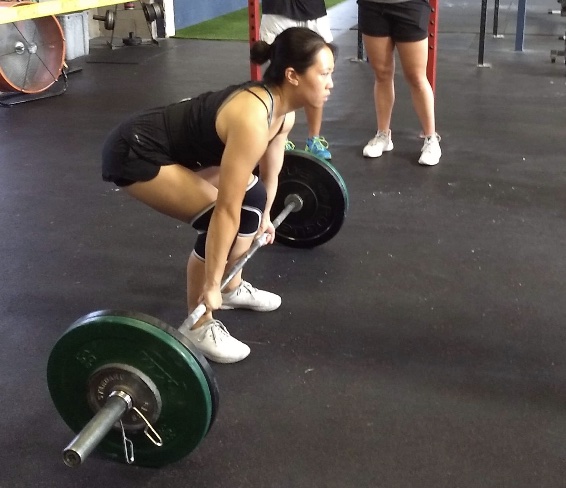
Strength or resistance training targeting the major muscle groups of the body is recommended by the American College of Sports Medicine for all adults a minimum of 2 days per week. Loss of muscle and bone mass over time can have significant functional and health consequences in the transition to older adulthood. Because of the...

What Is The Least Amount Of Weight Training I Can Perform And Still Benefit?

In our Boulder Physical Therapy and Lafayette Physical Therapy clinics cardio is king for many of our patients.  Although gaining in popularity, weight training unfortunately falls behind cardiovascular training in training frequency, intensity, and duration.  Patients not performing strength training can run the risk of reduced bone density, loss of muscle mass, reduced performance, and...

Is there a difference between working out on your own and with a coach?

Studies have found that training at higher intensities can be more beneficial for bone health and gaining strength than working at lower intensities (Watson et al. 2017; Refalo et al. 2021). But what about the difference between being supervised by a trained professional, like a physical therapist, and unsupervised with self-selected intensities? A study by...

Optimize Your Workouts to Your Menstrual Cycle

By: Rani Helvey-Byers, PT, DPT, OCS During a woman’s monthly cycle, the concentrations of hormones will vary significantly. But, what we don’t often realize is that these fluctuations can affect our athletic performance. Two hormones—estrogen and progesterone—play central roles in our energy levels, recovery, and exercise tolerance. Understanding how these hormones shift across the menstrual...

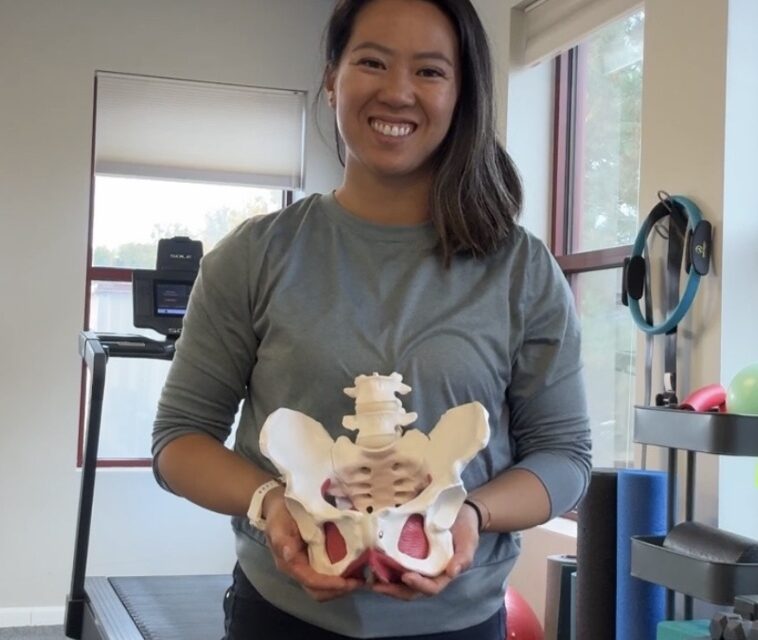
The tibia is the largest bone in our lower leg and absorbs the majority of weight bearing stresses during running.   The tibia’s anatomy and function make it the most commonly affected area for stress fractures/injuries in runners.  These injuries account for up to half of all stress related injuries among runners (Hreljac et al....