Blog

Concussions have received significant media and medical research attention over the last decade due to in part to the incidence of chronic traumatic encephalopathy (CTE) among former football athletes. This increase in attention to brain injuries has led to improved medical training and early recognition of concussion symptoms leading to improved care of athletes and...

Spinal manipulation is one of the oldest medical treatments dating back to Hippocrates and the ancient Egyptians. Theories behind its’ beneficial effects are as old as spinal manipulations use but many have erroneously detailed a purely mechanical effect of the treatment. It is not uncommon to hear patients report, “my spine was out of position/alignment/place...

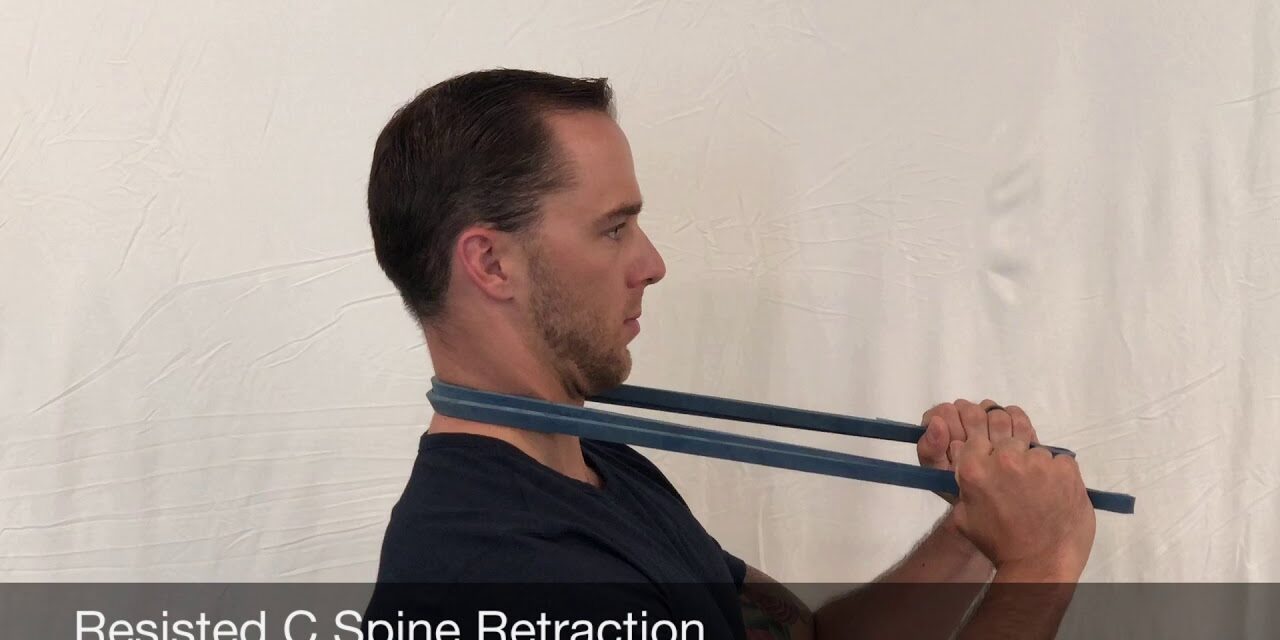
The muscles of the neck are responsible for movements of the head and shoulder blade, as well as, stabilization of the head on the neck during daily activities. These muscles must be capable of both low repetition, high force contractions as well as high repetition, low force contractions to accomplish these tasks. Patient’s with neck...

photo credit: radiopaedia.org Magnetic Resonance Images (MRI) have become increasingly sensitive to detecting abnormalities and pathologies in our bodies. As the technology has advanced radiologists are far less likely to miss an abnormality in the musculoskeletal system, but are more likely to find abnormalities that may or may not be causing a patient’s current symptoms....

What is pelvic organ prolapse and how do I know if I have it? Pelvic organ prolapse (POP) is the descent or tissue laxity of the front (bladder), back (rectum), or  top (cervical) aspect of the vaginal wall.  With less support from connective tissue and muscles of the pelvis, the bladder, uterus, or rectum can...