
Blog

Skiing remains one of the most popular outdoor winter sports in Colorado. It is estimated over 6.8 million skiers participated in the sport over the recent winter season. There are inherent risks of death and injury in both skiing and snowboarding, but thankfully due to technological updates and innovations overall injuries have fallen by half...

There are few treatments more effective for the prevention and treatment of injuries and musculoskeletal conditions than resistance training.  Unfortunately, many Americans are not performing enough strengthening to prevent the loss of muscle mass (sarcopenia) which begins to occur in the 3rd decade of life.  After age 30 we begin to demonstrate a progressive loss...

  Time is one of the finite resources in life and is reported as the main barrier by individuals who do not reach the national guidelines for exercise minutes each week. Each portion of a weekly exercise program should be evaluated for both health and fitness, as well as, injury prevention benefits. Static stretching consistently...

Top 5 Reasons Why Your My Exercise Program Is Not Working

Researchers estimate 1 in 5 adults will drop out of an exercise program. Time remains the most common reason for drop outs, but many participants state lack of improvement. This frustration is understandable given the individual’s commitment of time, energy, and money toward their health and fitness goals. The reasons for lack of improvement are...

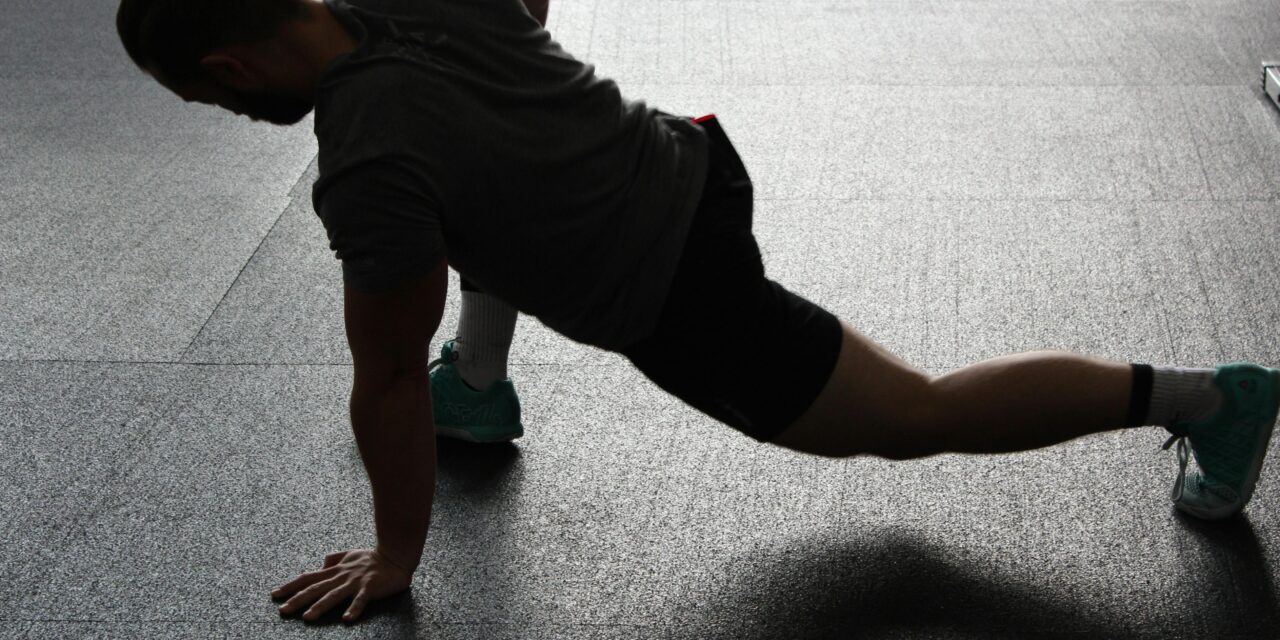
Eccentric exericise, where our muscles contract and lengthen, is an essential part of any exercise program.  Its benefits of strength, flexibility, and injury prevention are well known in the literature and have been discussed on our prior blog posts.  Eccentric exercise as pictured above has a unique stimulus on the structure of the muscle and...

Aerobic exercise should be the foundation of your weekly exercise program because of the mental, emotional, and physical health benefits associated with this type of exercise. Some individuals who complete daily aerobic exercise or training incorrectly believe this type of exercise is sufficient for muscle growth and strength development. Resistance training remains the gold standard...

A common question we receive from young throwers and their parents is how to improve throwing velocity safely without undue stress on their arms.  Our prior posts on throwing have focused on reducing arm stress through injury prevention and lower quarter strengthening.  This post will focus on the research surrounding exercise programs designed to improve...

In our prior posts on injury prevention in sports we have highlighted the importance of training volume management, balance training, and strength training.  Of all the training options, strength training is the most important due to its’ ability to cut an athlete’s risk of injury in half.  Despite the evidence many healthy athletes focus a...

The hamstrings are a group of 3 muscles running from the pelvis to the back of the knee.  These muscles are an essential component of the posterior chain improving lower back, hip, and knee stability.  In our previous posts we have discussed the importance of developing these muscles for injury prevention and sports performance.  Specifically,...

Reducing Hamstring Strains in Sprinters

Hamstring strains or pulls are a common injury among acceleration sports including rugby, soccer, and sprinting.  Our previous blogs have written about the causes and treatments of these muscle injuries.  One of the common causes of injury involves a lengthening contraction (eccentric) of the muscle during these explosive sports movements.  If the muscle is unable...