
Blog

Hip Labral Surgery FAQ

By: Maggie Gebhardt, PT, DPT, OCS, FAAOMPT Prior to having hip labrum or impingement surgery, make sure to ask your physician as many questions as possible before the procedure so that you can make the most informed decision. All surgeons have differing protocols, so it is important to ask your surgeon what their specific recommendations...

What Are The Best Treatments For Hip Arthritis?

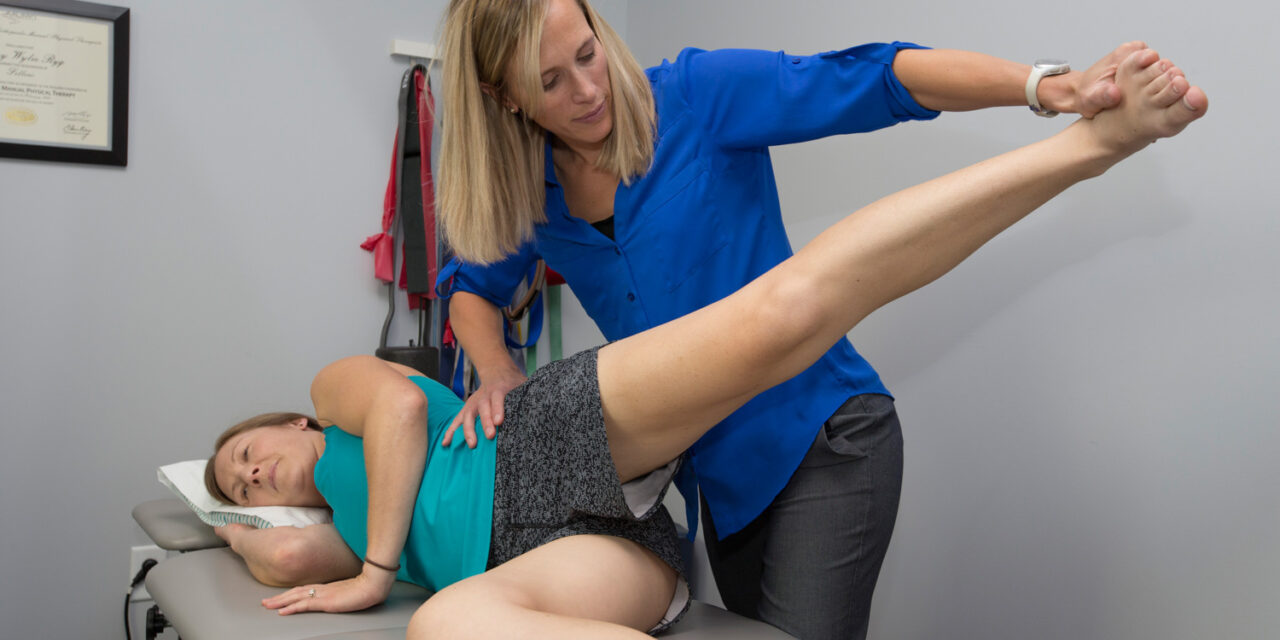
Hip osteo arthritis (OA) is a common condition with authors reporting up to a 20% prevalence among adults in the U.S.  Hip OA remains the most common cause of hip pain in middle to older aged adults often felt in the front of the hip or groin.  This condition often leads to pain and loss...

Do I Need Physical Therapy After My Hip Replacement?

Over 350,000 total hip replacements are performed in our country each year.  Most commonly these surgeries are performed to improve pain and function in end stage hip osteoarthritis.  In prior decades, a posterior or backside approach was common in the replacement.  In comparison, an anterior or frontside approach to the hip is more common in...

How to improve balance during a handstand

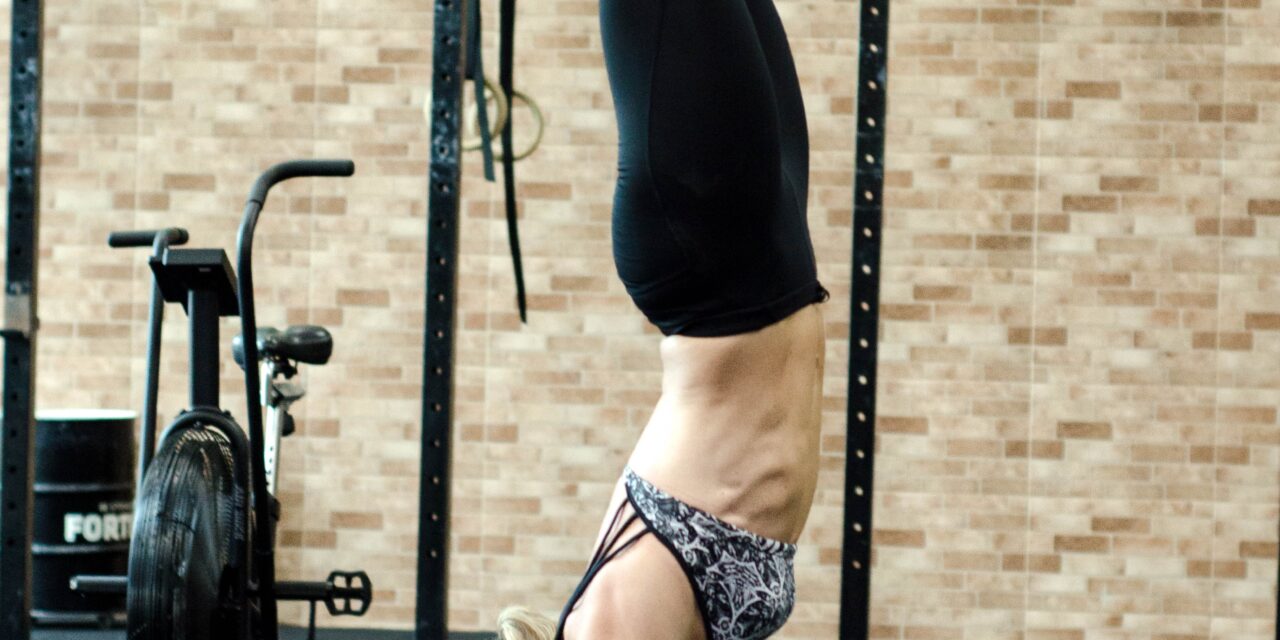
Wrist strategy for maintaining balance in a handstand The handstand is a unique position that requires placing one’s entire weight through the hands. Different strategies can be adopted to maintain balance in the handstand on the floor. Studies looking at successful strategies for maintaining balance in high-level handbalancers concluded that more experienced handbalancers relied on...

Low back pain is the most common reason patients seek out the care of their primary care physician and Physical Therapist.  Physical Therapy has been shown to be an effective first line treatment for both managing the symptoms of low back pain, as well as, preventing their recurrence.  Manual therapy techniques performed by Physical Therapists...

Lack Of Hip Mobility Impacts Low Back Pain Symptoms

Do you have low back pain? At our Boulder Physical Therapy and Lafayette Physical Therapy clinics we often examine your hip mobility even though your low back is your area of complaint. Adjacent areas to the back, including the hip, can influence how we move and perform each day. A recent study investigated the relationship...

In a previous blog we wrote about why you should not spend your valuable exercise time rolling your iliiotibial (IT) band.  In short, this strong fibrous band will not stretch or move in response to any painful exercise with a foam roller or soft tissue tool of your choice.  This is a classic example of...

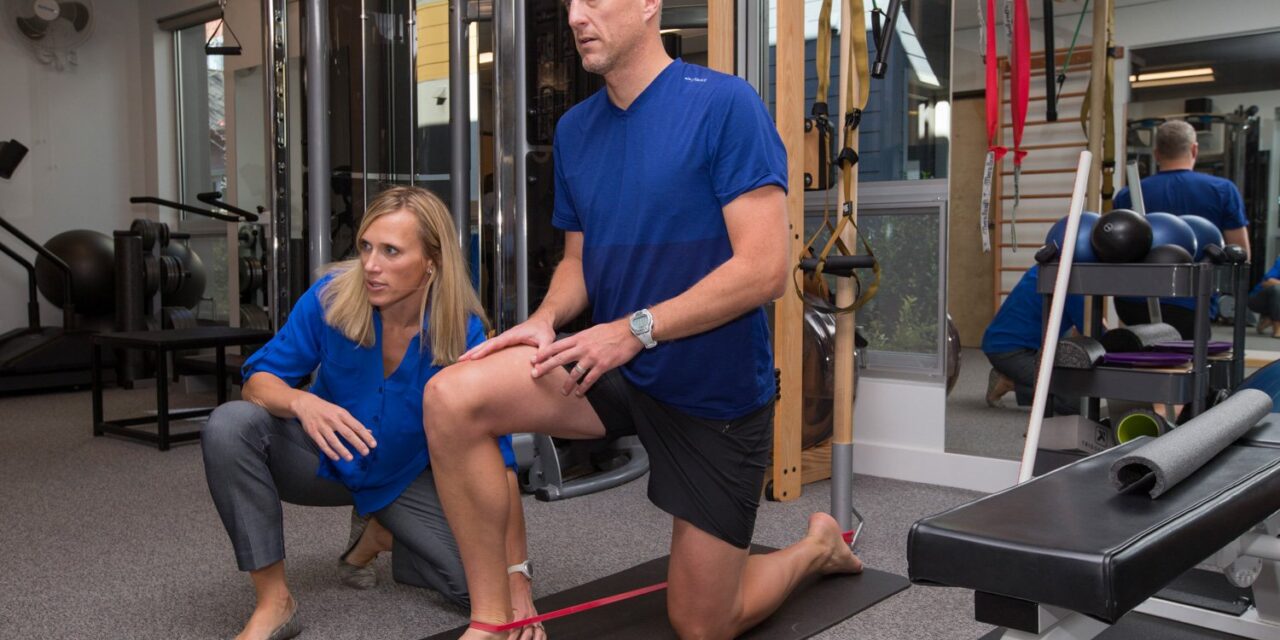
In our Boulder Physical Therapy practice, individualized, progressive exercise is an essential part of each patient’s recovery.   Teaching correct exercise technique often requires both tactile and verbal cues.   Specifically in the lower body we cue to both improve the relative motions at the spine and hips to optimize movements for pain reduction, strength development, and...