Blog

Stretching either dynamically or statically has long been shown to create both short and long term improvements in flexibility, but the mechanism of action behind this form of exercise continues to evolve. Changing human tissue takes considerable time and consistent forces. For example, consider muscle growth or bone density adaptions to exercise. Previous research on...

Testosterone is an important sex hormone in the body primarily secreted by the gonadal organs. It is an essential hormone for fat free or muscle mass, bone density, energy levels, libido, and even red blood cell production. Similar to many body systems, testosterone production begins to decline around age 30 with the rate of decline...

Plyometrics have been utilized in late stage Physical Therapy and strength and conditioning programs for decades. These jumping and bounding movements are initially attributed to the Russian track and field coach Verkhoshanski in the 1960s as shock or jump training. The term plyometrics is attributed to Purdue University track and field coach Fred Wilt in...

What Is The Least Amount Of Weight Training I Can Perform And Still Benefit?

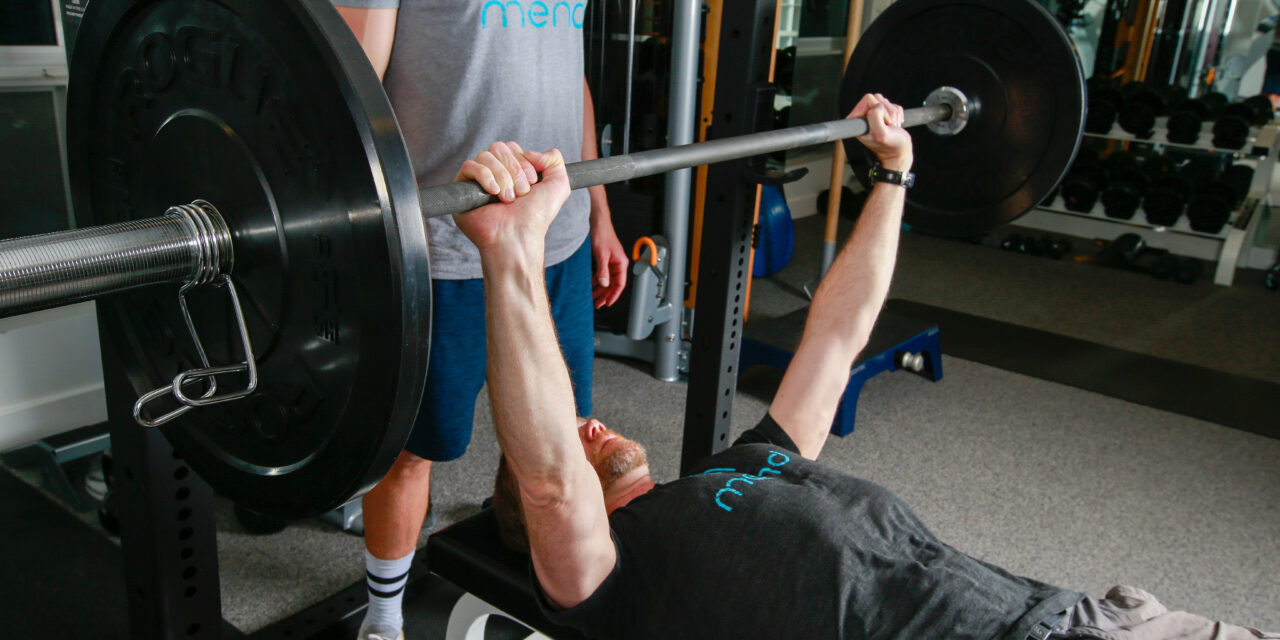
In our Boulder Physical Therapy and Lafayette Physical Therapy clinics cardio is king for many of our patients.  Although gaining in popularity, weight training unfortunately falls behind cardiovascular training in training frequency, intensity, and duration.  Patients not performing strength training can run the risk of reduced bone density, loss of muscle mass, reduced performance, and...

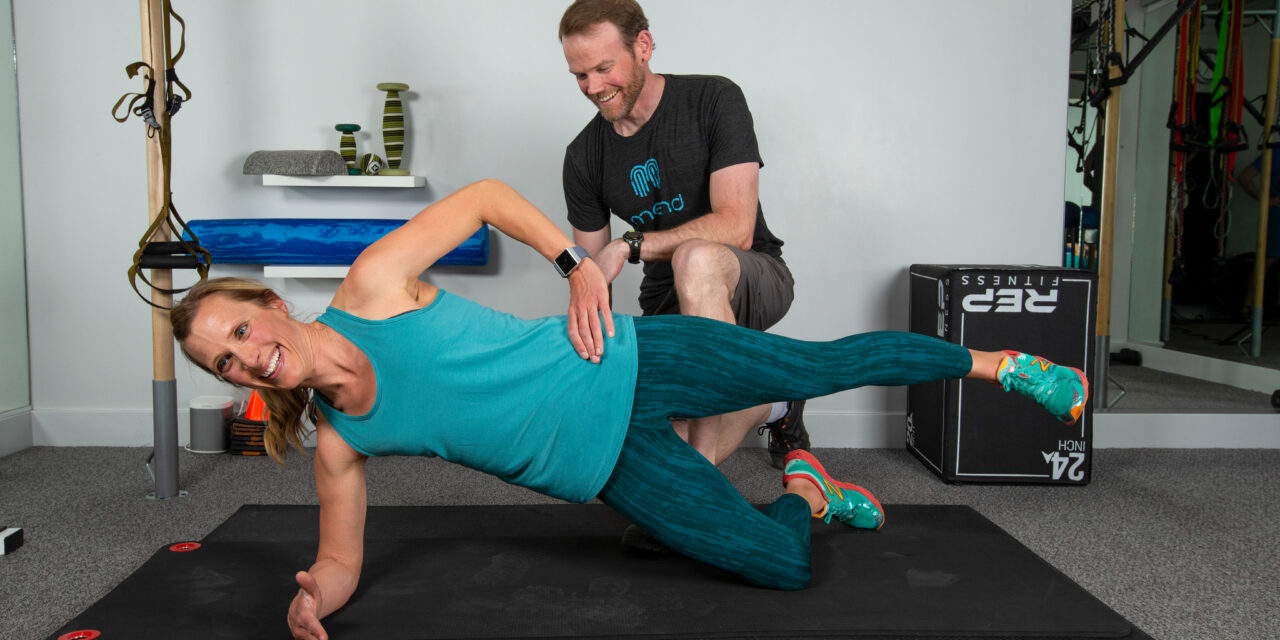
Is there a difference between working out on your own and with a coach?

Studies have found that training at higher intensities can be more beneficial for bone health and gaining strength than working at lower intensities (Watson et al. 2017; Refalo et al. 2021). But what about the difference between being supervised by a trained professional, like a physical therapist, and unsupervised with self-selected intensities? A study by...

Optimize Your Workouts to Your Menstrual Cycle

By: Rani Helvey-Byers, PT, DPT, OCS During a woman’s monthly cycle, the concentrations of hormones will vary significantly. But, what we don’t often realize is that these fluctuations can affect our athletic performance. Two hormones—estrogen and progesterone—play central roles in our energy levels, recovery, and exercise tolerance. Understanding how these hormones shift across the menstrual...

Bone density loss is most commonly associated with diagnoses including osteopenia and osteoporosis where affected individuals fall below the mean bone density levels of their peers. In our previous blog we described recent research indicating these individuals can improve their bone density through progressive weight training and jump training. This study challenged previously held incorrect...

What Should the Best Rehabilitation Program for Postpartum Athletes Include?

A recent article in the Journal of Orthopaedic and Sports Physical Therapy (Deering et al, June 2020) discusses the research currently available to guide a return to exercise (including competitive sport) after pregnancy and childbirth. The short answer is, there’s not much. The article proposes a 3 phase approach to postpartum recovery in athletes.   Phases...