Blog

Our previous posts have documented the success of Physical Therapy treatments on sciatica, radiating pain down the back of leg, compared to other conservative treatments and surgery.  Specifically, no differences have been noted between surgery and PT at long term follow up.  Another medical intervention for sciatica includes non steroidal anti inflammatory drugs (NSAIDs).  These...

photo credit: radiopaedia.org Magnetic resonance imaging of musculoskeletal pain has long been known to find various pathologies, including herniated disks, tendon tears, and spinal stenosis, which may or may not contribute to an individual’s symptoms.  These spinal and extremity findings are common in pain free individuals especially over the age of 30 years old.  As...

4 treatments for lumbar spinal stenosis

Lumbar spinal stenosis (LSS) is a common diagnosis given to those experiencing low back pain. The gold standard of diagnosing stenosis is using an MRI to determine closure of natural occurring spaces of the lumbar spine. At times the closures can contribute to impingement of nerves or spinal canal which can lead low back pain...

Death and taxes are said to be the two certainties in life for adults, but Ben Franklin may have added low back pain given its’ current prevalence. Up to 90% of adults will report an episode of low back pain during their lifetimes. Fortunately, the vast majority of these episodes are not secondary to any...

Dry needling for low back pain

Dry needling treatments performed by Physical Therapists have gained in popularity among both clinicians and patients with low back pain.  The treatment is designed to reduce pain and restore muscle function.   Inserting small, monofilament needs into trigger points within painful muscle groups can lead to immediate changes in pain and movement.  While the mechanism of...

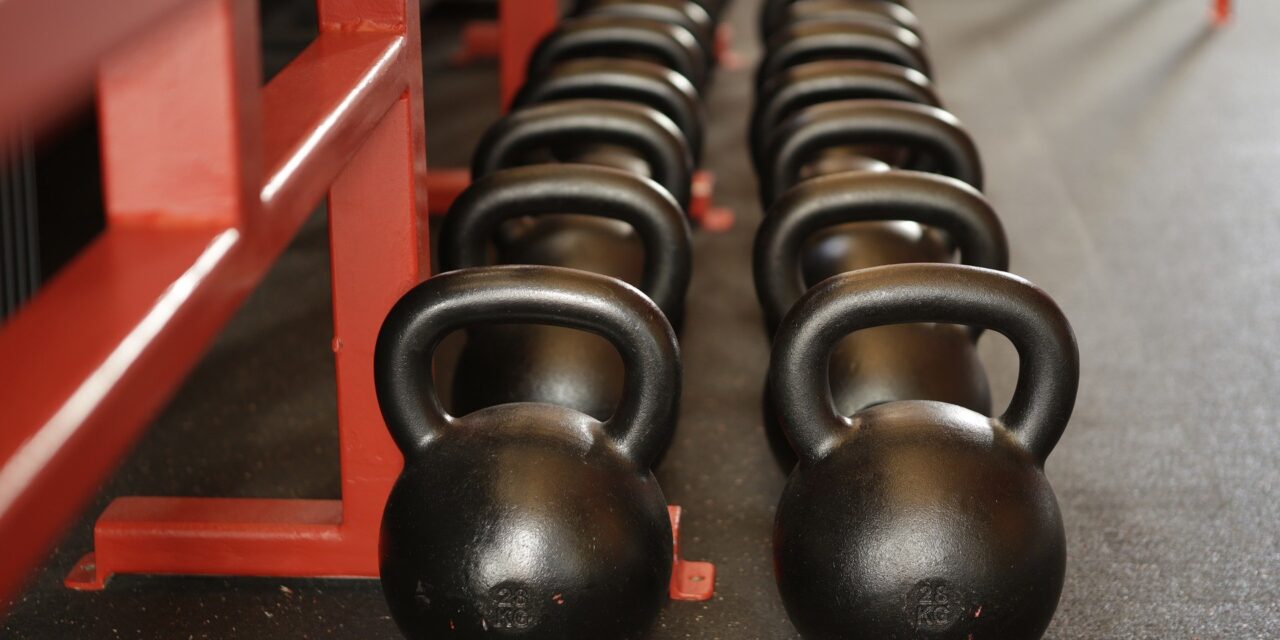
Are Kettlebell Swings Helpful and Safe for Low Back Pain?

The majority of people with low back pain will demonstrate altered coordination and communication between the nervous system and muscles.  This leads to altered movement patterns which may perpetuate symptoms and lead to more chronic low back pain and muscle imbalances.  Primary movers for our movement patterns (example: glutes) may be substituted for weaker, less tolerant...