Blog

Up to 250,000 athletes will sustain an ACL injury each year and the majority of these patients will require Physical Therapy before and/or after their ACL reconstruction surgery.  These athletes may be at risk of future lower extremity injuries either on their involved or uninvolved lower extremity because of inadequate physical therapy, poor movement patterns,...

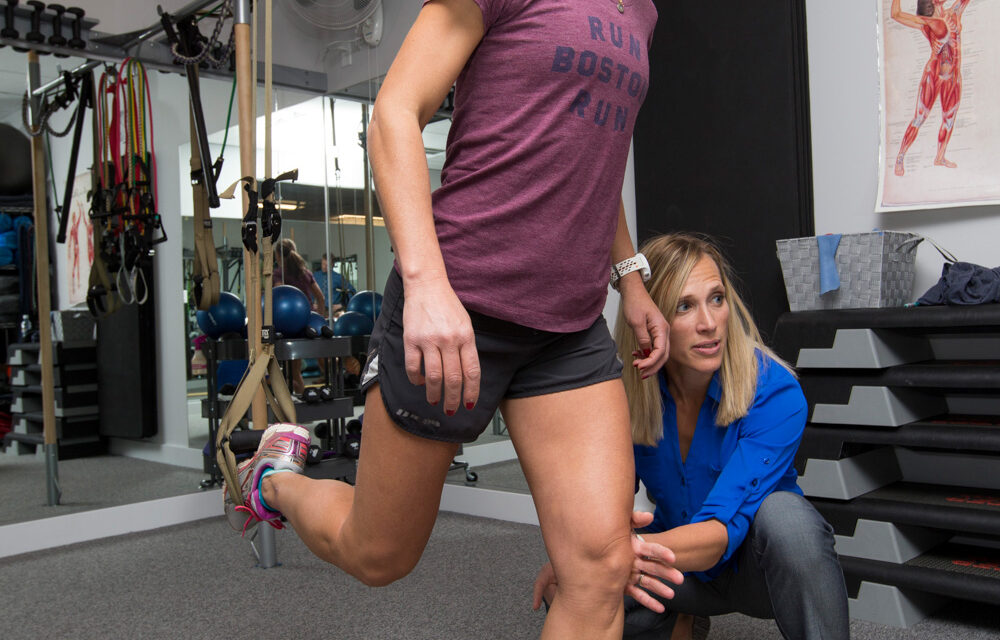
ACL sprains and complete tears are of the most common injuries we encounter at Mend Physical Therapy. Prior posts in our blog have detailed many topics on ACL injury including prevention, treatment, and return to sport.  As ski season approaches in Colorado some of our fellow skiers will injure their ACL contributing to an estimated 250,000...

No Differences In Muscle Strength Or Size Found Using Blood Flow Restriction After ACL Surgery

ACL injuries remain one of the most common sports injuries rehabilitated by Physical Therapists.  Athletes returning from ACL injury, treated either conservatively or surgically, face a difficult recovery period due to reduced agility, balance, power, mobility, and strength. Blood flow restriction (BFR) is a commonly used modality combined with exercise to improve muscle strength and...

As ACL injuries continue to rise among professional and recreational athletes Physical Therapists will continue to rehabilitate these athletes in order to allow them to safely return to sports.  In our practice in Boulder, we commonly see athletes over the course of 6-9 months post operatively as they develop the strength, balance, and sport specific...

An ounce of prevention is worth a pound of cure-Benjamin Franklin   As warmer weather returns, many of us will increase our physical activity each week in an effort to improve our health, well-being, and physical performance. A common question asked in our clinic by our patients and clients recovering from an injury is “could...

In our experience, a sub group of patients who have successfully returned to sports after an ACL injury continue to be at risk for future injury.  Physical Therapy interventions can significantly reduce the risk of future injury to either an athlete’s involved or uninvolved leg.  Athletes who complete their prescribed Physical Therapy visits have both...

ACL injuries are on the rise across the United States as more individuals participate in athletic activities.  As described in prior posts, the majority of these ligament injuries do not involve contact but rather occur with deceleration and directional changes in sports.   Athletes with decreased strength, balance, and coordination are unable to dissipate forces placing...

Athletes often return to sports around 6-9 months after ACL reconstruction and Physical Therapy.  In a previous ACL post we described how important these Physical Therapy sessions are to an athlete’s recovery.  Each session after surgery is designed to move the athlete closer to the all important return to play.  New research is showing how...

In our previous posts we have detailed the risk factors for ACL injury and the effectiveness of Physical Therapy to reduce this risk especially among adolescents.  A percentage of athletes who return to sport will re injure their ACL leading to further surgeries and Physical Therapy.  A delayed return to sport allows the athlete more...

In the last few years, research has been published challenging the commonly held belief that every ACL tear should have surgery.  In our prior blog posts we have detailed the research studies showing Physical Therapy can prevent the need for ACL surgery among young, healthy adults.  Many of these patients are called “copers” due to...