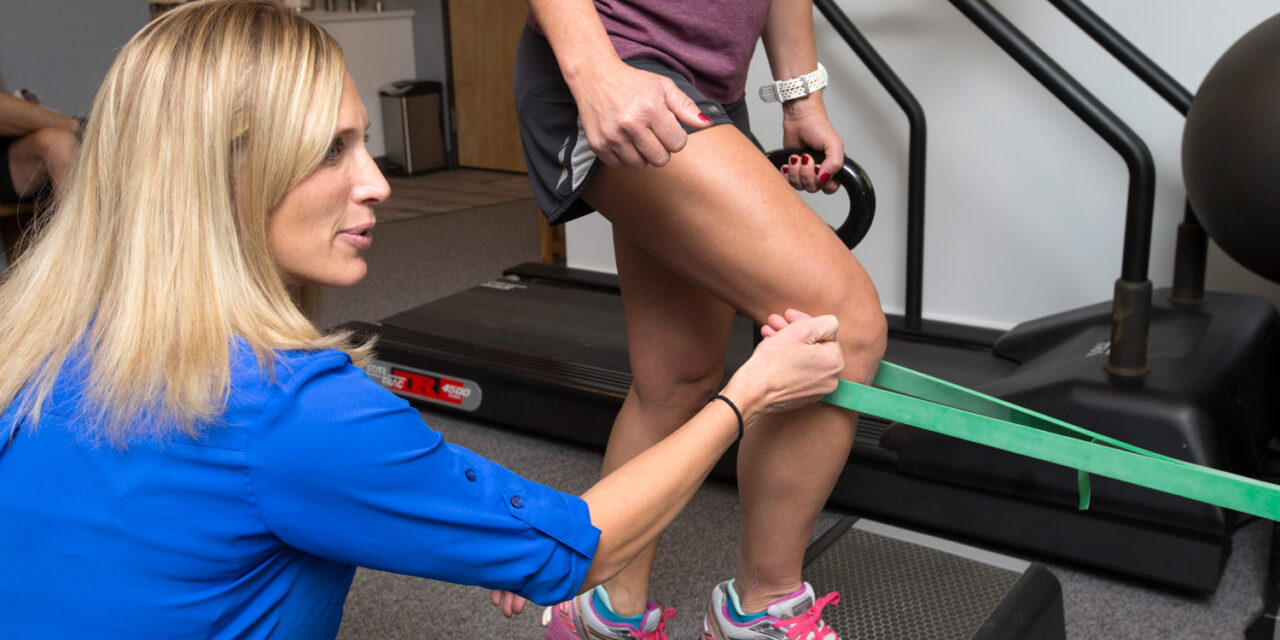
Patellar tendon ACL grafts create a second healing site: the tendon itself. Here's how that changes rehab in Boulder and Lafayette.

Patellar tendon ACL grafts create a second healing site: the tendon itself. Here's how that changes rehab in Boulder and Lafayette.
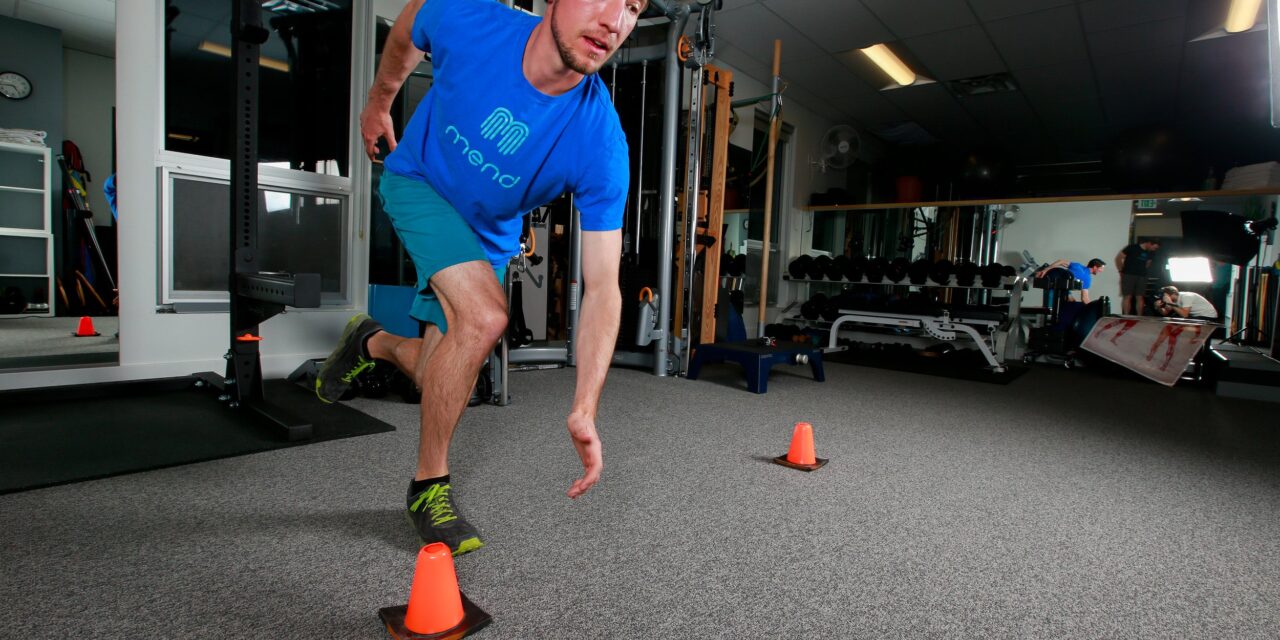
Jumping after ACL surgery is a major milestone and at Mend Colorado, we know how important it is for you to return safely and confidently to your favorite activities. Serving Boulder, Lafayette, and the greater Colorado community, our team uses the latest research and a truly personalized approach to guide your recovery every step of...
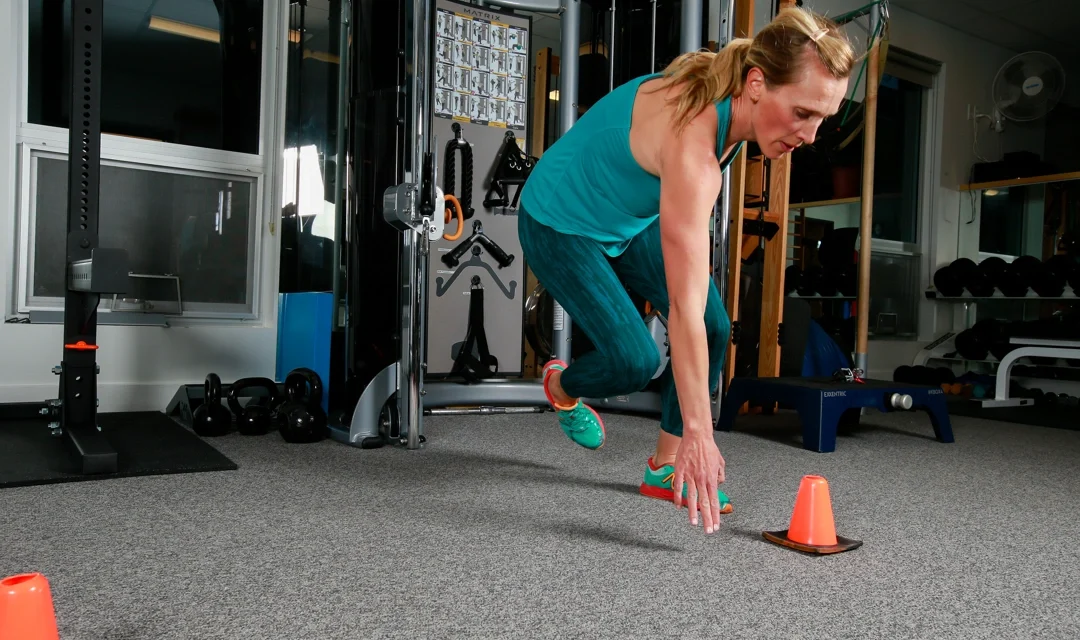
By: Lucas Glomb, PT, DPT, OCS High-quality ACL rehabilitation should be criterion-based, not time-based. Most people recovering from ACL surgery are told they’ll return to sport in 6–9 months. While healing timelines matter, time alone does not determine readiness. Two people at the same point on the calendar can have completely different strength, movement quality,...
By: Lucas Glomb, PT, DPT, OCS If you’ve had ACL reconstruction or are preparing for surgery, graft choice plays a major role in how your knee heals and how physical therapy progresses. At Mend Physical Therapy, we work with ACL patients across Colorado to tailor rehab based on the specific graft used and the demands...
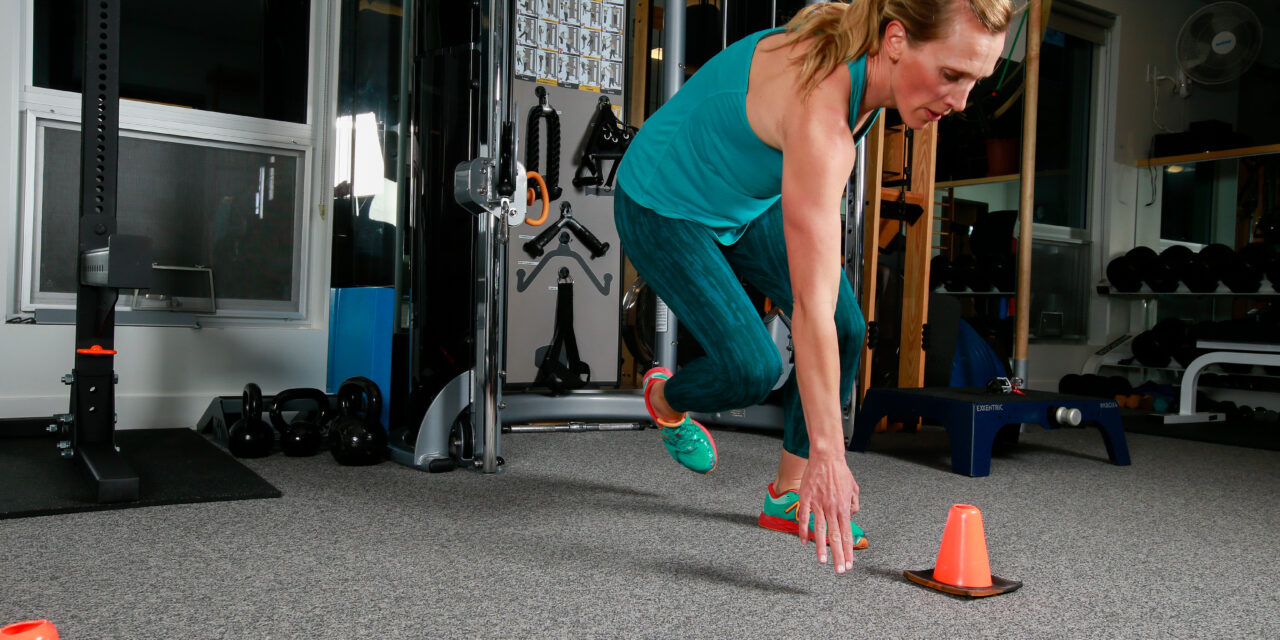
By: Lucas Glomb, PT, DPT, OCS Many people think that once they’re cleared to return to sport after ACL reconstruction, the work is done. But for many athletes, the real challenges show up months, or even years, later. Depending on the type of graft used for reconstruction, patients may develop chronic issues that limit performance...
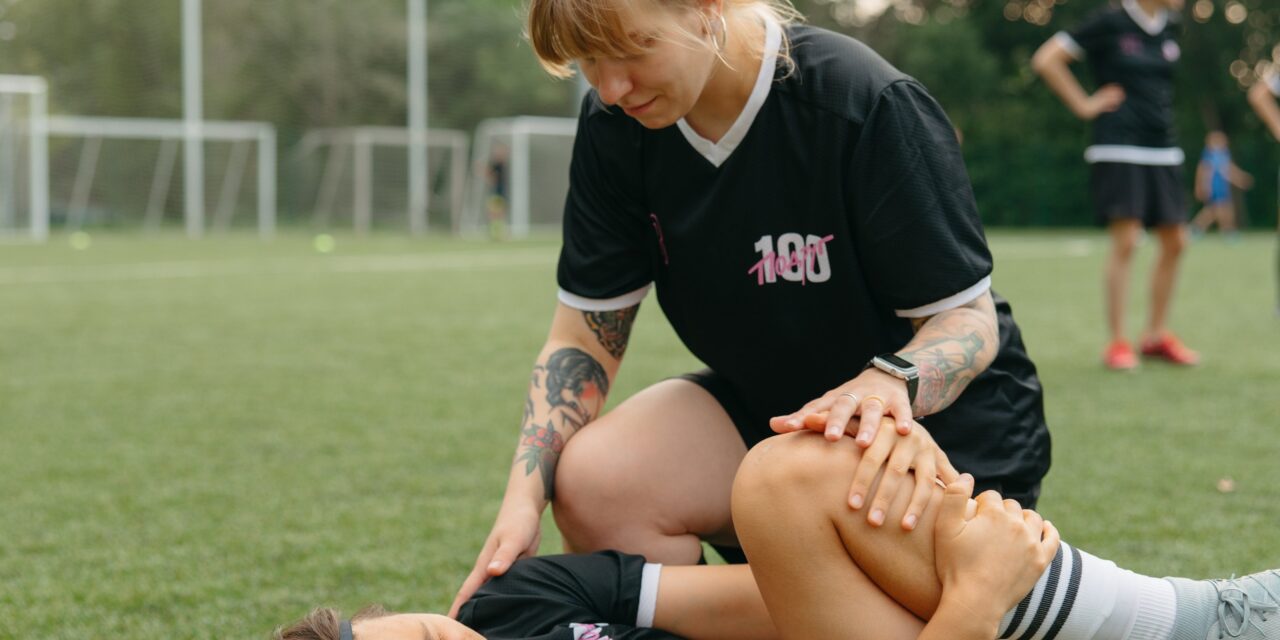
ACL injuries are one of the most common sports injuries seen in our Boulder Physical Therapy and Lafayette Physical Therapy clinics. Previous research on this injury has questioned the utilization of surgery for every patient with an ACL tear due to many returning to full function with Physical Therapy alone. Authors and researchers have questioned...
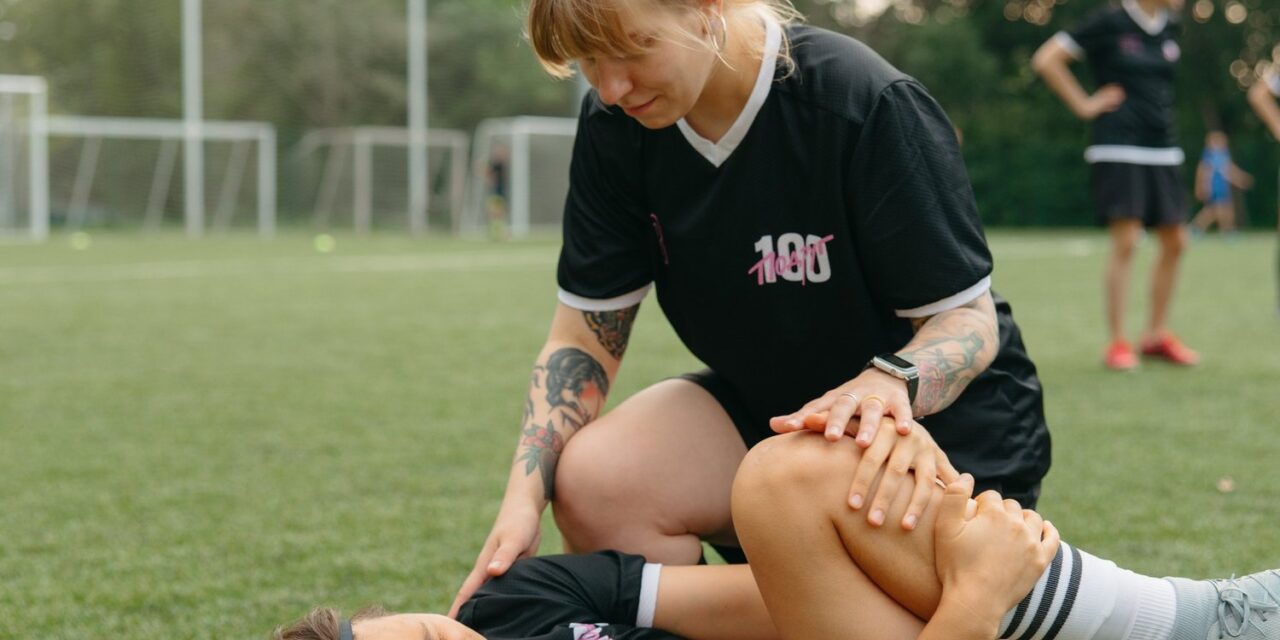
ACL injuries are one of the most common sports injuries with estimates ranging from 100-200K tears per year. Female athletes are at significantly greater risk for ACL tears and have a 6-8 x greater risk of injury compared to their male peers in the same sport. After an ACL injury, each athlete should meet with...
Basketball has one of the highest injury rates in sports with articles reporting up to 7-10 injuries per 1000 athlete exposures (Dick et al. J Athl Train. 2007). As expected, the majority of these injuries occur in the lower extremity, in particular within the knee and ankle. Authors report both overuse (tendinopathy) and traumatic (sprain,...
We have written previously about the high rates of subsequent knee injuries after an athlete returns to sport and activity after ACL surgery. Interestingly, the most common site of injury is on the opposite knee indicating athlete’s are using a compensatory balance and coordination strategy during play. Current research is working on developing physical therapy...
Post operative immobilization is often utilized after ACL surgery in an attempt to support the knee joint. The reasoning behind the bracing includes reducing abnormal forces across the knee, patient comfort, and reducing the risk of injury to the recently repaired tissues. Research has currently not found a strong benefit of early post operative bracing for...