
Blog

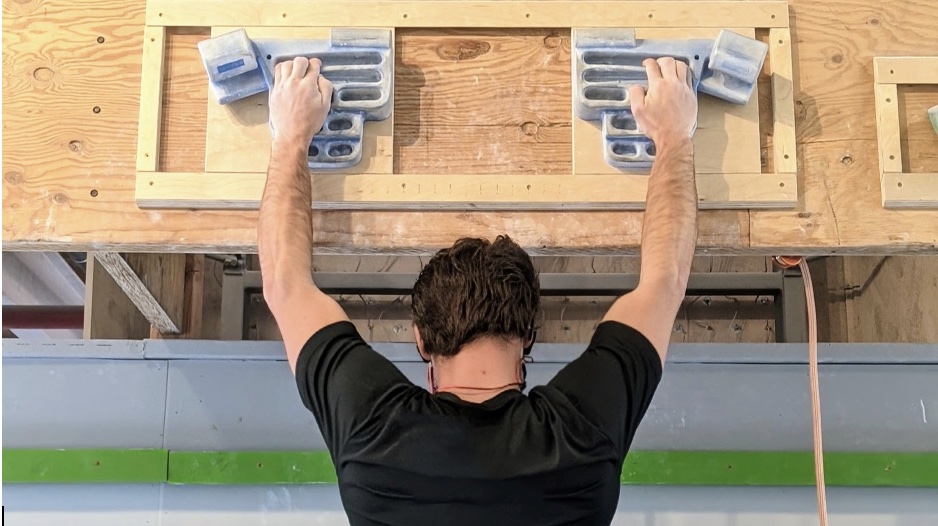
Overtraining In Rock Climbing

Overtraining syndrome (OTS) is a condition that arises from an imbalance between training, recovery, and the body’s ability to adapt. In the context of rock climbing, which is a demanding sport requiring strength, endurance, and mental acuity, recognizing the signs and symptoms of OTS can help to avoid injury and setbacks in reaching goals ....
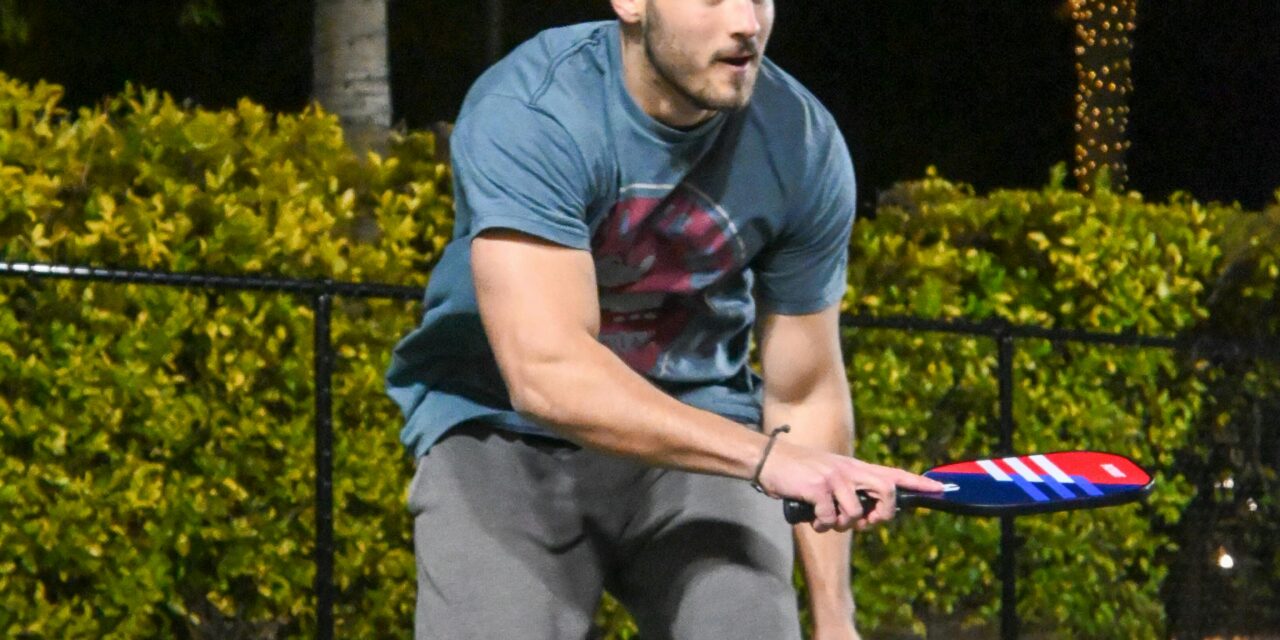
Reducing Fall Risk And Improving Performance In Pickleball Players

Pickleball is one of the fastest-growing sports, especially among recreational athletes. While it’s a great way to stay active, the quick movements and changes in direction can lead to injuries, particularly if certain muscle groups aren’t strong enough to handle the physical demands.  In our Boulder Physical Therapy and Lafayette Physical Therapy clinics we often...

By: John Crawley, PT, DPT, OCS Introduction Lateral elbow pain is a common complaint among rock climbers, often impacting performance and enjoyment of the sport. While several conditions can cause this discomfort, two primary culprits are wrist extensor tendinopathy and triceps referral pain. Distinguishing between these conditions is necessary for effective treatment and rehabilitation. In...

Overtraining In Rock Climbing

By John Crawley, PT, DPT, OCS Overtraining syndrome (OTS) is a condition that arises from an imbalance between training, recovery, and the body’s ability to adapt. In the context of rock climbing, which is a demanding sport requiring strength, endurance, and mental acuity, recognizing the signs and symptoms of OTS can help to avoid injury...

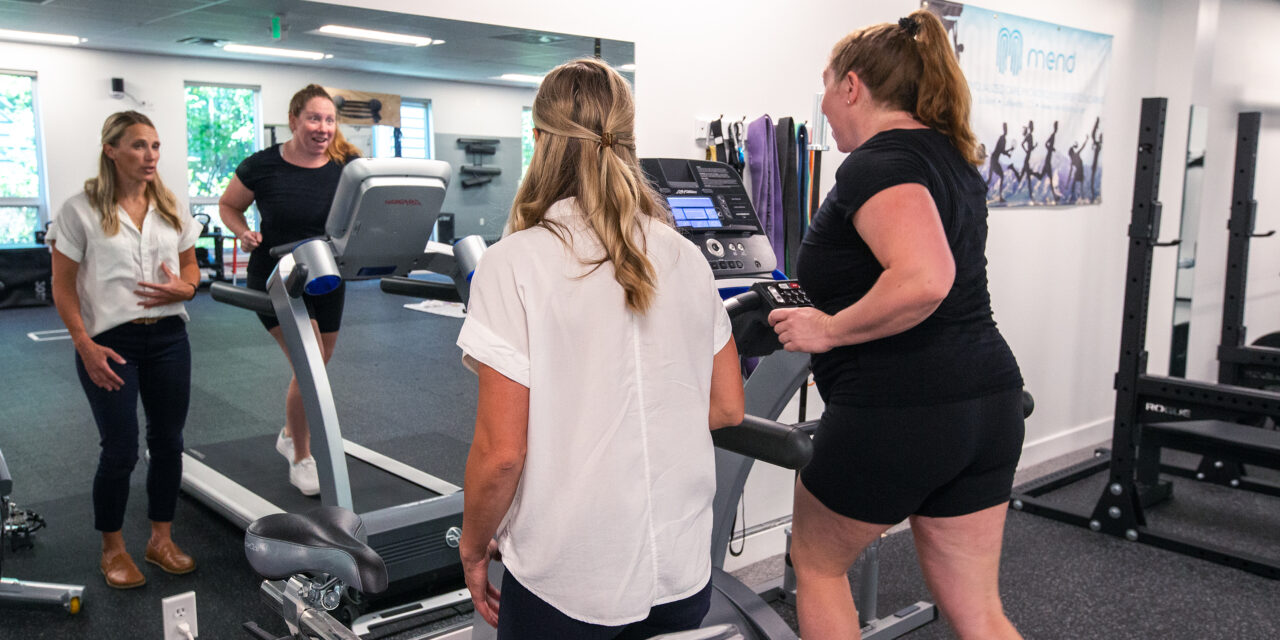
Running with Confidence: Managing Stress Urinary Incontinence (SUI) through Pelvic Floor Muscle Training

By: Chelsey Vasquez, PT, DPT, PRPC As a Boulder and Lafayette based Physical Therapist, I often work with runners who experience stress urinary incontinence (SUI)—the involuntary leakage of urine during high-impact activities like running. While this can be frustrating, the good news is that pelvic floor muscle training (PFMT) can help manage and even eliminate...

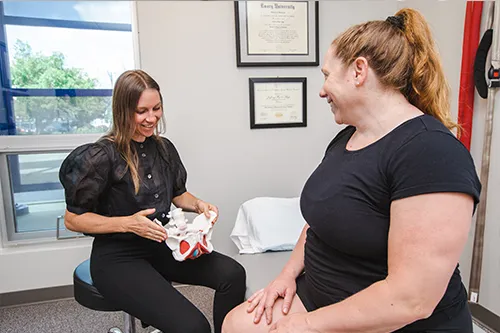
New research backs structured pelvic floor training programs for stronger pelvic floor muscles and less urine leakage during activity

By: Chelsey Vasquez, PT, DPT, PRPC As physical therapists who work closely with active women, we often hear concerns about bladder leakage during exercise — whether it’s jumping, running, lifting, or playing sports. Many athletes are surprised to learn that this is actually quite common, even in young women who have never been pregnant. A...

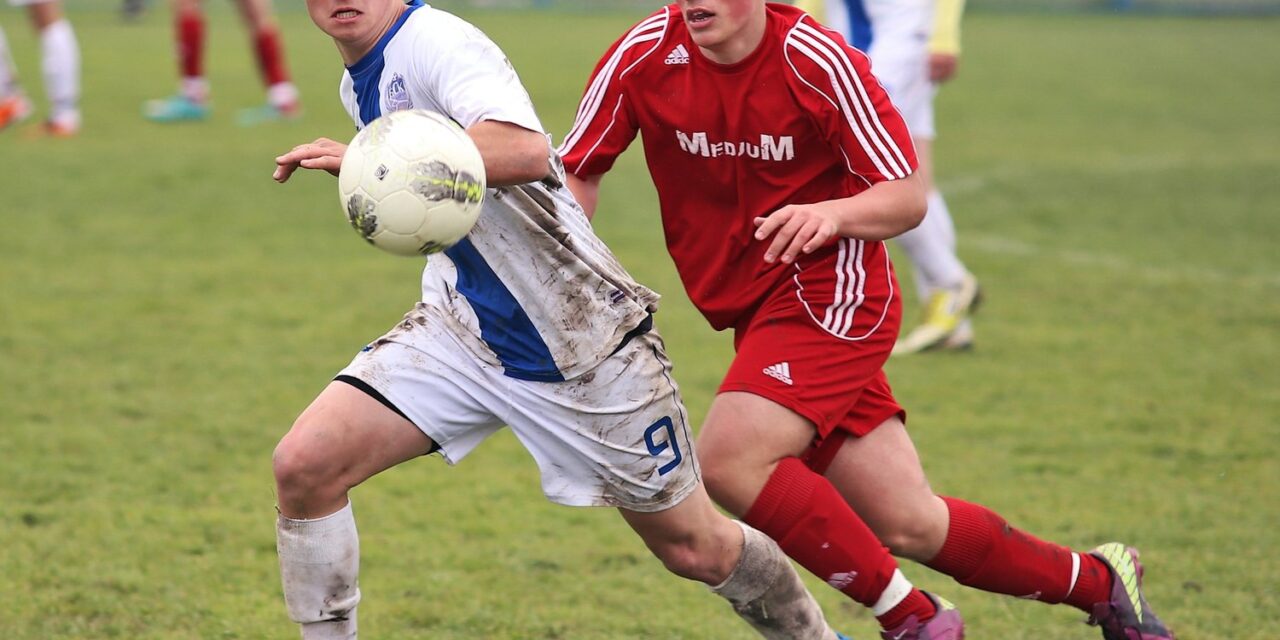
Planning Your Return To Sport After ACL Surgery

At 9 to 12 months out of ACL reconstruction surgery athletes begin to plan their return to competition.  The preceding 9 months of post operative ACL Physical Therapy has re established mobility, strength, biomechanics, power, and endurance.  The 8 and 9th months also allow a gradual return to full practice including scrimmages.  Post operative return...

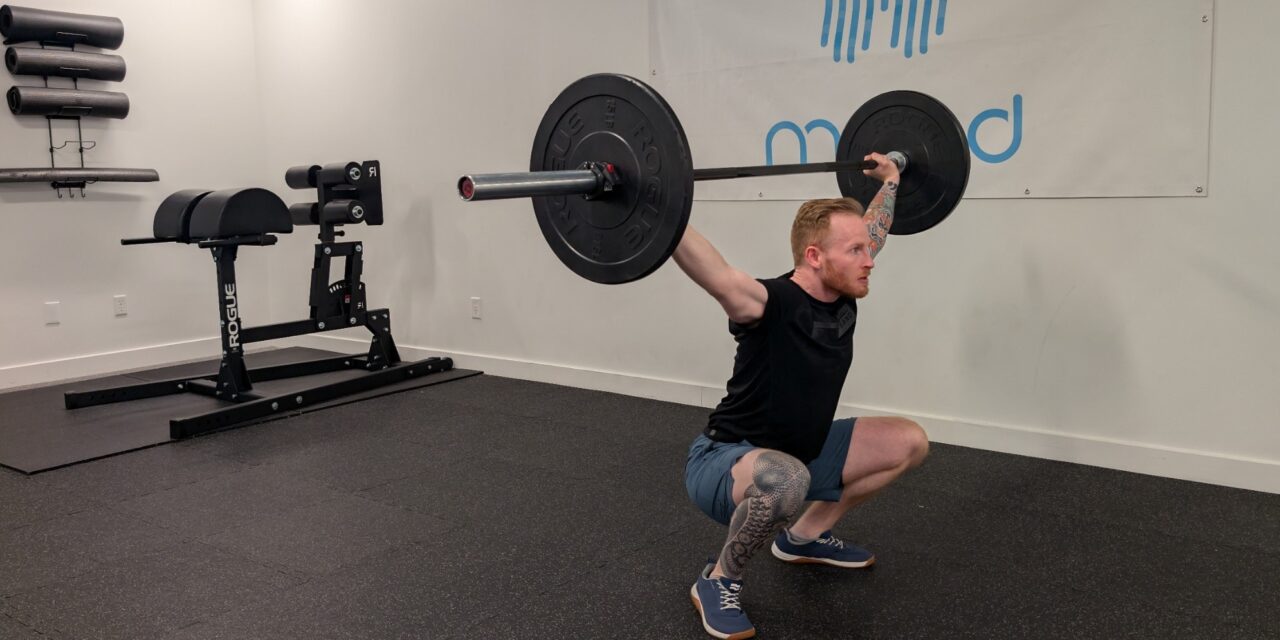
CrossFit and Olympic Weightlifting: Why Sagittal Plane Dominance Can Increase Injury Risk (And How Multiplanar Training Improves Performance)

By: Ian Nay, PT, DPT, OCS CrossFit, Olympic weightlifting, and powerlifting are highly effective for developing strength, power output, and work capacity, but from a biomechanical perspective, these three training styles are heavily biased toward the sagittal plane of motion. The sagittal plane involves forward-and-backward or vertical movement patterns, which dominate foundational lifts such as...

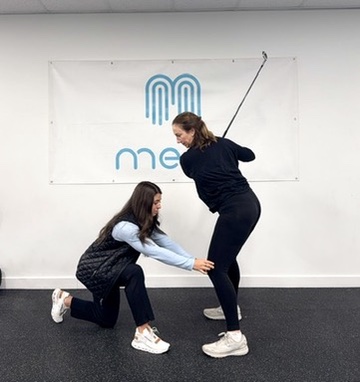
Lead Leg Internal Rotation Loss and Low Back Pain in Golfers

By: Maggie Gebhardt, PT, DPT, OCS Low back pain is one of the most common injuries in golfers, and according to physical therapists Maggie and Hope at MEND Colorado, the issue often starts far from the spine itself. In golf, proper lead leg hip internal rotation (left hip for right-handed golfers) is essential for efficient trunk rotation and...

Screening for Achilles Injury Risk in Pickleball Players: A Practical, Evidence-Based Guide

By: Erica Tran, PT, DPT, OCS Pickleball continues to grow rapidly, but so do lower extremity injuries, particularly involving the Achilles tendon. The combination of quick acceleration, deceleration, and repetitive loading places significant strain on this structure. Research in sports medicine and tendon physiology consistently shows that Achilles injuries are rarely sudden events. Instead, they...