
Blog

Lack Of Spine Mobility Increases Risk For Shoulder Injury

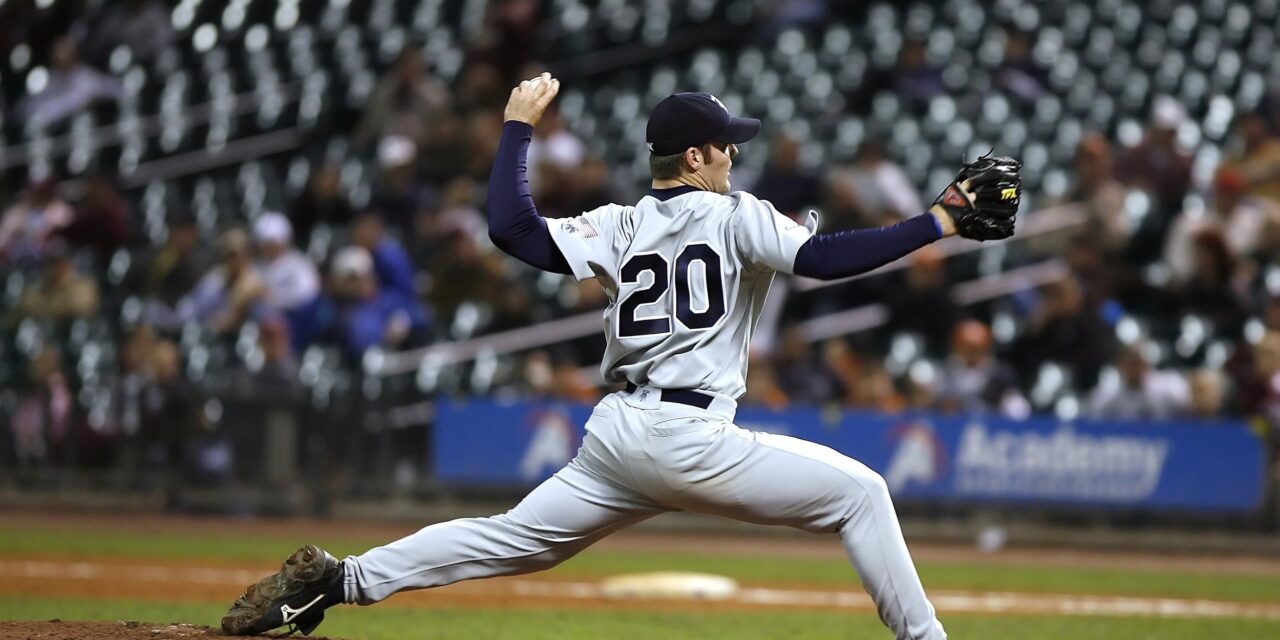
Overhead athletes rely on their thoracic spine’s mobility and stability to generate power and prevent injury. In our Boulder Physical Therapy and Lafayette Physical Therapy clinics we examine the spine’s biomechanics and influence on patients with shoulder pain. Ruiz et al. (2020) reviewed the biomechanics of the thoracic spine in overhead sports and highlighted the...


Foam Rolling is gaining in popularity due to its ability to accelerate recovery, treat sore and painful muscles, and improve flexibility.  Within the leg, ankle stiffness or reduced flexibility is commonly found in the ankle.  This loss of motion prevents the leg bones from properly moving over the foot during walking and running.  These changes in...

  Tennis elbow, also known as lateral epicondylalgia is the most common reason for elbow pain and 2nd most common overuse injury in the arm after the shoulder. Lateral elbow pain was previously described as an inflammatory condition, but we now know this condition affects the muscles’ common insertion point where the tendon meets the...

How Physical Therapy Treats Athletic Pubalgia/Sports Hernias

What is athletic pubalgia/sport hernia? This diagnosis is essentially an imbalance of the adductor muscles and abdominal muscles at the pubis. Specifically the adductor longus and the rectus abdominis are the most important muscles involved in athletic pubalgia/sport hernia as they share fascial connections in what is called the pubic aponeurosis or the abdominal/adductor aponeurosis....

Our prior posts on tendon injuries have described the structural changes that take place with chronic symptomatic tendinopathies.  The disorganization of tendon fibers and the body’s attempts to heal the injured tendon are best viewed on ultrasound or MRI imaging.  MRI is a very sensitive tool, but lacks specificity meaning a positive finding may or...

Spinal manipulation is one of the oldest forms of medical treatment dating to at least Hippocrates. Currently, three professions, including physicians, chiropractors, and Physical Therapists, practice this form of intervention. Medical evidence for this treatment is focused mainly on the treatment of musculoskeletal diagnoses including neck pain, headache, and low back pain. In general the...

Physical Therapy spinal and extremity joint mobilizations are slow passive movements applied to a patient’s joint surfaces. These interventions have been shown to decrease pain, improve range of motion, and increase the immediate force production of a targeted joint’s musculature. In our Boulder Physical Therapy practice, these joint mobilizations are performed with other manual therapy...

Spinal manipulation, dating at least to Hippocrates’ writings, is one of the oldest known medical treatments. Currently, these treatments are commonly performed by Physical Therapists, chiropractors, and physicians to treat a variety of musculoskeletal pains. Evidence supporting spinal manipulation is primarily found in three areas: headache, neck pain, and low back pain. This data supports...