Blog

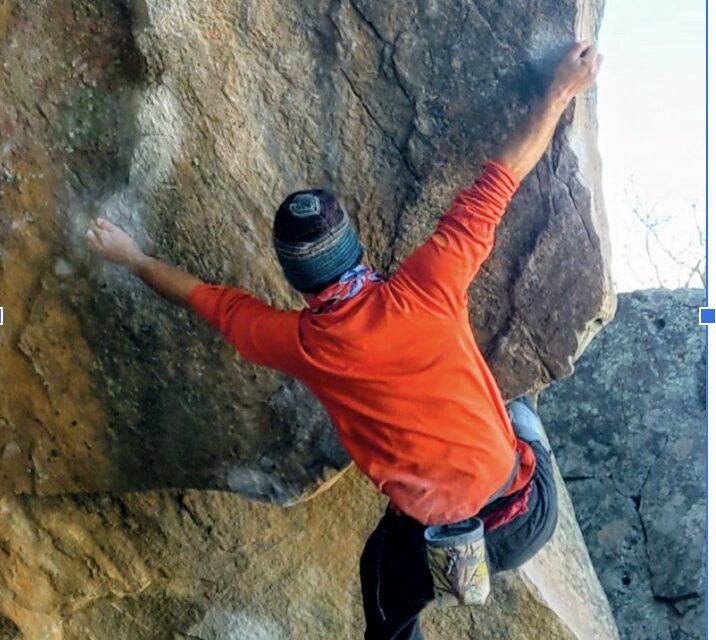
Does Injury To A Climber’s Shoulder Determine Function?

By: John Crawley, PT, DPT, OCS Does it matter if you hurt your labrum? Does it matter if you have worn out your biceps tendon? The answer might surprise you. Often people think that identifiable injury to their body means they need surgery or that they will not be able to climb as hard or...
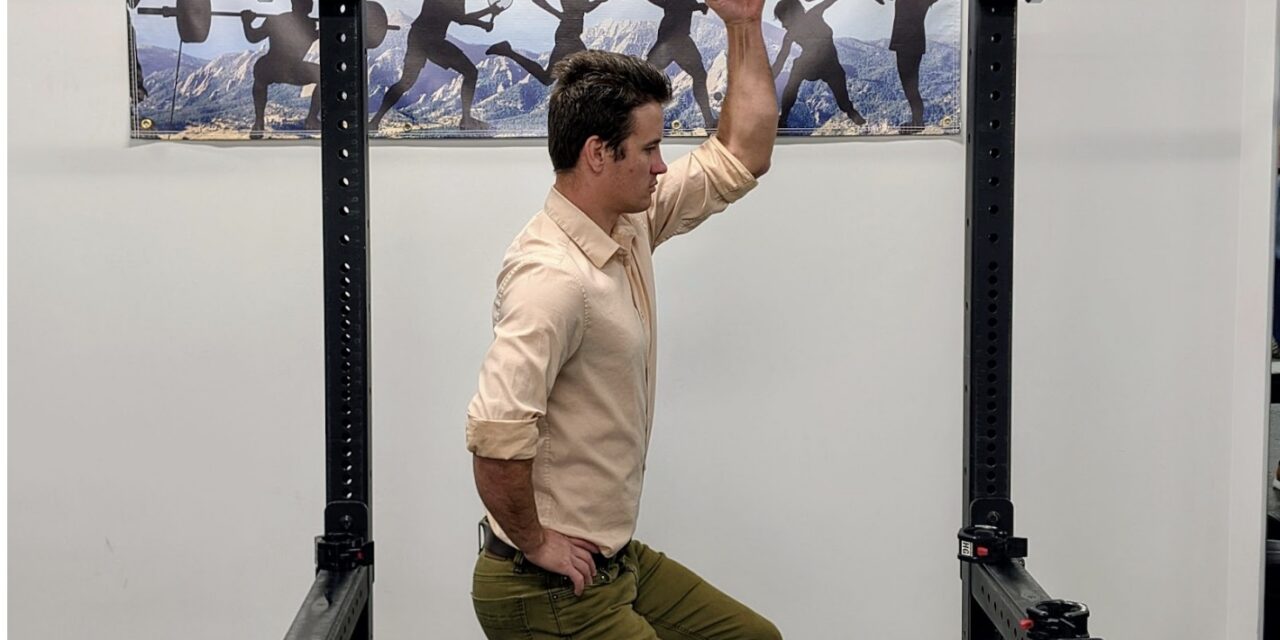
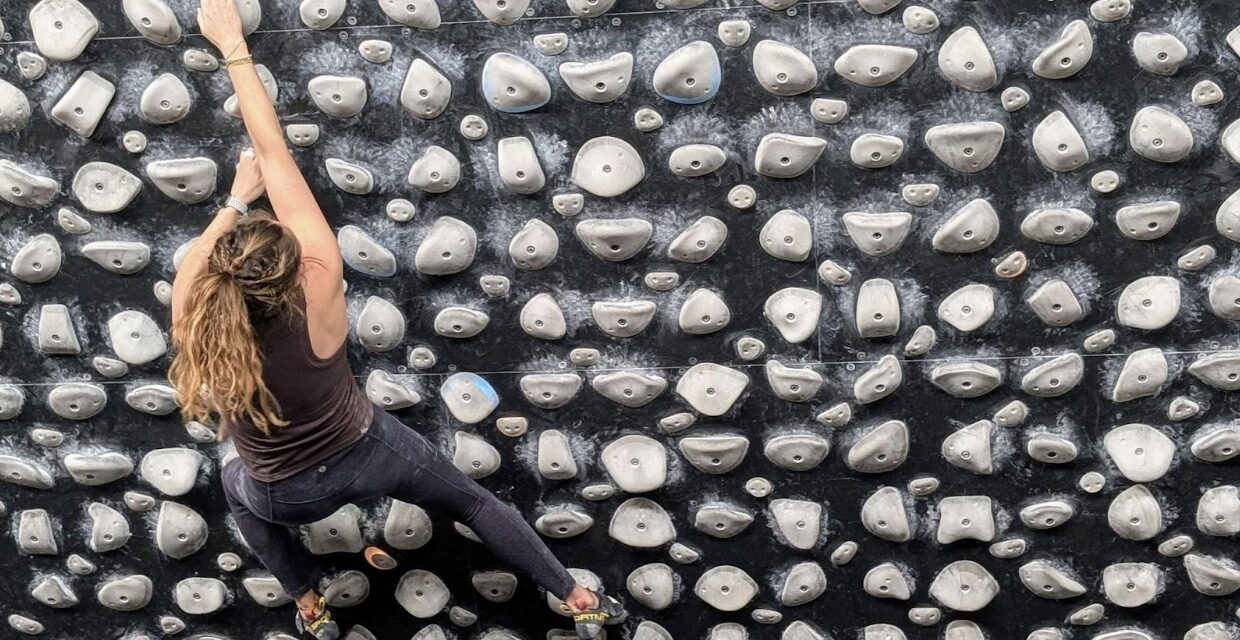
The Top 4 Exercises For Bulletproof Shoulder In Climbers

By: Rani Helvey-Byers, PT, DPT, OCS As climbers, we like to torture our shoulders by placing them in extreme positions and then asking them to generate an immense amount of force in said positions. Because of this, we can’t just train our shoulders in one plane. If we want resilient shoulders, we need to at...

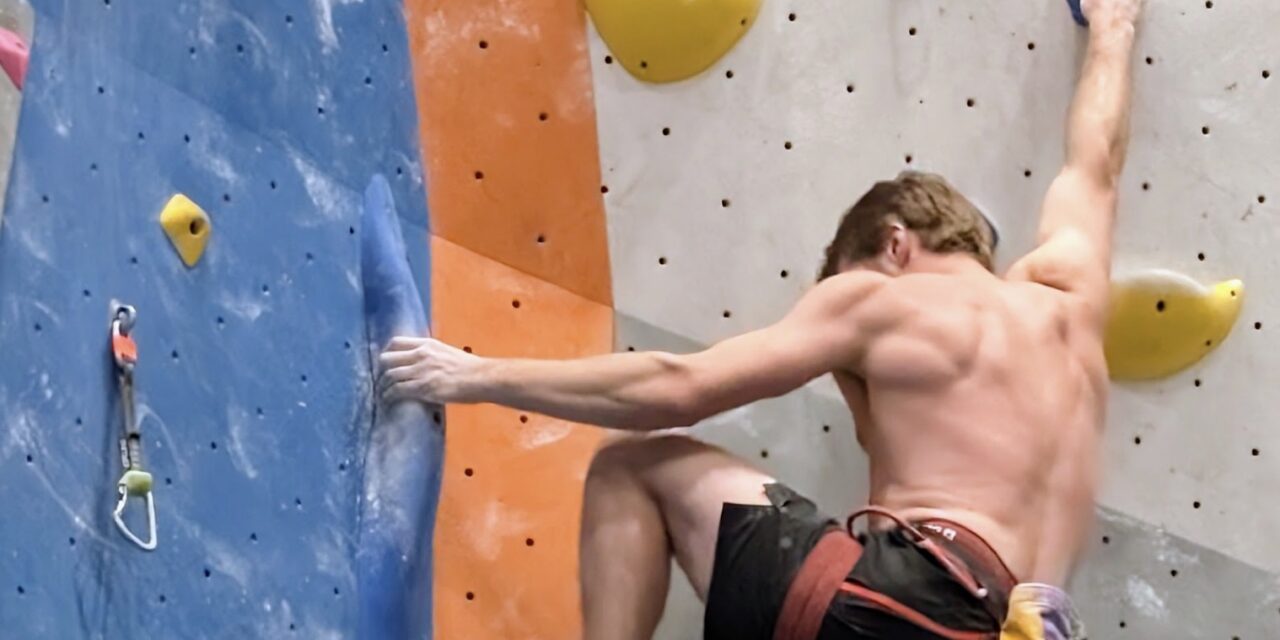
Getting Climbers Back To Their Sport After Shoulder Injury

Shoulder pain is a very common issue for rock climbers, largely because climbing places high and repetitive demands on the shoulder’s muscles, tendons, and joint structures. The most frequent causes include rotator cuff problems (such as tendinopathy, strain, or tears), subacromial impingement, and biceps tendinopathy — injuries that arise from both acute sudden movements and chronic...

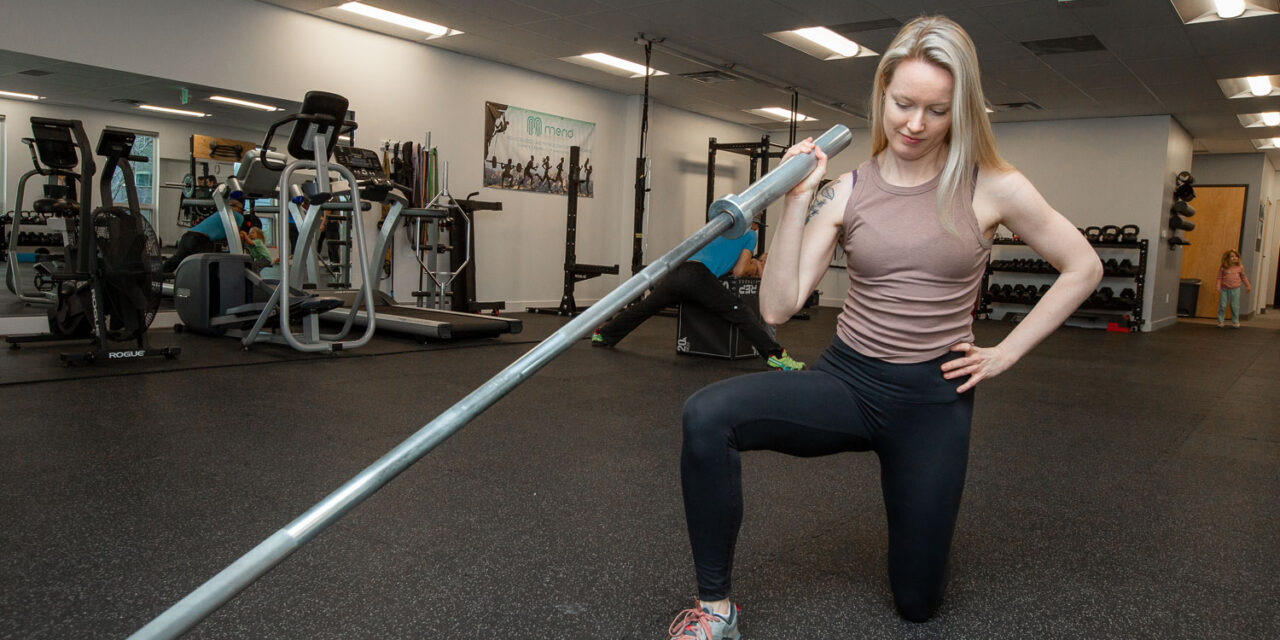
Treating Low Back Pain In Athletes

Low back pain is a frequent challenge for athletes who place high demands on their bodies, especially gymnasts, CrossFit athletes, golfers, climbers, and those involved in team sports. These athletes often combine heavy loading, explosive power, rotation, and end-range positions — all of which require the spine to transfer force efficiently. When mobility, strength, or...

Recovering from Acute Shoulder Instability

By: John Crawley, PT, DPT, OCS A good functioning shoulder is essential to a climber’s performance. When the shoulder is healthy, reaching for holds and holding strenuous positions feels secure. Whether you’re yarding on a deep lock-off at the gym, pressing out a corner in Eldo, or snatching holds during big deadpoints while in Rocky...

Plyometrics For Late Stage Rehabilitation In Rock Climbers

By: John Crawley, PT, DPT, OCS Plyometrics are a type of exercise that involve explosive, high-intensity movements and are often used in sports training and rehabilitation programs for many types of overhead athletes, but not often enough for rock climbers. They can be an effective way to improve muscle power, speed, and coordination, and can...

Climbing Injury Rate Differences Between Genders

By: John Crawley, PT, DPT, OCS The sport of rock climbing continues to grow and expand in popularity and participation. With more climbers comes more injuries. For coaches, trainers, and healthcare professionals identifying the injury profile and mechanisms for injury has become an important topic. Knowing what causes injury and who gets the injuries can...

The shoulder is an integral component of a climber’s ability to scale walls efficiently and effectively. It allows for an incredible range of motion that makes spanning large distances and cramming yourself into cracks possible. However, the same mobility that makes it so valuable also makes it susceptible to injury. Shoulder issues account for 17%...